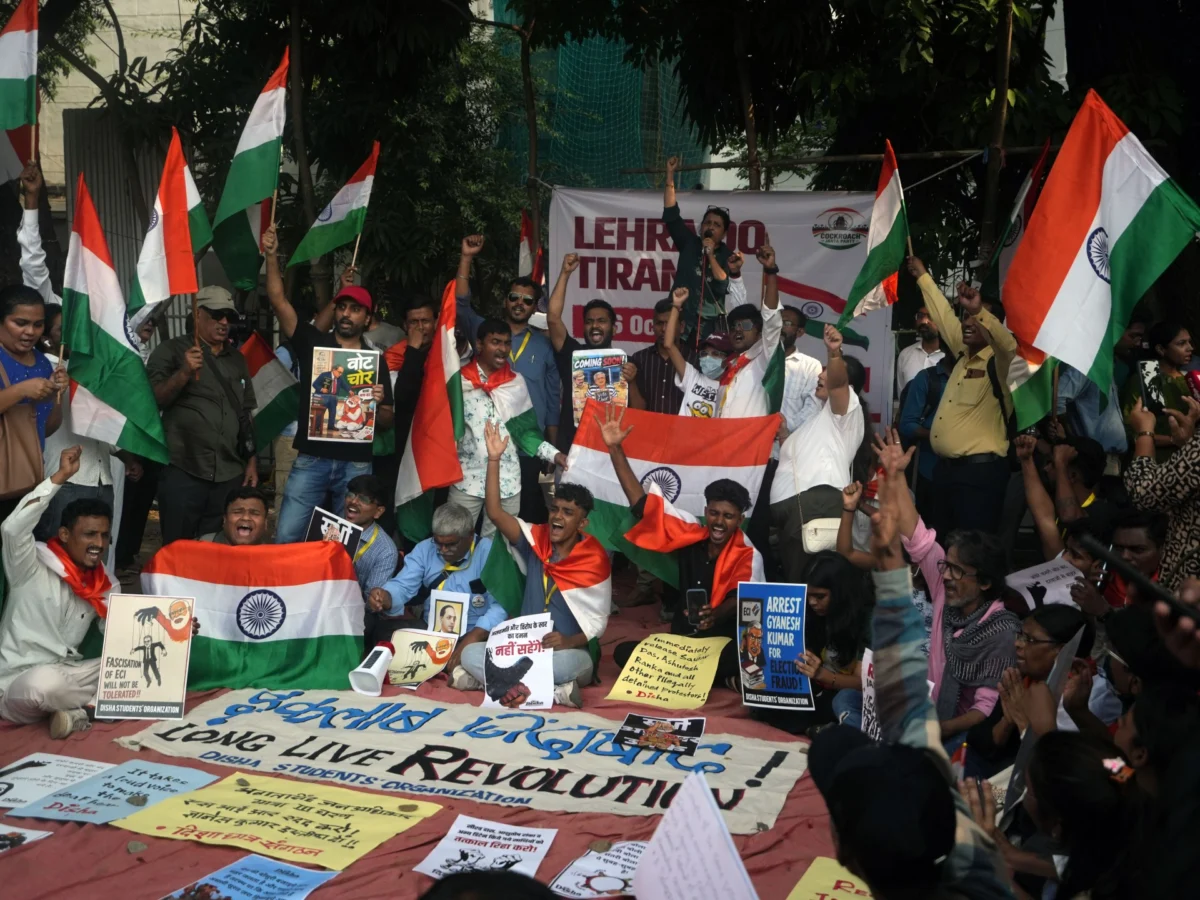
India’s voter protests highlight a divide in opposition unity: while parties rally against voter exclusion, they have not directly taken up the discrimination concerns that Muslim communities warned about in 2019. The selective solidarity reflects ongoing tensions within India’s democratic opposition.
The protests center on fears of voter suppression and exclusion, yet the broader question of communal discrimination remains largely unaddressed by the opposition bloc. Analysts say this split reveals both political strategy and unresolved challenges around minority rights.
Key Facts
- The opposition is protesting voter exclusion.
- Muslim groups raised discrimination concerns in 2019.
- The opposition has not confronted those 2019 warnings.
How Did We Get Here?
The roots of the current voter protests trace back to longstanding concerns over electoral access and eligibility. Muslim voices, as reported in 2019, warned of systemic discrimination affecting voter registration and participation. Since then, opposition parties have organized demonstrations focused on voter exclusion. However, these efforts stop short of explicitly incorporating or validating the communal discrimination concerns first articulated years earlier. This pattern of selective engagement raises questions about the coherence and inclusivity of the opposition’s stance.
The protests reflect broader tensions in India’s democracy. Electoral integrity is a priority, but so too is recognition of how marginalized communities experience exclusion. The omission of earlier Muslim concerns from mainstream opposition messaging suggests either political calculation or continued difficulty bridging communal divides in Indian politics. Observers note that without directly addressing past warnings, the current movement may struggle to build the widest possible coalition.
Who Is Affected?
Muslim communities remain central to this story. Their 2019 warnings about discrimination reportedly went unaddressed by opposition leaders during the wave of voter protests. Other religious minorities and marginalized voters concerned with electoral fairness also find themselves at the intersection of this selective solidarity. Civil society groups tracking both voting rights and communal equality watch closely, aware that incomplete advocacy may limit democratic reach.
Broader opposition supporters, too, are affected. Many hoped unified resistance would emerge around inclusive democratic principles. Instead, the focus has remained largely on procedural voter access rather than the deeper social equity questions raised years earlier. This has left some activists and citizens disappointed, suggesting that the current momentum may lack the moral authority needed to confront entrenched discrimination.
What We Know — and What We Don’t
Verified by the source:
- The opposition is fighting voter exclusion.
- Muslim communities warned about discrimination in 2019.
- The opposition has not confronted those 2019 warnings.
Still unconfirmed:
- Specific details of the 2019 warnings.
- Exact nature of the current voter exclusion claims.
- Whether opposition leaders intentionally avoided the issue.
- Concrete responses from government officials.
Why It Matters
This selective solidarity matters because it speaks to how India’s democracy addresses both procedural fairness and substantive equality. Voter protests protect electoral access, but lasting democracy also requires confronting communal discrimination openly. A divided opposition may weaken overall democratic resistance and leave minority voices unrepresented. This dynamic affects not only election outcomes but also public trust in democratic institutions across India.
What To Watch
Future opposition statements and demonstrations will signal whether they expand their focus beyond voter exclusion. Any direct engagement with the 2019 Muslim warnings could reshape the tone and scope of the ongoing protests.