Lede
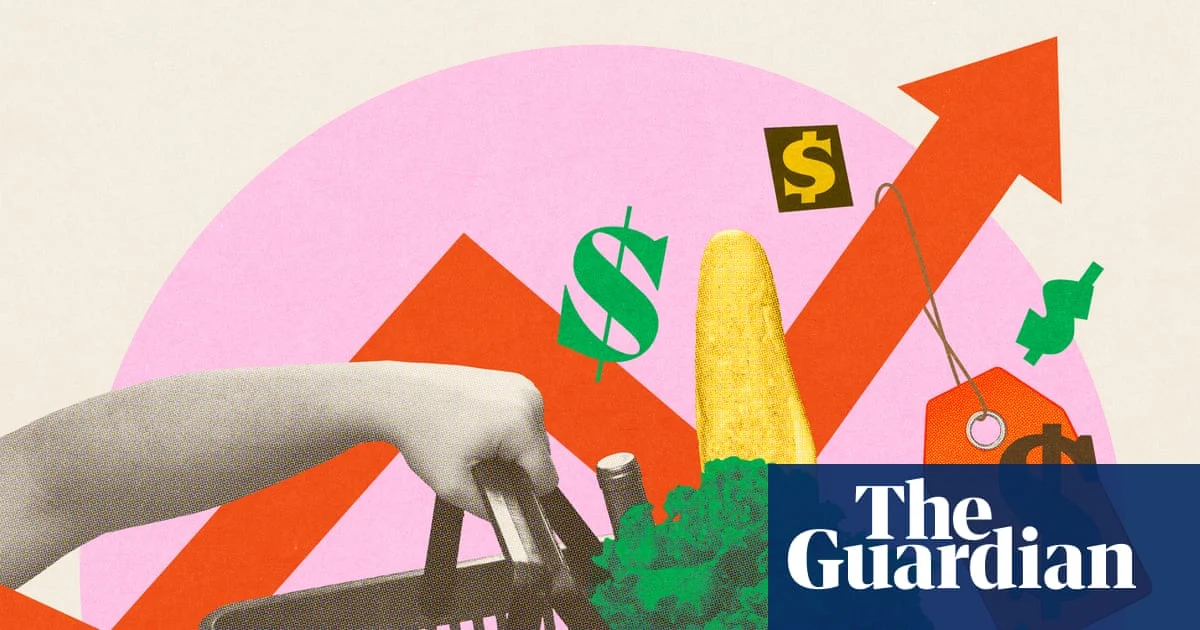
Rising food prices are forcing US shoppers to spend more while receiving fewer items, according to Guardian readers discussing their grocery budgets.
While campaigning for re-election in 2024, Donald Trump stood in front of a table full of groceries and told voters he would bring down the price of groceries starting on day one of his second term. Over two years later, US consumers have yet to enjoy lower prices.
Key Facts
- US shoppers report paying more for fewer items due to rising prices.
- Trump pledged during re-election campaigning to reduce grocery costs if re-elected.
- More than half of Americans say they struggle to afford groceries.
- Supply chain issues, tariffs, wars, and climate crisis are contributing factors.
- Snap benefits cuts have worsened affordability for some households.
The Story
How did we get here?
The cost of groceries has become a growing burden for many households across the United States. According to Business | The Guardian, readers shared that they are paying significantly higher amounts for smaller quantities of food.
Multiple economic and geopolitical factors have contributed to rising food prices. These include ongoing supply chain disruptions, shifting tariff policies, international conflicts such as wars in Ukraine and Iran, as well as the broader impact of climate change on agricultural production and distribution.
Additionally, reductions in government assistance programs like SNAP benefits have further strained household budgets, especially for low-income families who rely heavily on these resources for basic nutrition.
Who is affected?
A majority of Americans now report difficulty in affording groceries. The Guardian notes that over half of respondents indicated they were struggling to manage their food expenses amid increasing costs.
This trend affects individuals and families across income levels, though those with limited financial flexibility feel the impact most acutely. Reduced purchasing power means cutting back on variety or quality of food purchases, which can affect dietary health and long-term wellness.
For recipients of federal aid such as SNAP, recent benefit cuts have made meal planning even more challenging. Many are left choosing between essentials like rent, utilities, and food—a dilemma that underscores systemic vulnerabilities in social safety nets during periods of inflation and economic stress.
What We Know — and What We Don’t
Verified by the source:
- Rising food prices force shoppers to pay more for fewer items.
- Trump promised lower grocery prices during his 2024 campaign.
- More than half of Americans report difficulty affording groceries.
- Snap benefit cuts and climate-related events influence affordability.
Still unconfirmed:
- Exact figures on average monthly grocery spending increases.
- Detailed demographic breakdowns of affected populations.
- Specific policy proposals from political candidates beyond Trump’s pledge.
Why It Matters
The rising cost of food directly impacts daily life for millions of Americans, influencing decisions around nutrition, savings, and discretionary spending. As essential as food is, persistent inflation makes it harder for households to maintain stable budgets, particularly when combined with reduced public assistance.
What To Watch
It remains unclear whether upcoming legislative sessions or executive actions will address grocery price stabilization. Further reporting may clarify shifts in consumer behavior or new policy responses aimed at easing food insecurity.
Rising food prices push US shoppers to spend more for fewer groceries, with over half struggling to afford meals as supply chains, tariffs, and climate impacts weigh on budgets.