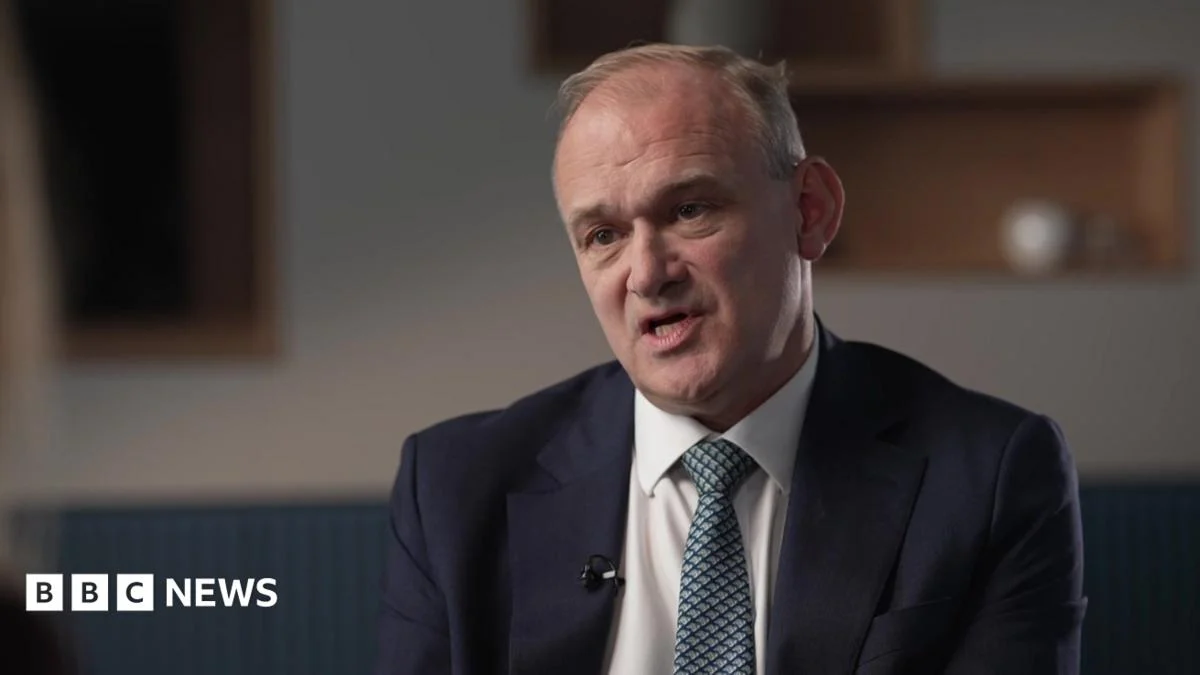
Liberal Democrat leader Sir Ed Davey has called for an immediate 10p cut to fuel duty, citing rising fuel prices and economic damage linked to global tensions. The fuel duty cut proposal comes as UK motorists face increasing costs at the pump, with Davey attributing part of the pressure to geopolitical instability.
Key Facts
- Sir Ed Davey called for an immediate 10p cut to fuel duty.
- He blamed Donald Trump’s war with Iran for damaging the UK economy.
- The conflict was cited as a factor pushing fuel prices up in the UK.
What Happens Next?
Following the call for a fuel duty cut, attention will turn to whether the UK government responds with fiscal adjustments or policy changes. Davey’s proposal places pressure on policymakers to address the rising cost of living, particularly for drivers who are feeling the strain of elevated fuel prices. The fuel duty cut idea may gain traction if public and political momentum builds around economic relief measures. However, any official action would likely require broader legislative support and budgetary considerations. The interplay between global events and domestic fuel duty policy remains a sensitive area, especially as inflation and energy costs continue to impact households across the country. Analysts note that fuel duty cuts can offer short-term relief but may not address deeper structural economic challenges. Still, the proposal underscores ongoing debates about how best to shield consumers from external economic shocks.
Who Is Affected?
Fuel duty directly impacts millions of UK drivers, especially those in rural areas or lower-income brackets who rely heavily on cars for daily travel. A 10p cut would reduce the tax component of fuel prices, potentially offering modest relief at the pump. However, the broader economic effects cited by Davey suggest that external factors—such as international conflicts—are amplifying domestic cost pressures. The proposed fuel duty cut intersects with larger conversations about energy policy, transportation, and economic resilience. While the immediate benefit would be seen at petrol stations, the long-term implications touch on government revenue, environmental goals, and energy security. As fuel remains a critical input for many industries, shifts in duty policy can ripple through supply chains and consumer spending patterns.
What We Know — and What We Don’t
Verified by the source:
- Sir Ed Davey called for an immediate 10p cut to fuel duty.
- He blamed Donald Trump’s war with Iran for damaging the UK economy.
- The conflict was cited as pushing fuel prices up in the UK.
Still unconfirmed:
- No official government response has been provided.
- The exact mechanism or timeline for implementing the cut is not detailed.
- Data supporting the claimed economic impact of US-Iran tensions is absent.
Why It Matters
A fuel duty cut speaks to broader concerns about economic stability and cost of living. While the proposal responds to immediate pressures, it also reflects growing scrutiny of how global conflicts influence domestic economic conditions. For many voters, especially those outside urban centers, fuel costs are a daily reality. Any shift in policy could signal how the government intends to respond to external shocks while balancing fiscal responsibility.
What To Watch
Government officials have yet to comment on the fuel duty cut proposal, and no parliamentary debate has been scheduled. Whether this call gains traction will depend on evolving economic indicators and political dynamics.