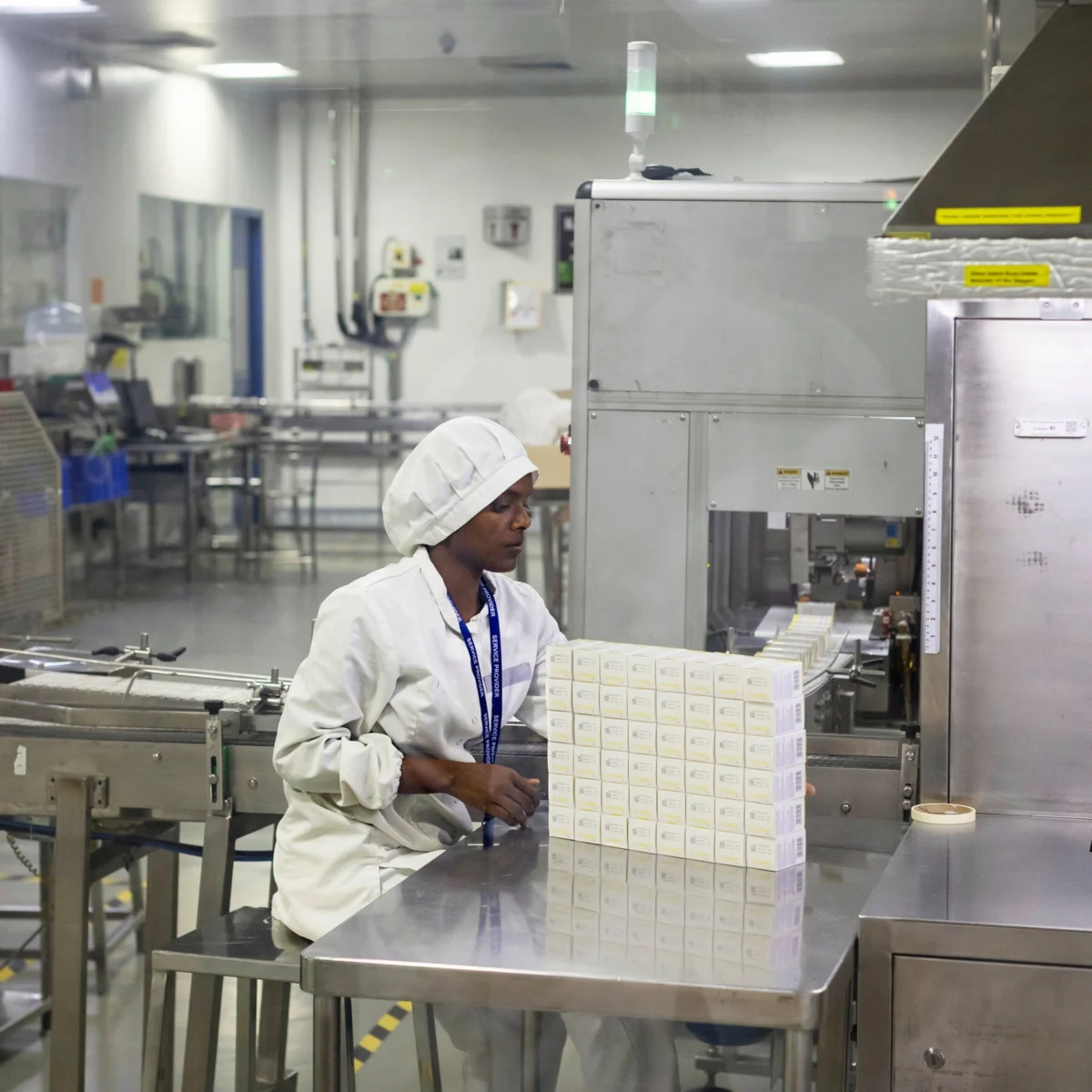
Generic drug manufacturing is central to US efforts to reduce reliance on foreign suppliers, but obstacles remain in reshoring production. India, a major generic drug exporter, exemplifies structural barriers such as low labor costs and complex global supply chains.
President Trump’s plan to bring generic drug manufacturing back to the US runs into practical difficulties, as highlighted by India’s dominant position in the global market. Cost advantages tied to cheap labor and deeply integrated supply chains make domestic production harder to justify financially.
Key Facts
– US President Trump aims to boost generic drug manufacturing at home.
– India demonstrates why domestic generic drug manufacturing is difficult.
– Cheap labor and global supply chains hinder US generic drug manufacturing plans.
The Challenges of Reshoring Generic Drug Manufacturing
Global supply networks are deeply entrenched, making abrupt shifts costly and logistically complex. Relocating production requires rebuilding supplier ecosystems that took decades to develop abroad, particularly in countries like India where generic drug manufacturing is mature.
In India, generic drug manufacturing benefits from established infrastructure, skilled workforce, and economies of scale built over years. Labor costs remain significantly lower, reducing overall production expenses compared to the US.
What Happens Next?
Future policy decisions will determine whether new incentives or tariffs can offset the economic disadvantages faced by domestic generic drug manufacturers. Analysts suggest that regulatory changes alone may not bridge the gap without addressing underlying cost disparities.
Still unconfirmed:
– Specific tariff levels affecting Indian generic drug exports
– Timeline for implementing domestic production incentives
– Exact financial support allocated to US manufacturers
What We Know
– US administration wants to increase generic drug manufacturing locally
– India serves as a case study highlighting key barriers
– Cost competitiveness and logistics are cited as primary hurdles
Why It Matters
A shift in generic drug manufacturing could reshape global trade flows and impact consumer access to affordable medications worldwide. The outcome affects both public health and industrial policy.
What To Watch
Stakeholders await further announcements regarding trade negotiations and funding mechanisms that could alter the trajectory of generic drug manufacturing relocation.