Weight loss drugs are creating new operational challenges for restaurants as fewer customers order full portions or alcoholic drinks. The trend is squeezing restaurant revenues and increasing costs, affecting businesses of all sizes.
The rise in usage of these medications means diners are consuming smaller amounts when eating out, prompting establishments to rethink pricing, portion sizes, and menu design to maintain profitability.
KEY FACTS
- Fewer orders are being placed as diners on weight loss drugs eat less.
- Higher costs are pressuring restaurants due to shifting consumer behavior.
- Both large chains and small restaurants are experiencing this effect.
- People taking weight loss drugs are dining out differently.
- Drink orders are also declining along with food consumption.
The Shift in Dining Habits
As more people adopt weight loss drugs, their eating patterns change significantly. These individuals tend to consume less food and fewer beverages during meals, reducing the frequency and volume of restaurant visits. This behavioral shift impacts how restaurants plan inventory, staff, and serve customers.
Restaurants must now account for lower per-customer spending, which can strain fixed costs like labor and rent. Smaller portion sizes and reduced drink sales mean average ticket values drop, forcing businesses to find ways to offset lost revenue without deterring guests.
Adapting Menu Strategies
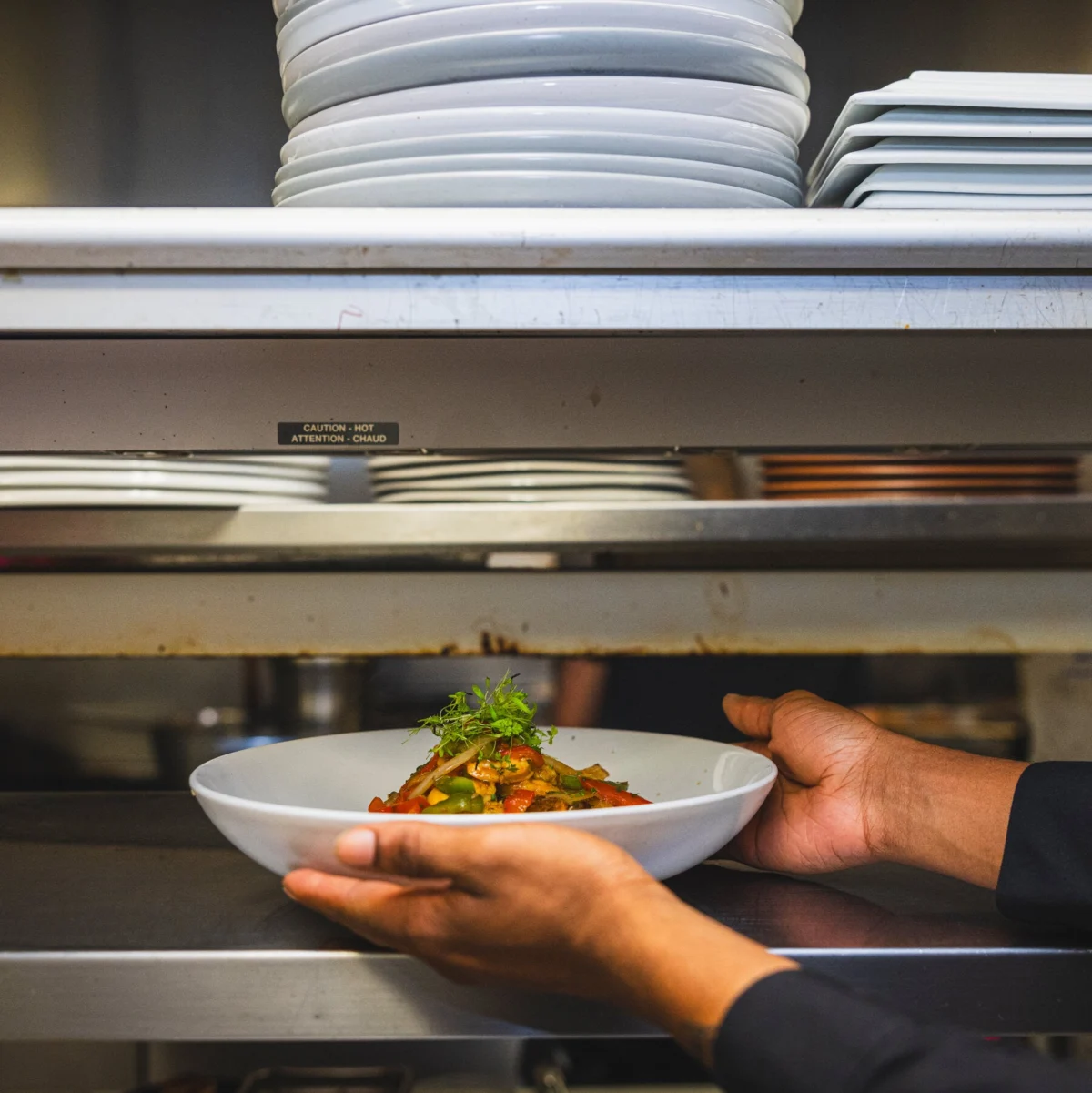
To counter declining order sizes, many restaurants are adjusting menus to emphasize lighter fare or offering flexible portion options. Some are introducing smaller plates or snack-style items to align with changing appetites.
Such adaptations aim to retain customers who still want to dine out while respecting their altered consumption habits. However, redesigning menus and training staff for new service models adds additional expenses for operators already facing margin pressure.
Why It Matters
The influence of weight loss drugs on dining behavior represents a broader economic shift driven by health-aware consumers. As personal wellness choices reshape market demand, restaurants must evolve quickly to stay viable in an increasingly competitive landscape.
What To Watch
Future reporting will reveal whether restaurants expand dietary accommodations further or introduce specialty menus tailored specifically for those using weight loss medications.