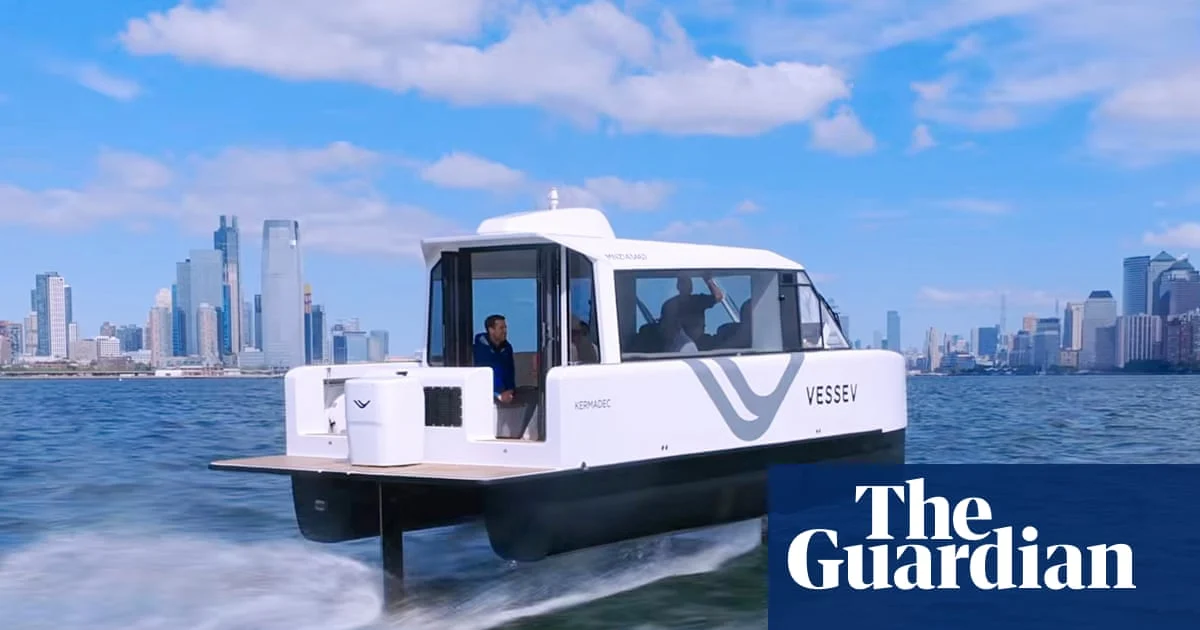
A new wave of electric ferries is arriving in the US, with some designs capable of lifting above the water. Replacing diesel-powered ferries with electric vessels could reduce emissions and improve air quality.
Cutting through New York Harbor in the shadow of the Statue of Liberty, the small white boat drew attention from passengers aboard a nearby sightseeing ferry. It remains a curiosity at the moment, according to Eric Laakmann, chief executive and co-founder of Vessev.
Key Facts
- A new wave of electric ferries is arriving in the US.
- Some designs can lift above the water, effectively flying.
- Replacing diesel ferries could reduce emissions and improve air quality.
- Climate Central is an independent group researching climate impacts.
- Vessev CEO Eric Laakmann says the vessels are currently a curiosity.
The Story
What happens next?
Electric ferries are moving from experimental projects to regular service. The US is expanding deployment, particularly in urban waterways where diesel ferries contribute to local pollution. Operators and city agencies are evaluating routes for conversion, though schedules and scale remain unclear from the report.
The environmental case is straightforward: ferries burning diesel emit particulates and nitrogen oxides that degrade air quality in port cities. Electric and hybrid-electric ferries promise quieter operation and zero direct emissions when running on clean electricity.
Economy and markets observers note that public transit electrification often follows similar pathways to buses and trains, with federal and state incentives helping offset higher upfront costs. However, the Guardian report does not specify funding levels, timelines, or which routes will transition first.
Who is affected?
Passengers, commuters, and tourists using urban ferry services stand to benefit from cleaner air and quieter decks. Port communities near busy ferry terminals also face reduced exposure to diesel exhaust if conversions proceed.
Shipbuilders and marine technology firms gain new market opportunities. The flying ferry concept, pursued by companies like Vessev, adds aerospace-derived engineering to maritime workhorses, potentially attracting private investment alongside public funding.
Workers in traditional ferry maintenance may need retraining as fleets electrify. The shift mirrors broader transitions in trucking and public transit, where new propulsion systems require updated skills and infrastructure.
How did we get here?
Ferries have long served coastal cities, but most US vessels still run on diesel. Rising pressure to cut transportation emissions has pushed agencies to explore alternatives, especially on short routes where battery-electric drivetrains are practical.
Advocates point to successful electric ferry deployments elsewhere, though the Guardian piece does not name specific projects or comparisons. Independent researchers at groups like Climate Central track how such changes affect emissions and public health.
Manufacturers are experimenting with foiling hulls and hydrofoil assistance to cut energy use. These innovations suggest the next generation of ferries may look less like traditional boats and more like craft that ride above the waves.
What We Know — and What We Don’t
Verified by the source:
- Electric ferries are being introduced in the US.
- Some designs can lift above the water.
- Diesel replacement could reduce emissions and improve air quality.
- Eric Laakmann is CEO and co-founder of Vessev.
- Climate Central researches climate effects on people.
Still unconfirmed:
- No specific launch dates, routes, or deployment scale.
- No pricing, fleet sizes, or funding figures provided.
- No independent confirmation of performance claims.
- No timeline for wider adoption or regulatory approvals.
Why It Matters
Ferries serve millions of urban commuters and tourists annually, and their emissions disproportionately affect port-side neighborhoods. Transitioning to electric ferries aligns with broader climate goals and offers a practical model for cleaning up short-distance maritime transport, following trends already seen in buses and rail.
What To Watch
Watch for route-specific announcements and pilot program launches, which would clarify how quickly electric ferries become mainstream rather than curiosities.