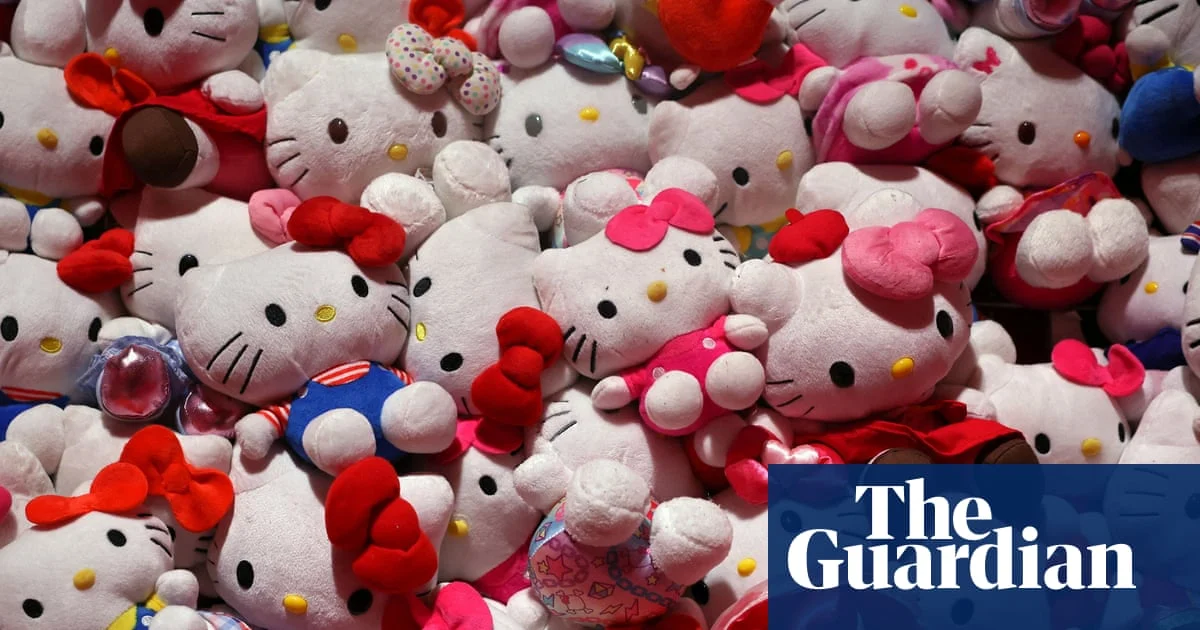
LEDE
Sanrio, the Japanese company behind the globally recognized Hello Kitty franchise, has cut ties with the TV drama VIVANT following widespread criticism from Chinese state media and online users who accused the show of deliberately smearing China.
The company issued an apology and announced the decision to terminate its commercial collaboration, stating that the content conflicted with its core values. This move highlights growing sensitivities around how national portrayals intersect with international brand partnerships.
KEY FACTS
- Business | The Guardian
- Sanrio ended its commercial association with the Japanese TV drama VIVANT.
- The show was criticized for portraying Chinese agents as ruthless in a manner described as a deliberate smear.
- Sanrio apologized and stated the drama contained elements inconsistent with its core values.
- The backlash came from Chinese state media and internet users.
THE STORY
Why Did Sanrio Cut Ties With VIVANT?
The termination of Sanrio’s partnership marks a significant response to public pressure stemming from cultural representation concerns. VIVANT, a Japanese television drama, reportedly depicted Chinese agents in a negative light, prompting accusations of bias. Chinese state media labeled these portrayals as “deliberate smears,” escalating public sentiment.
Sanrio, known for leveraging its beloved character Hello Kitty in global branding efforts, sought to distance itself from the controversy. By issuing an apology via Weibo—a major social platform in China—the company aimed to address grievances directly where much of the criticism originated. The statement emphasized alignment with corporate values and respect for audiences across regions.
Who Is Affected by This Decision?
Beyond Sanrio and the creators of VIVANT, this incident impacts broader dynamics between entertainment industries and multinational brands. Companies relying on cross-cultural collaborations face increased scrutiny over content choices that may resonate differently across borders. Consumers in China, particularly those engaged online, have demonstrated influence through coordinated responses on digital platforms.
For Japanese producers, navigating depictions of foreign entities responsibly becomes more complex. Meanwhile, Sanrio’s global fanbase watches closely; any perception of yielding to external pressures could invite mixed reactions internationally—even as maintaining access to key markets remains vital for business strategy.
What Happens Next After the Partnership Ends?
Currently unclear is whether Sanrio will pursue alternative collaborations or adjust future licensing agreements tied to similar productions. No further official statements beyond initial apologies and confirmations appear publicly available at this time.
Additionally, it remains uncertain how VIVANT’s distributors might respond—whether adjustments to original broadcasts or promotional materials will occur moving forward. Likewise, potential repercussions within Japan’s media landscape regarding editorial independence versus market considerations await observation.
WHAT WE KNOW — AND WHAT WE DON’T
Verified by the source:
- Sanrio officially ended its association with VIVANT.
- Criticism arose from Chinese state media and internet users.
- Sanrio apologized publicly on Weibo.
- The show was accused of portraying Chinese agents negatively.
- Sanrio cited misalignment with its core values as reason for withdrawal.
Still unconfirmed:
- Exact timeline of events leading up to the decision.
- Specific scenes or moments in VIVANT deemed objectionable.
- Whether Sanrio plans new partnerships replacing current ones.
- If additional penalties or sanctions were imposed by authorities.
WHY IT MATTERS
This controversy underscores the delicate balance global companies must maintain when engaging with culturally sensitive narratives. With rising nationalism influencing consumer behavior worldwide—including boycott calls—and social media amplifying localized grievances rapidly, missteps can quickly escalate into reputational risks.
As economies become increasingly intertwined yet politically polarized, businesses operating internationally need clearer strategies addressing diverse perspectives without compromising universal appeal or operational integrity.
WHAT TO WATCH
Moving forward, observers should monitor if other partners disengage from VIVANT and whether Sanrio issues updated policies guiding future media tie-ins involving geopolitical themes. Official responses from either party would clarify long-term implications for cross-border creative ventures.