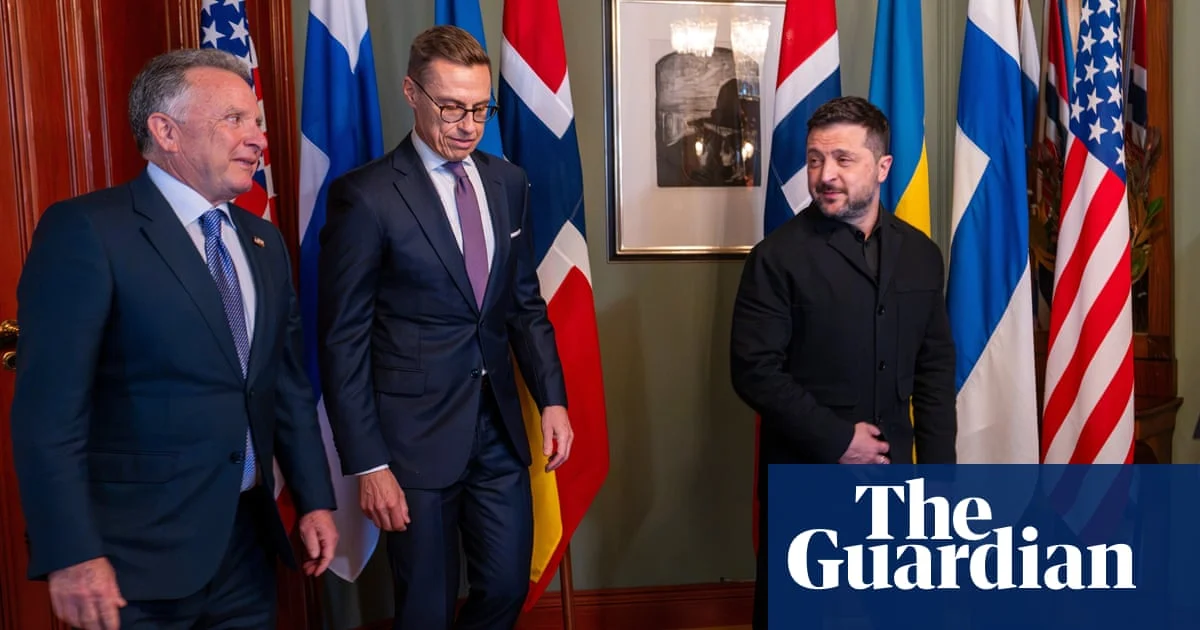
LEDE
US intelligence sharing with Ukraine about Russian missile strikes has resumed, Ukrainian President Volodymyr Zelenskyy said after meeting US envoy Steve Witkoff in Norway, restoring advance warnings that were briefly suspended last week.
Zelenskyy told reporters the renewed flow of information was helping Ukraine defend against ballistic missile attacks, adding that “now it works” would save lives. The development follows days of uncertainty over US support levels after a short pause in cooperation.
KEY FACTS
- US has resumed sharing intelligence with Ukraine about Russian strikes, Zelenskyy said.
- Advance warnings of missile attacks were suspended last week by the White House.
- Ukraine is again receiving warnings of ballistic missile attacks.
- Zelenskyy met US envoy Steve Witkoff in Norway before making the announcement.
- Zelenskyy said the restored intelligence helps save lives.
THE STORY
How did we get here?
US intelligence cooperation with Ukraine became a flashpoint after Washington briefly suspended advance warnings of Russian strikes, prompting Kyiv to signal that defensive planning was being disrupted. The pause was reported last week, though neither side disclosed detailed reasons for the temporary suspension. Zelenskyy’s statement that “now it works” suggests the issue has been resolved for now, at least at the operational level.
What happens next?
Zelenskyy’s comments in Norway follow a meeting with US special envoy Steve Witkoff, who has been involved in diplomatic efforts around the war. Whether intelligence sharing remains stable depends on broader political decisions in Washington, not just operational coordination. For now, Kyiv appears to have regained at least some of the real-time warnings needed to counter Russian missile campaigns.
Who is affected?
Civilians in areas targeted by Russian ballistic missiles are the most direct beneficiaries of restored US intelligence sharing, if the warnings reach them in time. Ukraine’s air defenses also gain a better chance to intercept incoming threats. The White House’s earlier pause had raised concerns among allies about the reliability of US security commitments.
US intelligence sharing with Ukraine about Russian missile strikes helps Kyiv prepare for and repel attacks that target civilian infrastructure and populated areas.
WHAT WE KNOW — AND WHAT WE DON’T
Verified by the source:
- Zelenskyy said US intelligence sharing about Russian strikes has resumed.
- Advance warnings were suspended last week by the White House.
- Ukraine is receiving warnings of ballistic missile attacks again.
- Zelenskyy spoke after meeting US envoy Steve Witkoff in Norway.
- Zelenskyy said the restored cooperation saves lives.
Still unconfirmed:
- The reason behind the White House’s earlier suspension of intelligence sharing.
- Exact scope and timing of the resumed warnings.
- Precise details of Zelenskyy’s discussion with Steve Witkoff.
- Whether full pre-war levels of intelligence cooperation have returned.
WHY IT MATTERS
Intelligence cooperation between the US and Ukraine directly affects how well Kyiv can protect civilians from Russian missile attacks. Shifts in this support shape both battlefield outcomes and broader questions about Western unity behind Ukraine’s defense effort. This story sits within ongoing war and geopolitics developments, where war-geopolitics dynamics influence daily life for millions on both sides of the front line.
WHAT TO WATCH
Future statements from the White House or Ukrainian officials will clarify whether intelligence cooperation stays stable. Analysts are watching for signs of renewed political tension that could disrupt the flow of US intelligence Ukraine depends on.