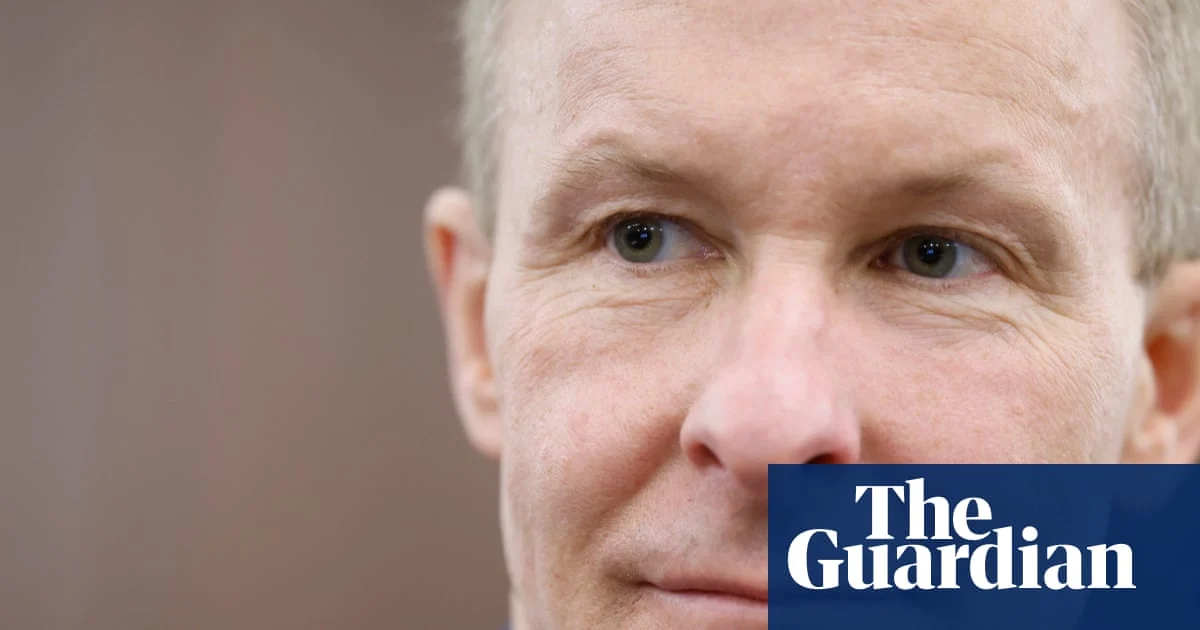
Lede: United Airlines CEO Scott Kirby is facing scrutiny from conservative commentators and politicians after publicly supporting a national wealth and inheritance tax, framing wealth inequality as a danger to society. The remarks, made during a recent interview with the New York Times, have intensified debates around corporate leadership and policy advocacy. Kirby was asked about public distrust of CEOs and whether he felt a responsibility to address it.
Key Facts
- United Airlines CEO Scott Kirby called for a national wealth and inheritance tax in a recent interview.
- He described wealth inequality as a ‘danger to society’ in the same interview.
- The interview was published by the New York Times.
- Kirby faced backlash from conservative politicians and commentators following the interview.
- The interview also touched on public distrust of CEOs.
The Story
What Happens Next?
Following the interview, conservative voices in politics and media began criticizing Kirby’s stance on taxation. Some labeled his comments as misaligned with free-market principles, while others questioned whether corporate executives should advocate for specific fiscal policies. As of now, no formal responses from United Airlines or U.S. lawmakers have been publicly disclosed. Observers are watching whether Kirby will clarify or retract his statements in future communications.
Who Is Affected?
The backlash primarily impacts Scott Kirby’s public image and, by extension, United Airlines’ brand perception. Corporate leaders who voice political opinions often face reputational risks, especially when their views clash with segments of their customer or stakeholder base. Additionally, the incident reflects broader tensions in American business about the role of executives in shaping public policy discussions around taxation and economic equity.
How Did We Get Here?
Kirby’s comments emerged during a wider conversation about public trust in corporate leadership. Rising wealth inequality has become a central issue in U.S. politics, with proposals like wealth taxes gaining traction among some policymakers. His remarks were part of an interview focusing on CEO accountability and societal responsibility, suggesting that corporate leaders must engage with public concerns about fairness and economic stability. This context situates his views within ongoing national debates about taxation and inequality.
What We Know — and What We Don’t
Verified by the source:
- Scott Kirby is the CEO of United Airlines.
- He supported a wealth and inheritance tax in a New York Times interview.
- Wealth inequality is something he called a ‘danger to society’.
- Conservative politicians and commentators criticized him.
- The interview addressed public distrust of CEOs.
Still unconfirmed:
- Exact quotes attributed to Kirby beyond summarized content.
- Specific identities or names of politicians or commentators involved in the backlash.
- Official responses from United Airlines or the New York Times.
- Whether Kirby plans to issue a follow-up statement.
Why It Matters
This episode highlights growing divisions in American society over economic policy and the extent to which corporate leaders should engage in political advocacy. It also underscores how public statements by high-profile executives can quickly become polarizing, affecting both personal reputations and corporate standing.
What To Watch
Future interviews or press releases from Kirby or United Airlines may clarify whether these comments represent personal views or broader company positions. Additional reactions from political figures or advocacy groups could further shape the narrative around CEO influence on tax policy.
Meta description: United Airlines CEO Scott Kirby faced conservative backlash after calling for wealth and inheritance taxes, saying inequality threatens society.