LEDE
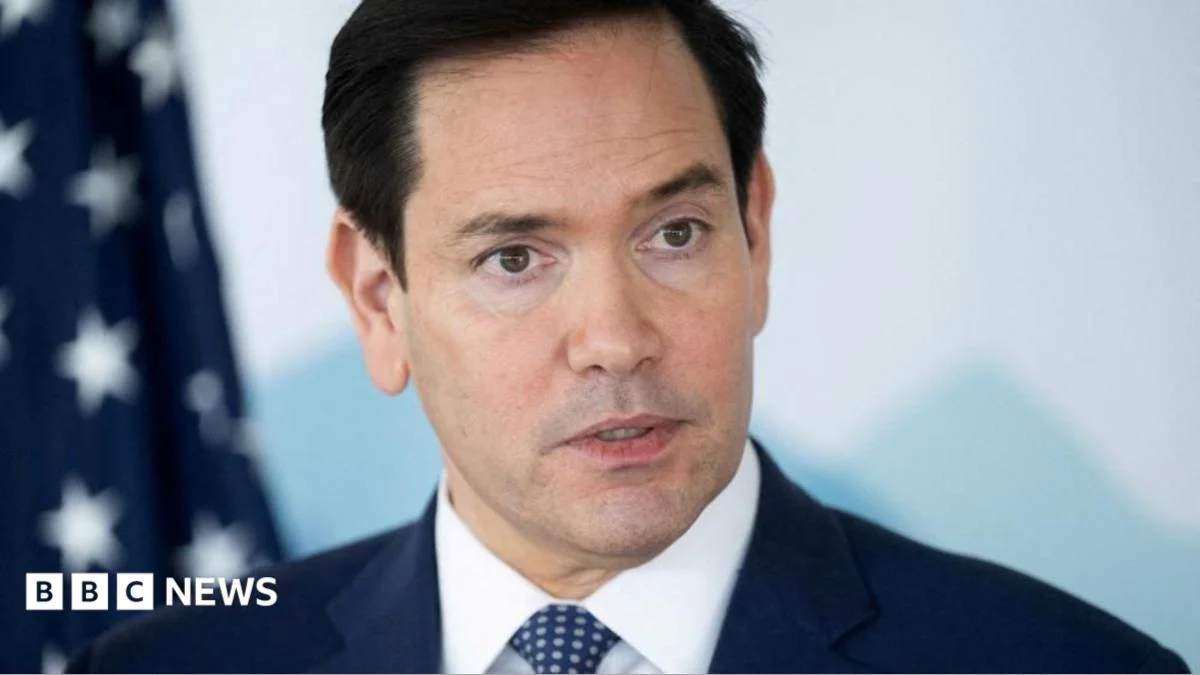
The United States has imposed visa restrictions on South African officials, citing unresolved concerns over alleged racial discrimination against white citizens. The move follows statements from U.S. Secretary of State Marco Rubio, who said South Africa has not adequately addressed U.S. concerns over racial inequality.
The visa restrictions target specific South African government officials and come amid broader diplomatic tensions between Washington and Pretoria. According to reports, the restrictions were announced after sustained U.S. criticism of policies perceived as favoring one racial group over another in land reform and employment practices.
KEY FACTS
- visa restrictions imposed on South African officials
- cited failure to address U.S. racial inequality concerns
- announced by Secretary of State Marco Rubio
- based on allegations of anti-white discrimination
THE STORY
What happens next?
The visa restrictions are now in effect, though the full list of affected individuals has not been disclosed publicly. Analysts note that such measures typically involve denying entry or renewing visas for designated officials, potentially limiting their ability to travel to the U.S. for diplomatic or personal reasons. No immediate response from South African authorities was reported in the source material.
U.S. foreign policy tools like visa restrictions often serve as symbolic but targeted responses to governance issues. While they do not carry broad economic or military consequences, they signal disapproval and may escalate diplomatic friction if not followed by negotiations. The State Department may expand or modify the restrictions depending on future developments.
How did we get here?
Tensions between the U.S. and South Africa have grown over policies seen as exacerbating racial divisions. The United States government has voiced concerns regarding land redistribution programs and employment policies that critics argue marginalize minority populations. These issues gained attention after high-profile incidents and parliamentary discussions in South Africa raised questions internationally about inclusivity and fairness.
Secretary Rubio’s statement reflects long-standing U.S. frustration with what it views as insufficient progress on equality matters. Visa restrictions are among several non-military tools available to the U.S. to express diplomatic discontent without severing formal ties. Similar actions have previously been taken by both nations during periods of strained relations.
Who is affected?
While no names were provided, unnamed South African government officials reportedly face limitations on accessing U.S. visas. This could impact mid- to senior-level administrators involved in domestic policy implementation, especially those linked to controversial legislative proposals or administrative decisions. Family members or colleagues might also encounter delays or denials if caught in extended screening processes tied to these individuals.
Beyond direct targets, trade partners and civil society observers are watching closely. Investors often weigh political stability when assessing emerging markets, and protracted disputes can influence bilateral agreements or cooperation frameworks. However, since details remain limited, the immediate scope of those impacted remains unclear beyond general references to officials.
WHAT WE KNOW — AND WHAT WE DON’T
Verified by the source:
- The U.S. has imposed visa restrictions on unnamed South African officials.
- Rubio stated that South Africa has not resolved U.S. concerns about racial inequality.
- The restrictions relate to allegations of anti-white discrimination.
Still unconfirmed:
- No names or titles of affected officials have been released.
- Exact legal basis or executive order issuing the restrictions is not specified.
- Timeline of when the restrictions will take full effect is absent.
- Potential South African retaliation or diplomatic response is unknown.
WHY IT MATTERS
This development illustrates how human rights concerns continue to shape foreign policy decisions in an interconnected world where values-based diplomacy plays an increasing role alongside traditional strategic interests.
WHAT TO WATCH
Future statements from either government may clarify whether additional sanctions or negotiations follow this initial action. Observers should monitor any updates via official press briefings or formal correspondence exchanged between departments.
The current tension underscores how domestic social tensions in one country can reverberate through international channels, influencing everything from diplomatic protocol to market sentiment in neighboring regions. For global readers tracking cross-border reactions to internal governance debates, this episode offers insight into evolving standards around equity and accountability in multilateral settings — visa restrictions reflect U.S. discontent with South Africa’s handling of racial issues.