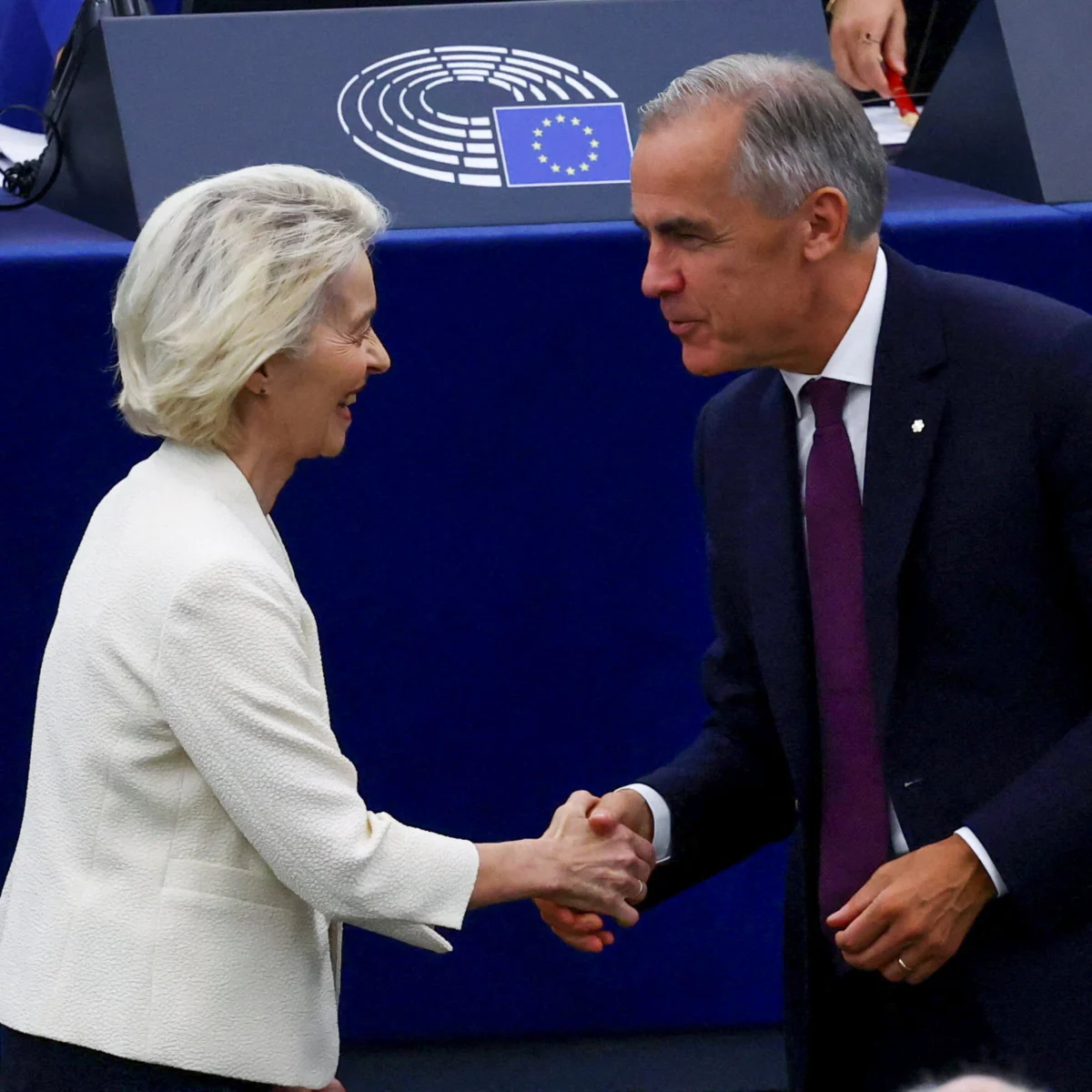
In a significant diplomatic gesture, the president of the European Commission has signaled openness to granting Canada a formal relationship long reserved for select partners. The invitation reflects growing cooperation between the European Union and Ottawa as both sides contend with shifting global dynamics. While no timeline or formal process has been announced, the move marks one of the clearest indications yet that the EU may be willing to offer Canada a status closer to full membership than previously contemplated.
This development comes as the EU seeks to strengthen strategic partnerships beyond its immediate neighborhood, particularly with nations sharing democratic values and economic interests. Canada, already a key player in transatlantic diplomacy and trade, could become the first country to achieve associate status—a classification that typically involves deep policy alignment without voting rights in certain EU institutions.
Key Facts
- Ursula von der Leyen, president of the European Commission, invited Canada closer to the EU.
- The proposed arrangement would make Canada the EU’s first associate member.
- Both sides aim to navigate complicated geopolitical challenges through enhanced cooperation.
- No formal process, timeline, or legal framework has been disclosed.
- The initiative underscores deepening ties between the EU and Canada.
What Does ‘Associate Membership’ Mean?
The concept of associate membership within the European Union is not codified in treaty law but has been discussed periodically as an intermediate step short of full membership. It generally implies participation in select policies—such as trade, research, and security cooperation—while excluding access to all decision-making bodies or symbols of sovereignty like the euro or Schengen Area. Historically, only a handful of countries outside the core EU structure have held such arrangements, most notably some Eastern European states during transitional periods.
For Canada, pursuing associate membership would represent a major evolution in its international posture. Traditionally aligned with North American alliances like NATO and USMCA, Canada has increasingly sought to diversify its global partnerships, especially in light of U.S.-China tensions and Brexit reshaping Europe’s focus eastward. An associate status could allow Canada to maintain strong bilateral relations with Washington while gaining a formalized seat at key multilateral tables in Brussels.
How Did We Get Here?
Ties between the EU and Canada have evolved steadily since the signing of the Comprehensive Economic and Trade Agreement (CETA) in 2016. Designed to reduce tariffs and boost investment flows, CETA laid the groundwork for deeper collaboration across sectors including energy, digital infrastructure, and climate resilience. However, recent years have seen renewed emphasis on political coordination, driven by mutual concerns over supply chain vulnerabilities, cybersecurity threats, and authoritarian influence in emerging markets.
Von der Leyen’s overture builds upon earlier dialogues initiated by senior EU officials who emphasized the need for “like-minded” partners capable of shaping norms in a multipolar world. Canada’s consistent stance on human rights, rule of law, and multilateralism positions it favorably among potential candidates for expanded engagement. Yet questions remain about how quickly or extensively Ottawa is prepared to align its domestic and foreign policies with EU standards, particularly regarding data governance and environmental regulations.
What We Know — and What We Don’t
- Verified by the source:
-
- The European Commission president extended an invitation to Canada for closer ties.
- The suggested model involves associate membership rather than full accession.
- Bilateral discussions are influenced by common geopolitical considerations.
- Canada would be the first non-European nation considered for this tier of integration.
- Still unconfirmed:
-
- Whether Canada accepts or expresses interest in the proposal.
- Details of any conditionality or phased approach to implementation.
- Legal implications concerning jurisdiction, defense cooperation, or monetary policy.
- Response from other EU member states or institutional bodies.
Why It Matters
Should these discussions progress, they could redefine transatlantic-western solidarity at a time when traditional alliances face unprecedented strain. For businesses and citizens alike, new forms of cross-border alignment might bring regulatory harmonization, easier mobility, and coordinated responses to global crises—all under a framework short of full EU union.
What To Watch
Observers should monitor whether Canada reciprocates publicly to the EU’s outreach, and whether formal negotiations begin during upcoming summits or diplomatic meetings.
Meta description: The EU’s top executive has invited Canada toward associate membership—a first for a non-European nation—amid shared geopolitical concerns.