The United States has initiated fresh airstrikes against Iranian targets, an action that has reportedly dashed hopes for de-escalation after a previous exchange of fire last weekend. This development suggests a potential wider renewal of hostilities, drawing renewed attention to the volatile situation in the Middle East.
This latest move from Washington follows an initial exchange of direct attacks, the first such incidents since July. The escalating tensions have already had an impact on global markets, with oil prices notably rising after the initial confrontation and subsequent reports of two tankers being struck.
Key Facts
- The US launched new US airstrikes on Iranian targets on Tuesday.
- The action occurred after an exchange of fire last weekend.
- Oil prices had already risen following the initial exchange of direct attacks.
- Two tankers were reportedly hit leaving the Strait of Hormuz.
Escalating Tensions in the Middle East
The recent launch of new US airstrikes on Iranian targets marks a significant escalation in the ongoing tensions in the Middle East. This development, reported on Tuesday, follows an initial exchange of direct attacks that occurred last weekend. The Guardian highlights that this series of events has effectively “quashed hopes” that the earlier exchange of fire might not lead to a broader resurgence of hostilities in the region. Such direct confrontations are particularly noteworthy as they are the first reported instances since July, indicating a shift in the nature of the engagement.
How Did We Get Here?
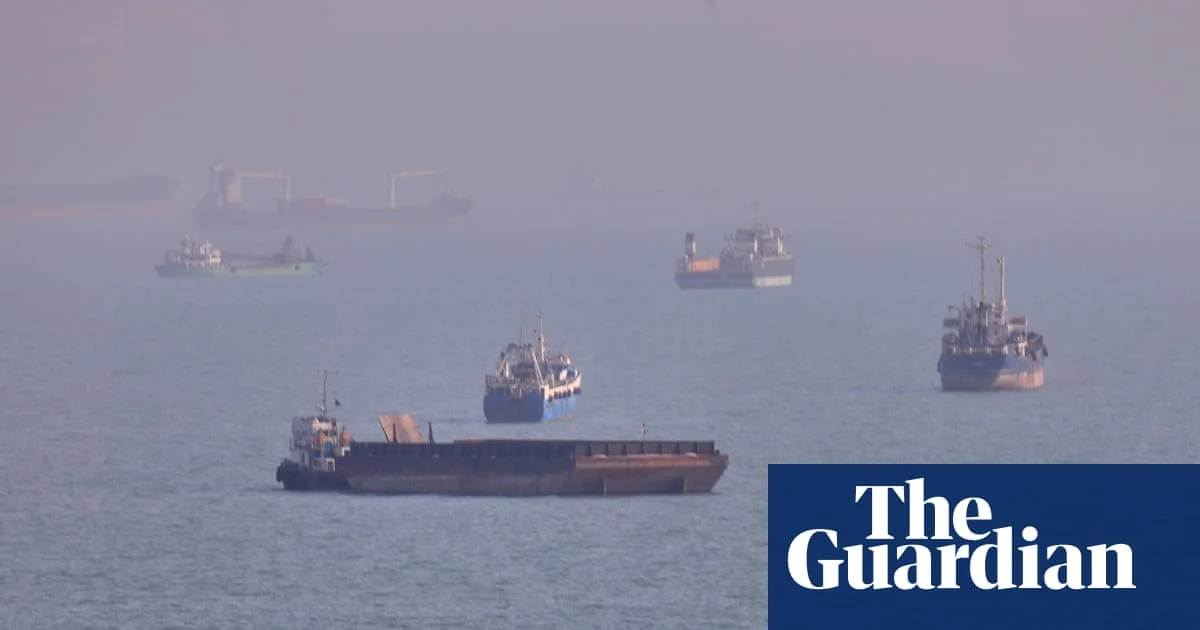
The current situation appears to stem from an initial series of direct attacks that took place last weekend, marking the first such occurrences since July. These initial engagements led to an immediate impact on global oil prices, which had already begun to rise. Further contributing to this increase were reports of two tankers being hit while navigating the Strait of Hormuz. This critical waterway, described as a global oil supply route, has been effectively closed to shipping by Iran, adding to the regional instability and global economic concerns. The decision by the US to conduct new US airstrikes now follows these preceding events, suggesting a reactive or escalating posture.
Impact on Global Oil Markets
The recent escalation, particularly the exchange of direct attacks and the subsequent US airstrikes, has had a tangible effect on global oil markets. According to reports, oil prices had already seen an increase following the initial exchange of fire last weekend. This rise was further exacerbated by reports detailing that two tankers had been struck as they exited the Strait of Hormuz. The Strait of Hormuz is recognized as a vital global oil supply waterway, and Iran’s reported effective closure of it to shipping raises significant concerns about the stability of oil supply chains. These developments underscore the interconnectedness of geopolitical events and global economic stability.
What We Know – and What We Don’t
Verified by the source:
- The US launched new airstrikes on Iranian targets on Tuesday.
- The airstrikes occurred after an exchange of fire last weekend.
- Oil prices rose after the first exchange of direct attacks.
- Two tankers were reportedly hit leaving the Strait of Hormuz.
Still unconfirmed:
- The specific targets of the new airstrikes.
- The exact nature or extent of damage from the airstrikes.
- The precise timing or nature of the initial exchange of fire last weekend.
- Specific details about the reported attacks on the two tankers, including ownership or damage.
- The long-term impact on oil prices or global shipping.
Why It Matters
The ongoing escalation of hostilities between the US and Iran, marked by US airstrikes and direct attacks, holds significant implications for regional stability and global markets. The reported closure of the Strait of Hormuz, a critical oil transit chokepoint, coupled with rising oil prices, indicates potential disruption to the global economy. This situation suggests a heightened risk of wider conflict, impacting international relations and trade.
What To Watch
Future developments will likely include monitoring for further military actions from either side and any official statements regarding the ongoing situation. The trajectory of global oil prices will also be a key indicator of the perceived stability of the region and global supply chains.