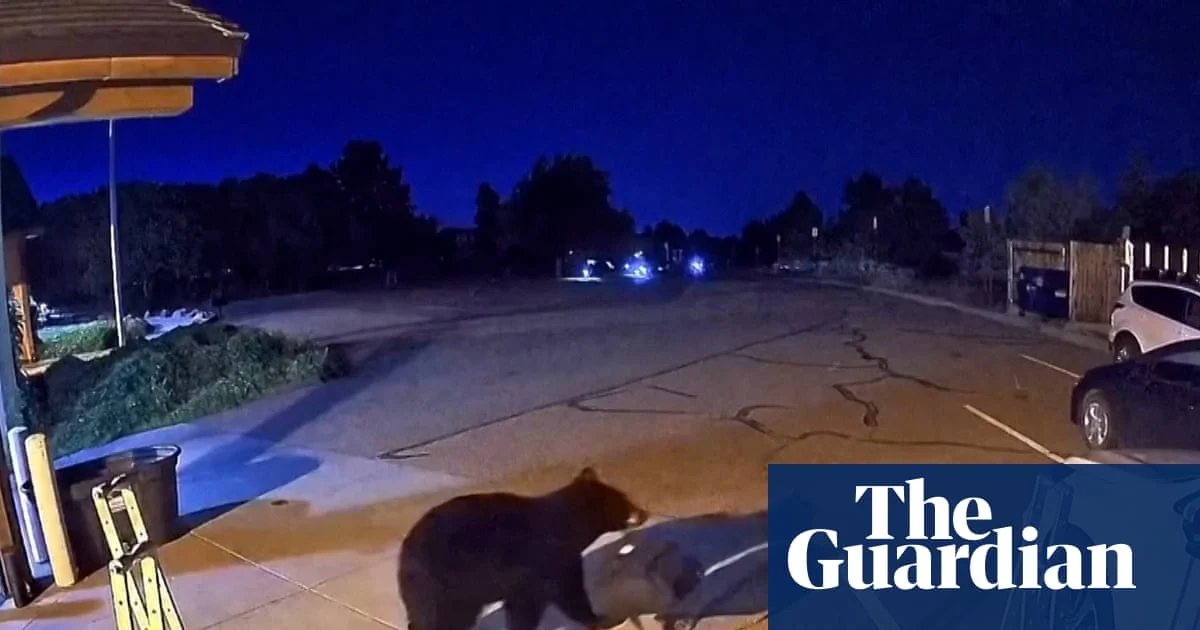
According to The Guardian, bears are increasingly wandering into homes and shops in search of food due to drought-driven shortages across the western United States. Experts attribute this unprecedented behavior to worsening environmental conditions.
With natural food sources dwindling, bears are being drawn to populated areas, creating safety concerns for both humans and the animals. This trend highlights the broader impact of climate change on wildlife behavior.
KEY FACTS
- More bears are entering human spaces due to food shortages.
- The cause is drought-driven food scarcity in the US west.
- Experts report this behavior as a record occurrence.
What is driving this behavior?
The root cause appears to be a lack of natural food sources, exacerbated by prolonged drought conditions. Bears, driven by hunger, are venturing into unfamiliar territories, including homes and shops, to find sustenance. This behavior underscores the impact of environmental changes on wildlife.
How does this affect communities?
Increased bear encounters pose risks to human safety and create challenges for wildlife management. Residents in affected areas may need to take additional precautions to protect their homes and avoid conflicts with bears. Authorities are likely to issue guidance to mitigate these risks.
WHAT WE KNOW — AND WHAT WE DON’T
Verified by the source:
- Bears are entering homes and shops in record numbers.
- Drought-driven food shortages are the primary cause.
Still unconfirmed:
- The exact regions most affected by these incidents.
- Specific measures being taken to address the issue.
WHY IT MATTERS
This trend highlights the growing impact of climate change on wildlife behavior and human-wildlife interactions. It serves as a reminder of the need for sustainable environmental practices to mitigate such challenges.
WHAT TO WATCH
Authorities are expected to issue guidelines for residents in affected areas. Monitoring drought conditions and wildlife behavior will be crucial in addressing this issue.