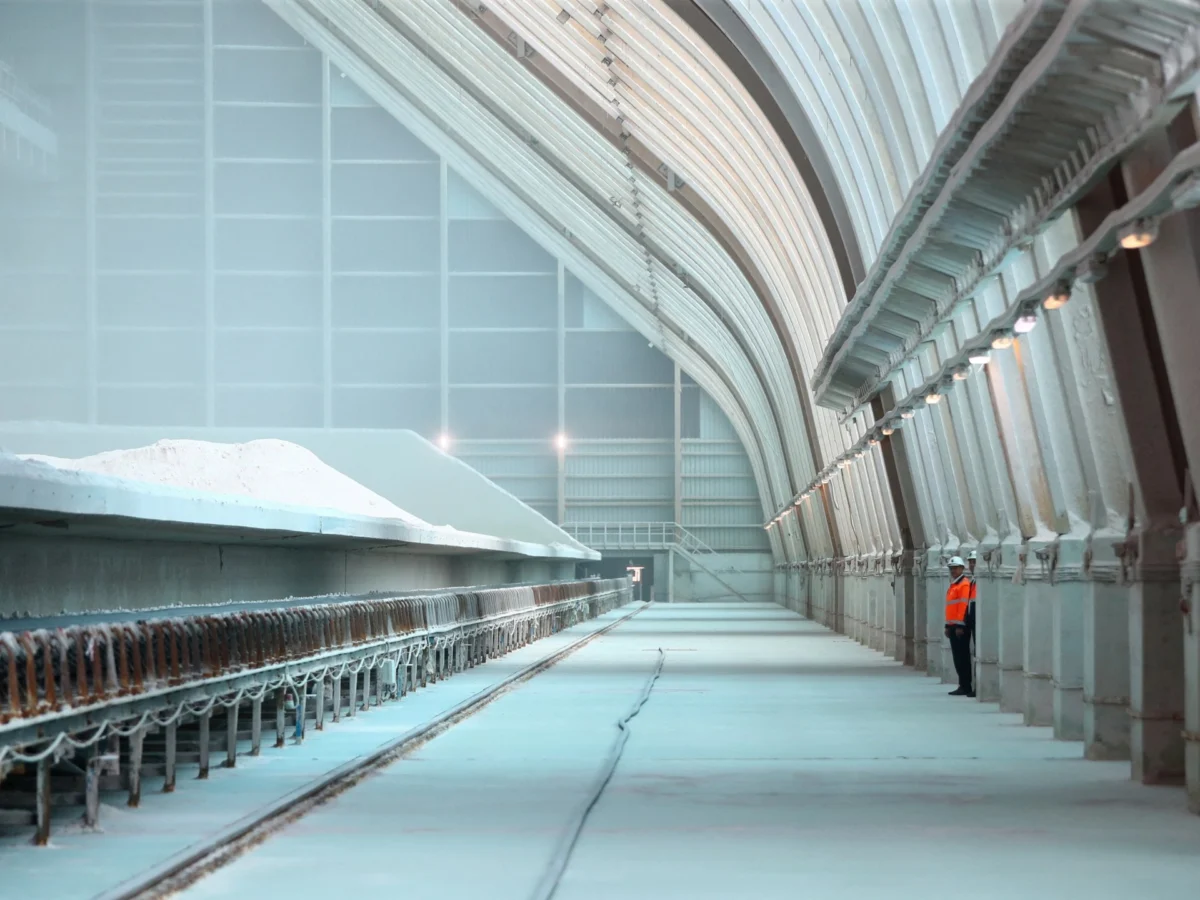
US potash imports from Belarus raise concerns among American farmers who already depend heavily on Canadian potash supplies. This reliance adds to agricultural cost pressures amid ongoing trade tensions affecting key fertilizer minerals used across North American farming.
Potash, a potassium-rich mineral crucial for crop growth and soil health, is essential for US agriculture. However, shifts in global supply chains and geopolitical trade tensions have prompted the US to diversify its potash sourcing, including recent purchases from Belarus — a move that intensifies debates over national supply chain resilience and farming affordability.
KEY FACTS
- The US relies on Canadian potash as a key fertilizer mineral.
- Trade tensions are increasing cost concerns for US farmers.
- The article explores why the US imports potash from Belarus.
What Is Potash?
Potash refers to a group of minerals containing potassium, an essential nutrient for plant growth and agricultural productivity. It enhances root development, improves disease resistance, and supports overall crop yields. In the US, potash is widely used in large-scale farming operations, particularly in corn, soybean, and wheat production. Despite its importance, the US does not produce enough potash domestically to meet demand, making it dependent on foreign sources such as Canada, which has historically been the primary supplier.
How Did Trade Tensions Impact Potash Imports?
Trade disputes and diplomatic tensions have disrupted traditional supply chains, prompting the US to explore alternative suppliers beyond Canada. One such source is Belarus, a country known for its significant potash reserves and export capacity. While shifting sourcing strategies may reduce dependence on any single nation, it also introduces new complexities related to pricing volatility, transportation costs, and international relations. These changes contribute directly to rising input costs for farmers already operating under tight margins.
Who Is Affected by These Potash Import Shifts?
Primary stakeholders include US-based farmers, especially those engaged in commodity crops like corn and soybeans, who face fluctuating prices for vital agricultural inputs. Secondary impacts extend to food processors, livestock producers, and ultimately consumers through potential increases in food prices. Additionally, mining industries in Canada and Belarus monitor these trends closely due to their economic implications. Policymakers are also watching developments as they weigh national security interests against agricultural needs.
WHAT WE KNOW — AND WHAT WE DON’T
Verified by the source:
- US dependence on Canadian potash is well-established.
- Trade tensions are contributing to cost concerns among US farmers.
- Belarus has become a source of imported potash for the US.
Still unconfirmed:
- No specific dates or volumes of Belarus potash imports were cited.
- Exact financial impact on US farmers remains unspecified.
- No official statements or policy responses were quoted or referenced.
WHY IT MATTERS
Potash imports influence the bottom line for millions of American farmers and affect the stability of the broader food system. As global trade dynamics evolve, disruptions in fertilizer supply chains can translate into higher grocery bills and reduced competitiveness for US agriculture on the world stage.
WHAT TO WATCH
Future US policy decisions regarding strategic mineral sourcing could further shape fertilizer import patterns. Monitoring upcoming trade negotiations or domestic production incentives would provide clearer signals about long-term supply chain adjustments.