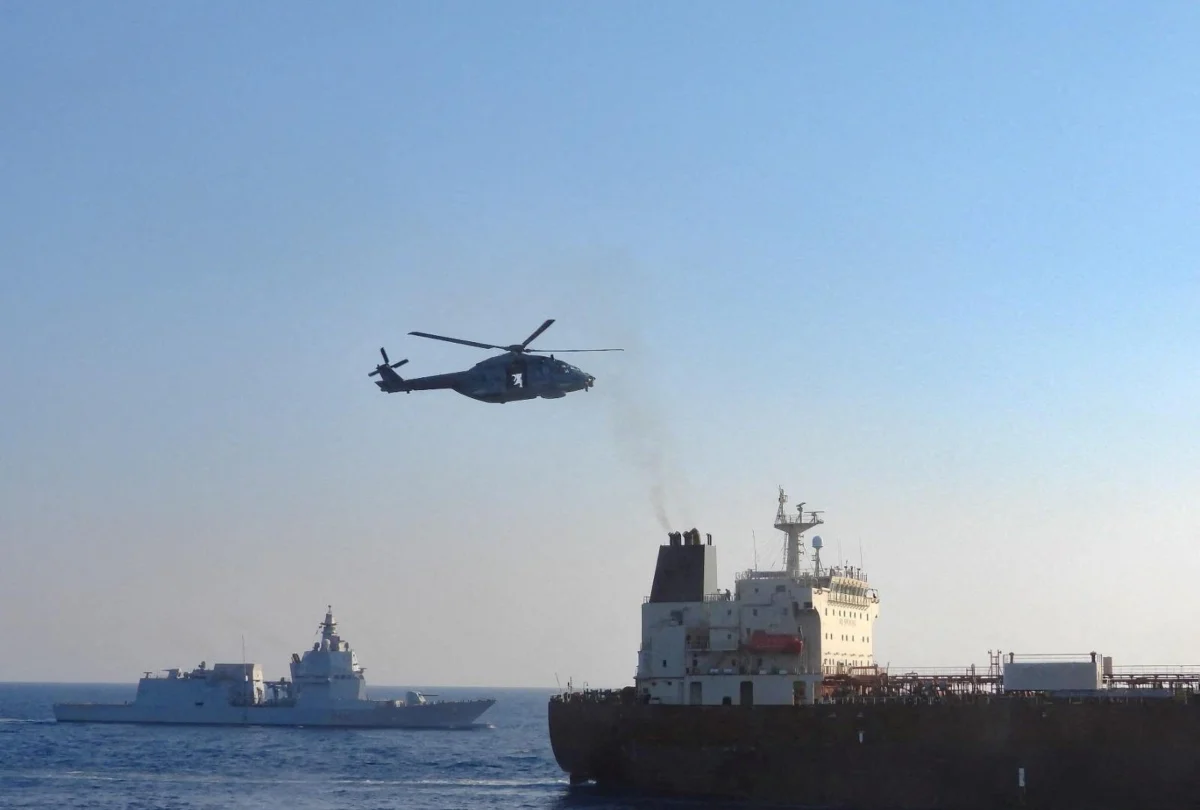
Ukraine’s Western allies are using maritime law to inspect Russian shadow tankers, according to a report by Al Jazeera. The law of the sea provides a legal framework allowing these inspections when vessels are suspected of carrying sanctioned cargo. This development highlights how international legal instruments are being applied in active efforts to enforce economic sanctions against Russia.
The law of the sea plays a central role in these operations, enabling naval or coast guard units to board and examine ships suspected of transporting banned goods. These inspections target so-called “shadow tankers” believed to be moving Russian oil in violation of sanctions regimes. By invoking established maritime legal protocols, Western nations aim to disrupt illicit trade routes without triggering open conflict.
KEY FACTS
- Ukraine’s Western allies are inspecting Russian shadow tankers.
- They are using the law of the sea to conduct these inspections.
- The tankers are suspected of carrying sanctioned Russian oil.
- The source is Al Jazeera – Breaking News, World News and Video from Al Jazeera.
THE STORY
What happens next?
The law of the sea gives warships and authorized maritime forces the right to stop and search vessels in international waters under certain conditions. When suspicions arise about a ship carrying sanctioned materials, inspectors may request documentation, verify cargo manifests, and look for signs of deception such as ship-to-ship transfers or falsified flags. These encounters can lead to delayed shipments, rerouted cargoes, or even detentions if violations are confirmed. As more shadow tankers are targeted, shipping companies and insurers may adjust routes or abandon certain voyages altogether, increasing pressure on Russia’s oil exports.
These actions also raise diplomatic concerns. Some nations not aligned with Western sanctions may challenge the legality of such boardings, arguing territorial sovereignty or freedom of navigation rights. Tensions could grow if inspections escalate beyond routine checks, particularly if force is used or vessels are seized. Meanwhile, shipping analysts note that many shadow tankers operate with complex ownership structures and flags of convenience, making identification and enforcement difficult even when the law of the sea permits action.
How did we get here?
The use of the law of the sea to enforce sanctions builds on years of evolving international rules governing maritime activity. After World War II, conventions established clear procedures for inspecting ships suspected of carrying contraband. Today, those same frameworks underpin efforts to police not just weapons or illegal goods, but economic sanctions. Western governments have increasingly relied on naval cooperation and intelligence sharing to track suspicious oil shipments leaving Russian ports. Satellite tracking, financial data leaks, and port state controls now feed into coordinated campaigns aimed at limiting Russia’s ability to profit from energy sales abroad.
However, enforcement remains inconsistent. Not all countries recognize every sanction regime, and some allow flagged or registered vessels to evade detection through technical loopholes or lack of communication between agencies. The effectiveness of the law of the sea thus depends heavily on political will and inter-agency coordination. Still, recent reports suggest an uptick in boarding attempts and cargo interdictions tied specifically to Russian crude oil exports.
WHAT WE KNOW — AND WHAT WE DON’T
Verified by the source:
- Western allies are using the law of the sea to inspect Russian shadow tankers.
- The vessel inspections relate to suspected transport of sanctioned Russian oil.
- The reporting originates from Al Jazeera – Breaking News, World News and Video from Al Jazeera.
Still unconfirmed:
- No specific dates, locations, or vessel names were provided in the source material.
- Details regarding which countries participated in the inspections remain unclear.
- The outcome or results of any individual inspection were not disclosed.
- Official statements or reactions from involved governments have not been named or quoted.
WHY IT MATTERS
This application of the law of the sea shows how traditional legal mechanisms are being repurposed to address modern geopolitical challenges. By enforcing sanctions at sea, Western nations hope to weaken Russia’s wartime economy, though success will depend on sustained cooperation among navies and clarity in international law.
WHAT TO WATCH
Future developments may include increased transparency around future inspections, formal responses from unaffected nations, or shifts in global shipping behavior as sanctions enforcement intensifies.