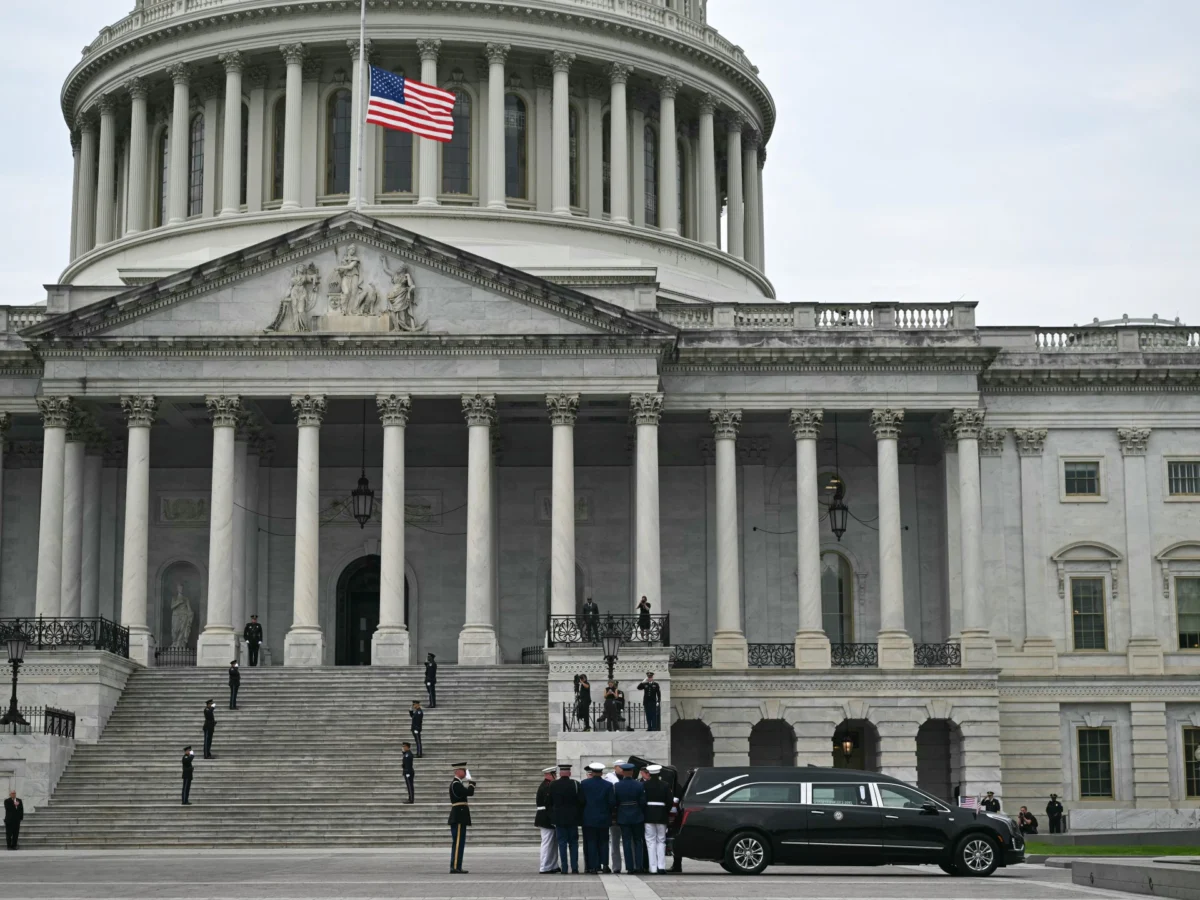
The US House of Representatives voted to end the Iran war, with 7 Republicans joining Democrats in favor of advancing a war powers resolution that would halt the administration’s ability to continue military action. This marks the third time the House has approved such a resolution. The measure reflects growing legislative pushback over the scope of executive war-making authority.
The vote underscores a rare bipartisan coalition forming around constraints on presidential war powers, signaling continued friction between Congress and the administration over U.S. military involvement abroad. The resolution now moves to the next phase of the legislative process, though its path forward remains uncertain given opposition from key leadership.
KEY FACTS
- US House voted to end Iran war, approving a war powers resolution.
- For the third time, the House approved the resolution halting military action.
- 7 Republicans joined in favor of the measure.
- The resolution targets Trump’s ability to continue military action.
WHAT HAPPENS NEXT?
After House passage, the resolution moves to the Senate, where its fate depends on whether leadership brings it to a vote. Given the narrow bipartisan margin and ongoing tensions over war powers, the outcome remains unpredictable. The administration has not indicated willingness to relent on its current military posture, meaning legal and political pressure points are likely to intensify.
Congressional resolutions of this type typically face an uphill climb once they reach the Senate, especially when opposed by the majority party. Lawmakers opposed to the measure argue it undermines executive flexibility in foreign policy, while supporters say it restores constitutional checks and balances.
HOW DID WE GET HERE?
The latest vote follows a pattern of repeated attempts by the House to assert its war powers authority. Previous iterations stalled or were blocked, but renewed Republican defections suggest shifting sentiment even within the president’s own party. Lawmakers citing concerns over escalation and lack of clear authorization have helped build momentum for this third push.
Historical precedent shows that war powers resolutions often reflect broader disagreements about national security strategy. While some view them as essential oversight tools, others see them as politically motivated obstacles to decisive action abroad. This latest iteration continues that long-running debate.
WHAT WE KNOW — AND WHAT WE DON‗T
Verified by the source:
- The US House voted to end the Iran war.
- The vote occurred for the third time on a war powers resolution.
- Seven Republicans voted in favor of the resolution.
- The resolution halts the president’s ability to continue military action.
Still unconfirmed:
- Senate leadership’s timeline or commitment to take up the resolution.
- Exact vote count details beyond the 7 Republican supporters.
- White House official response or veto threat.
- Full text or legal wording of the resolution.
WHY IT MATTERS
War powers resolutions represent a foundational check in the U.S. constitutional system, allowing Congress to limit presidential authority during undeclared conflicts. This vote signals growing unease, even among some Republicans, about unchecked executive military power in an era of frequent global tensions. Whether the resolution advances further will shape how future administrations navigate both war and oversight.
WHAT TO WATCH
All eyes now turn to the Senate, where leadership must decide whether to advance the resolution. A veto threat or formal opposition statement from the White House would clarify the administration’s stance. Meanwhile, public reaction and potential court challenges could determine whether the resolution gains broader traction or stalls indefinitely.
More on geopolitics and congressional oversight at war-geopolitics and politics.