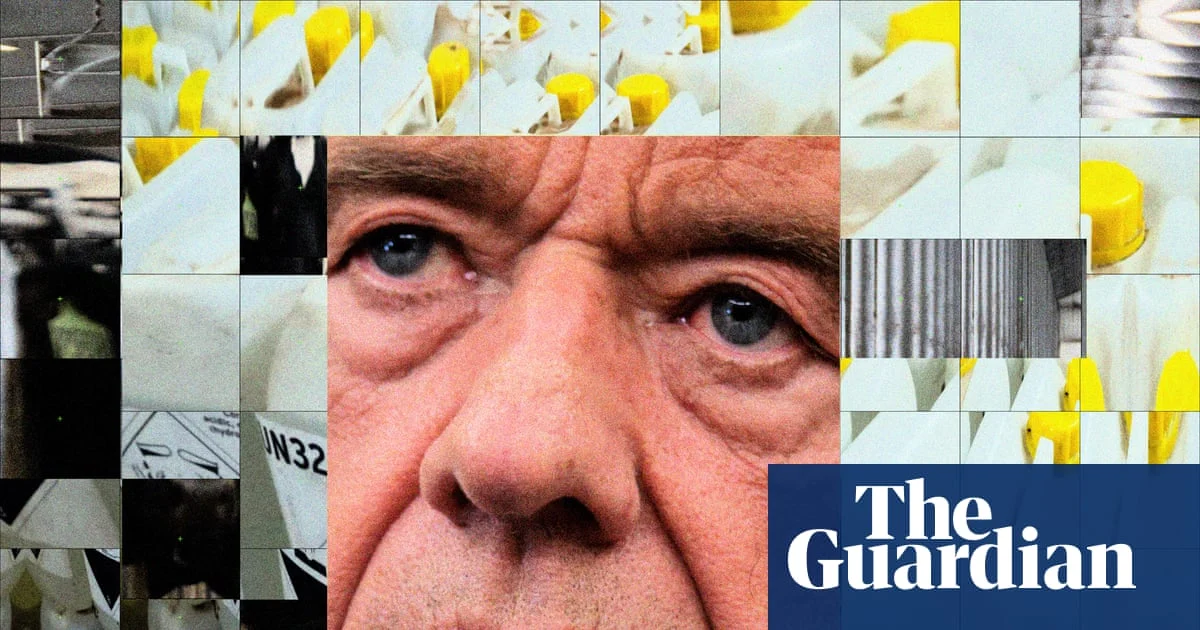
US food and agriculture corporations are reportedly funding a campaign that pays social media influencers to counter parts of Robert F Kennedy Jr’s Make America Healthy Again (MAHA) platform, according to an investigation by the Guardian and Documented.
The effort reflects concern in the industry about cross-partisan support in Washington for issues such as pesticides and food additives, which the industry views as a threat to its bottom line. The MAHA movement blends mainstream food and farm safety concerns with conspiracy theories about medicine and other topics.
KEY FACTS
- Investigative reporting: Guardian and Documented found food industry funding of influencer campaigns.
- Target: Influencers are paid to counter elements of RFK Jr’s MAHA platform.
- Threat perception: Industry cites cross-partisan support on pesticides and food additives as a business risk.
- Political context: RFK Jr is US Secretary of Health and Human Services.
- Movement scope: MAHA combines food safety concerns with broader conspiracy theories.
What Is the Food Industry Response?
Some of the largest food and agriculture corporations in the US are reportedly bankrolling a coordinated campaign that enlists social media influencers to push back against specific claims advanced by the MAHA movement. The goal, according to the investigation, is to shape public conversation around food additives, pesticide use, and farming practices. Influencers are said to receive payment to challenge assertions made by RFK Jr and his allies, though the precise mechanics and scale of the payments remain unclear.
The campaign underscores how deeply embedded marketing strategies have become in political and policy battles. Rather than relying solely on traditional lobbying, major food brands appear to be extending their reach into digital spaces where younger and more diverse audiences gather. This shift highlights the growing influence of social media as a battleground for public opinion on health and safety regulations.
Still, the investigation does not detail which specific corporations are involved or how much money has been spent. The lack of transparency around funding sources makes it difficult to assess the full scope of industry involvement.
Who Is Affected and Why It Matters
The individuals and groups most directly affected include consumers who rely on social media for information about food safety and dietary choices. These audiences may encounter paid content that appears to be independent commentary but is actually funded by companies with a financial stake in regulatory outcomes. Public health advocates and policymakers are also impacted, as the presence of industry-backed messaging can muddy the waters around evidence-based discussions of nutrition and chemical exposure.
RFK Jr’s ascent to the role of Secretary of Health and Human Services has given his MAHA platform increased visibility and legitimacy. His central claim that chronic illness in the US stems largely from processed foods, chemical additives, and vaccine safety concerns has attracted both loyal followers and fierce critics. A MAHA summit in Washington is set to feature prominent political figures, further amplifying the movement’s reach.
The stakes are high because food and agriculture policy affects everyday household budgets and long-term public health outcomes. Any distortion of the information landscape can influence dietary habits and trust in regulatory institutions.
How Did This Strategy Develop?
The use of influencers to influence policy debates is part of a broader trend in which industries adapt traditional advocacy tactics to new digital platforms. Companies have long used advertising and public relations campaigns to sway opinion on regulations, but the rise of social media has created additional channels for reaching fragmented audiences. This approach allows firms to engage more casually with consumers while avoiding the formal disclosure requirements that apply to some other forms of political spending.
At the same time, regulators and watchdog organizations have struggled to keep pace with evolving disclosure rules for digital advertising. Without clear guidelines, it remains uncertain whether audiences can reliably distinguish between organic content and paid endorsements designed to advance corporate interests.
The involvement of Documented, an investigative journalism project focused on tracking money in politics, suggests growing scrutiny of these tactics. Whether future reporting will uncover additional details about funding flows or participant identities is unclear.
WHAT WE KNOW — and WHAT WE DON’T
Verified by the source:
- A Guardian and Documented investigation reports food industry funding of influencer campaigns.
- Influencers are reportedly paid to combat elements of RFK Jr’s MAHA platform.
- Industry perceives cross-partisan support on pesticides and additives as a threat.
- RFK Jr currently serves as US Secretary of Health and Human Services.
- A MAHA summit in Washington will include political leaders.
Still unconfirmed:
- Which specific corporations are participating in the campaign.
- The total amount of money invested in influencer outreach.
- Exact payment amounts offered to individual influencers.
- Names of influencers involved or platforms used.
- Whether any major brand has publicly confirmed its participation.
WHY IT MATTERS
The intersection of corporate marketing and public health discourse raises questions about transparency, democratic deliberation, and the reliability of information shaping daily consumer decisions. As social media becomes an increasingly important source of news and advice, distinguishing between genuine opinion and paid persuasion grows more difficult. This dynamic also reflects wider concerns about how private interests can influence political narratives, even when doing so involves technically legal forms of communication. For readers seeking to navigate nutrition and safety advice, understanding the potential motives behind online content is crucial.
WHAT TO WATCH
Further reporting may reveal additional details about participating companies and funding levels. Officials have not yet commented publicly on the allegations described in the investigation. The outcome of the upcoming MAHA summit and any follow-up legislative proposals will likely signal how much traction these competing narratives gain. Readers can expect continued scrutiny from watchdog groups monitoring the role of paid digital influence in shaping public policy discussions.