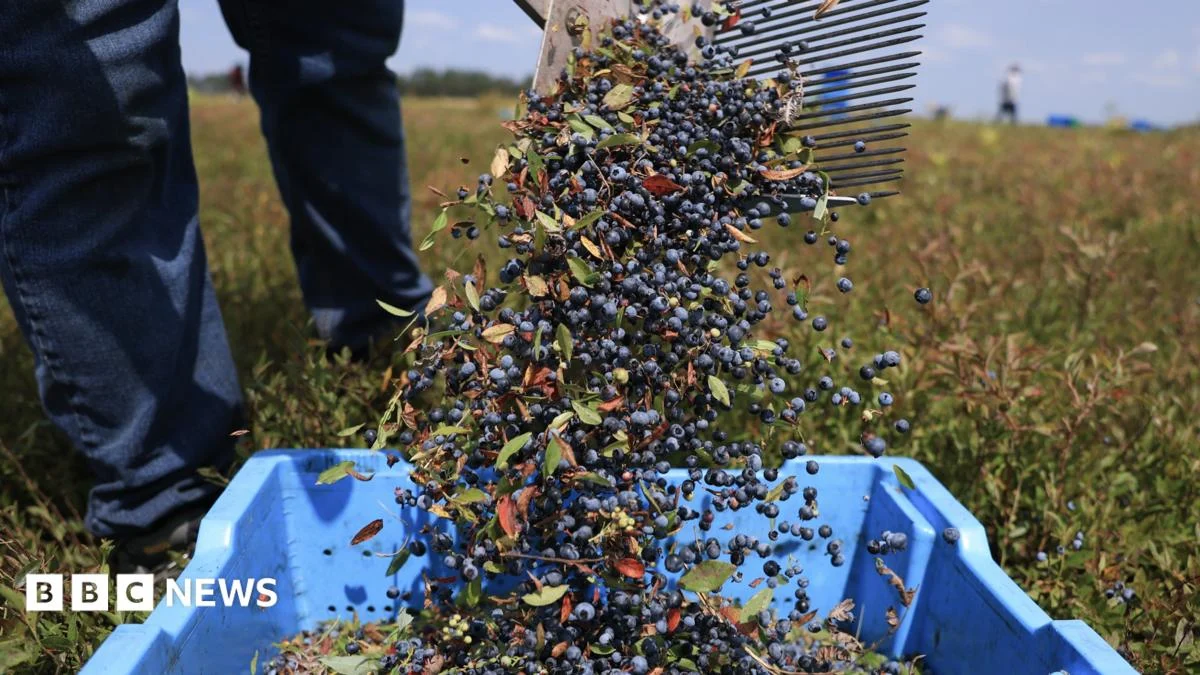
The rise of AI harvest timing tools asks whether farmers will trust machine-based advice over their own intuition when picking fruit.
Some developers argue these systems can analyze weather patterns, crop data, and ripeness indicators faster than human judgment alone. Critics worry that over-reliance on automated recommendations could erode time-tested farming knowledge passed down through generations.
KEY FACTS
- AI tools are being developed to help farmers decide when to harvest fruit.
- A key question is whether farmers prefer AI guidance or their own intuition.
- The debate reflects broader tensions around technology adoption in agriculture.
WHAT IS AI HARVEST TIMING?
AI harvest timing refers to digital tools that collect data such as temperature, moisture levels, and satellite imagery to predict optimal harvest windows. These systems process information quickly and flag recommended picking periods based on algorithmic models.
Farmers input details about their crops, including type, location, and growth stage. The system then compares this data against large databases of weather trends and historical yields to provide harvest suggestions.
WHO IS AFFECTED BY AI HARVEST TIMING?
Fruit farmers stand to be directly impacted by AI harvest timing technologies. This includes orchard owners, cooperative growers, and agricultural enterprises that rely on precise harvesting schedules to maintain quality and reduce waste.
Beyond producers, consumers may notice changes in fruit availability and pricing. Distributors and retailers also track harvest timing closely since supply chain logistics depend on consistent delivery windows.
Larger agricultural firms often pilot new tools first due to financial resources, while smaller farms may adopt them later once costs decrease and effectiveness is proven.
HOW DID AI HARVEST TIMING EMERGE?
The push for AI harvest timing grew alongside increasing demands for food production efficiency. As global populations expand, farmers face pressure to maximize yields while minimizing losses from poor harvest timing decisions.
Advocates say AI can reduce guesswork and support more sustainable practices by aligning harvests with peak ripeness and market demand. Skeptics caution that local expertise remains irreplaceable for adapting to unexpected field conditions or regional variations.
Early deployments focus mainly on high-value crops like apples, grapes, and berries where even slight improvements in timing can significantly affect profitability and product quality.
WHAT WE KNOW — AND WHAT WE DON’T
Verified by the source:
- Developers are creating AI tools to assist with harvest timing for fruit crops.
- There is active discussion about whether farmers will adopt these tools or rely on intuition.
Still unconfirmed:
- How widely AI harvest timing tools are currently used.
- Whether these tools improve actual yield outcomes compared to traditional methods.
- What specific data inputs power these systems.
- Which companies or institutions are leading development efforts.
- Any measurable impact on farmer profits or consumer prices.
WHY IT MATTERS
The rise of AI harvest timing reflects a larger shift toward data-driven agriculture that affects how food moves from farm to table. Decisions made in fields today influence grocery store shelves tomorrow, making technological adoption a concern for both rural communities and urban consumers navigating food availability and cost.
WHAT TO WATCH
Broader coverage of AI harvest timing tools may emerge as agricultural shows and academic studies assess real-world performance against traditional farmer judgment.
Explore related updates in economy and markets or AI technology developments affecting agriculture and trade.