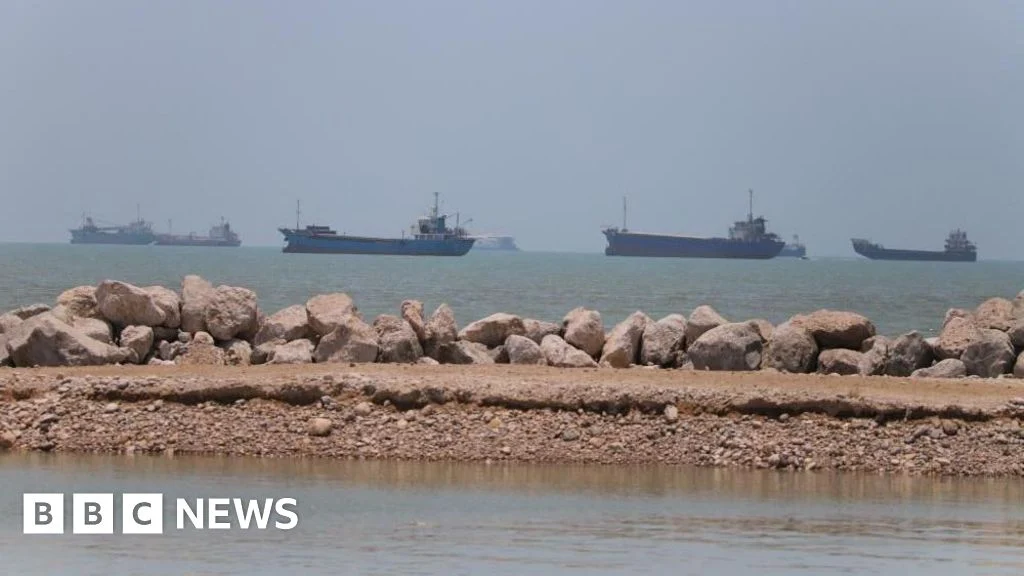
At 0600 GMT on Thursday, an American destroyer lowered its guns and steered away from the Strait of Hormuz, ending a six‑day naval blockade that had choked oil tankers in one of the world’s busiest shipping lanes.
The move came hours after Iran’s supreme leader, Ayatollah Ali Khamenei, declared the Tehran‑Washington agreement signed by former President Donald Trump “a deal made out of desperation”.
Why does this matter?
For the $1.2 trillion of daily oil that flows through the strait, the blockade was a blunt reminder that geopolitics can still grind global markets to a halt. When the US Navy pulled back, traders saw the Brent crude price tumble 1.3%, and shipping insurers dropped premiums by $150 million.
What did Khamenei actually say?
Khamenei, speaking to a gathering of senior clerics, said he did not endorse the agreement and accused Trump of “selling Iran’s sovereignty for personal gain”. He added that the deal “does not reflect the will of the Iranian people”. No official Iranian government spokesperson issued a separate statement.
The United States, through the State Department, announced that lifting the blockade was a “gesture of goodwill” aimed at stabilising the region while diplomatic talks continue.
Washington’s decision also aligns with a broader strategy to reduce direct confrontations with Tehran, a shift from the more confrontational posture under the previous administration.
Who is affected?
Energy firms, shipping companies, and investors feel the shockwaves. A cargo ship owned by a Greek firm reported a three‑day delay in delivering crude to Europe, prompting a $2 million loss.
Consumers may notice marginal fuel price changes at the pump, but the real impact ripples through pension funds and retirement accounts that hold oil‑linked assets.
What happens next?
Analysts expect a flurry of back‑channel talks in Doha and Geneva. If the US‑Iran pact survives parliamentary scrutiny in Tehran, the blockade could remain lifted, but any slip‑up could see the US re‑impose naval pressure.
For now, the world watches a fragile cease‑fire in a region where a single misstep can spark a broader conflict.