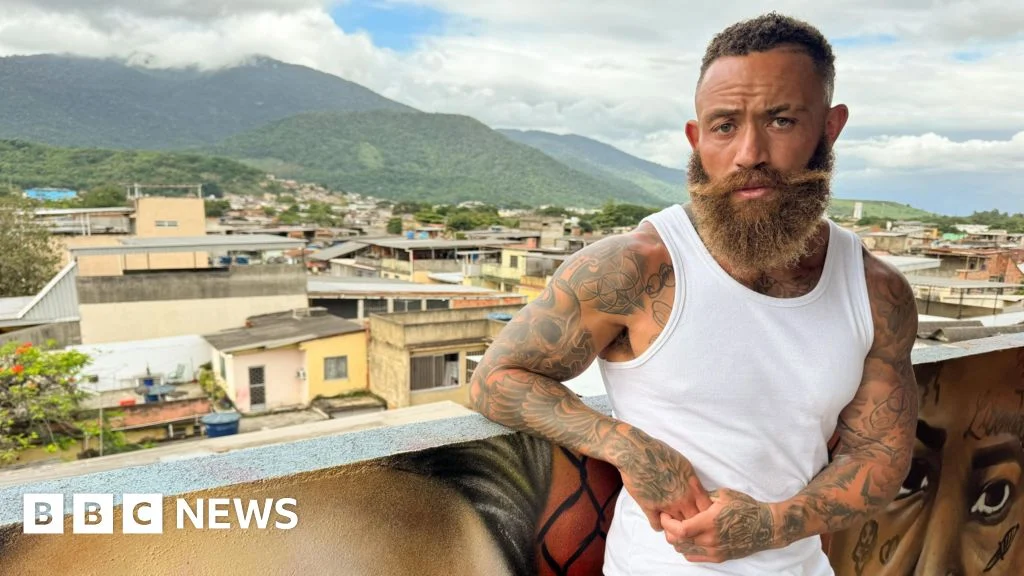
Within hours of its debut, the BBC Three documentary Into the Danger Zone vanished from the streaming schedule, replaced by a bland placeholder that simply read “Episode unavailable.”
The sudden removal stems from accusations that presenter Ashley Cain used language deemed sexist during the series, prompting the broadcaster to announce it will have “no future projects” with him.
What happened to the Ashley Cain series?
On March 22, 2026, the BBC issued a short statement: the network was pulling the four‑part series and had decided not to commission any further work with Cain. The reason given was “sexist language accusations” raised by viewers and internal reviewers.
BBC Three, the youth‑focused channel that launched the show, had billed the series as an “adventure‑driven look at risk‑taking cultures” across the globe. Its first episode featured Cain zip‑lining in New Zealand, while the second sent him to a fire‑fighting unit in Spain. The controversy erupted after an excerpt from the third episode – in which Cain described a female firefighter as “tough as nails but still a lady” – was circulated on social media.
Why does this matter?
For viewers, the pull signals a growing intolerance for language that reinforces gender stereotypes, even in entertainment aimed at younger audiences. For the industry, it marks a rare public reprimand of a high‑profile presenter, suggesting that broadcasters may tighten editorial oversight and diversity guidelines.
Media analysts note that the BBC’s swift action could set a precedent for other public broadcasters facing similar complaints. “When a flagship outlet like the BBC takes such a step, it sends a clear message that sexist framing will not be tolerated,” said a commentator for the politics section of a major UK newspaper.
What happens next for Ashley Cain?
Cain, best known for his immersive travel series on the BBC, has not publicly responded to the allegations. The broadcaster’s statement makes clear that, for now, “there are no future projects planned with Cain.” Whether the presenter will re‑emerge on another platform remains uncertain.
Fans can still find the first two episodes on the BBC iPlayer, though they are likely to be pulled pending a full review. The BBC has pledged a thorough internal audit of its content vetting processes.
In a media landscape where audience complaints travel instantly across platforms, the incident underscores the power of public backlash. As streaming services juggle authenticity with accountability, the fallout from the BBC’s decision will be a case study for editors worldwide.
Stay tuned for updates on whether the BBC reinstates the series, issues a formal apology, or introduces new guidelines that could reshape how adventure documentaries are scripted.