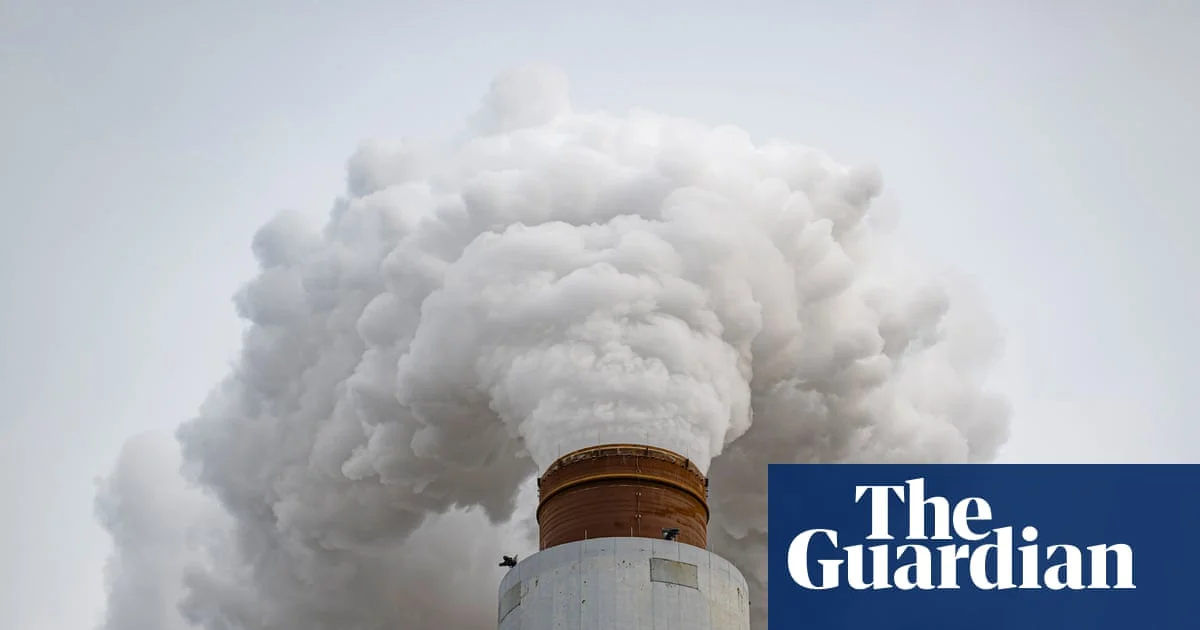
The US Environmental Protection Agency has moved to end emission limits on coal and gas-fired power plants, stripping itself of the ability to regulate greenhouse gas emissions under the Clean Air Act. The change removes a central mechanism long used to address the climate crisis. This comes after the hottest summer ever recorded in the US.
The Trump administration’s EPA announced it would erase existing restrictions on emissions from these facilities, which are major sources of heat-trapping pollutants. Experts say this decision effectively guts the Clean Air Act’s regulatory power over power plant emissions.
Key Facts
- The EPA ends limits on emissions from coal and gas plants.
- The change removes its authority to regulate greenhouse gas emissions under the Clean Air Act.
- The decision follows the hottest summer ever recorded in the US.
- Experts call the move a gift to polluters and a blow to climate efforts.
What Is Being Removed and Why?
The Trump administration’s EPA is reversing Obama-era standards that required coal and gas plants to limit their greenhouse gas output. These standards were seen as one of the primary tools for reducing carbon dioxide and other pollutants from the power sector. By removing these rules, the EPA claims it is reducing regulatory burden on industry. However, critics argue this allows power plants to emit unlimited pollutants without consequence.
Greenhouse gas emissions from power plants contribute significantly to global warming. Removing limits means there will be no federal cap on how much pollution these facilities can produce. This shift happens as scientists warn that urgent cuts in emissions are needed to avoid catastrophic climate change.
Who Is Affected?
Power plants that burn coal and natural gas are the primary targets of this change. These facilities are among the largest industrial sources of carbon dioxide in the US. With limits removed, they face fewer restrictions on their emissions. Citizens living near these plants may experience increased exposure to air pollutants.
Environmental advocates say low-income and marginalized communities are often located near power plants and will bear the health impacts. Scientists also warn that the lack of federal oversight undermines national climate goals and international commitments made under the Paris Agreement.
Why This Matters
This decision significantly weakens the federal government’s ability to tackle climate change through regulation. Power plants remain a top source of US greenhouse gas emissions. Without limits, their pollution goes unchecked, potentially increasing national emissions. Climate scientists say every fraction of a degree of warming matters, especially after record-breaking temperatures.
What We Know — and What We Don’t
Verified by the source:
- The EPA is ending emission limits for coal and gas plants.
- The change removes its authority under the Clean Air Act.
- The action occurs after the hottest summer on record in the US.
- Experts believe the decision benefits polluting industries.
Still unconfirmed:
- Exact timeline or legal details of the repeal process.
- Specific number of plants affected or total emissions increase.
- Response from individual companies or state regulators.
What To Watch
State governments may step in to fill the regulatory gap left by the EPA. Legal challenges from environmental groups are also expected. The broader political climate — including future elections — could determine whether these limits return.