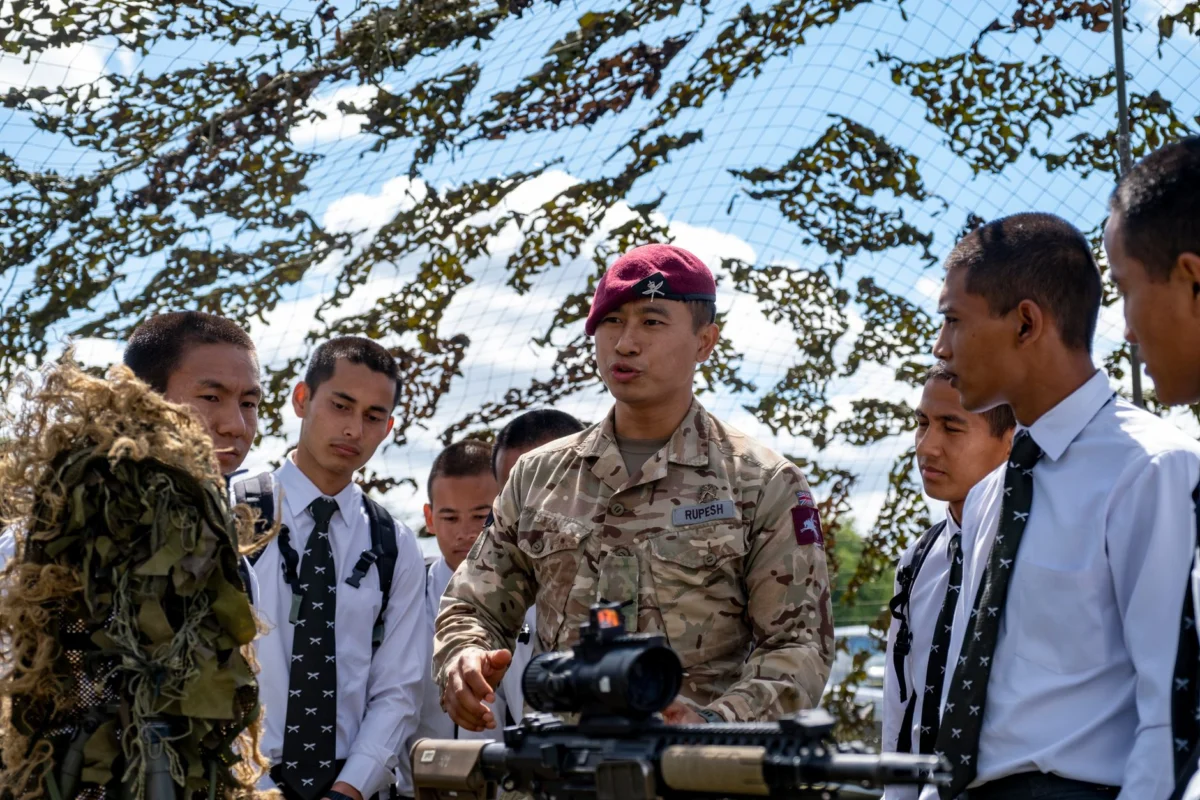
The United States is discussing military training for Syrian forces, according to an exclusive report from Reuters. The discussions signal a potential shift in how Washington engages with armed groups inside Syria after years of limited direct support.
Reuters published the story as an exclusive, indicating the information comes from sources not previously disclosed publicly. The report does not specify which Syrian forces are under consideration, the scope of any proposed training, or whether a final decision has been reached.
Key Facts
- United States discussing military training for Syrian forces
- Report published exclusively by Reuters
- Discussions are ongoing, not yet finalized
- No specific groups, timeline, or authorization details disclosed
- Story sourced from unnamed officials familiar with the talks
What the discussions involve
Military training discussions between the United States and Syrian forces typically cover tactical instruction, equipment familiarization, and operational planning. Such programs have historically included small-unit tactics, medical training, and coordination with coalition assets. The Reuters report does not detail the curriculum, duration, or location of any proposed training.
Previous U.S. training efforts in Syria focused on specific partner groups vetted for counter-ISIS operations. Those programs faced challenges including recruitment, retention, and diversion of equipment. Any new initiative would need to address those lessons while navigating a more complex battlefield environment.
Who are the Syrian forces?
The term Syrian forces encompasses multiple armed actors operating across the country. These include the Syrian Democratic Forces — a Kurdish-led coalition partnered with the U.S. against ISIS — as well as various opposition groups in northern and southern Syria. The Syrian government military, backed by Russia and Iran, represents a separate category entirely.
Reuters does not identify which faction or factions are part of the current discussions. The distinction matters because U.S. legal authorities, congressional oversight, and regional alliances differ sharply depending on the recipient. Training Kurdish-led forces risks tension with Turkey; training Arab opposition groups raises questions about vetting and end-use monitoring.
How did we get here?
U.S. involvement in Syria began with airstrikes against ISIS in 2014 and expanded to include special operations forces and partner training. The train-and-equip program for Syrian opposition forces launched in 2015 but produced limited results and was later scaled back. A separate program supporting the Syrian Democratic Forces continued and contributed to the territorial defeat of ISIS in 2019.
Since then, the U.S. military presence has focused on advise-and-assist missions with the SDF, detention facility security for ISIS prisoners, and occasional strikes against Iranian-backed militias. The reported discussions suggest a reassessment of that posture, though the driver — whether strategic, operational, or political — remains unclear from the single source.
What We Know — and What We Don’t
Verified by the source:
- United States officials are discussing military training for Syrian forces
- Reuters reported the story as an exclusive
- Discussions are at a preliminary stage
Still unconfirmed:
- Which specific Syrian forces or groups are involved
- Whether the discussions have White House or Pentagon approval
- What legal authority would underpin a new training program
- Timeline for any decision or implementation
- Scope, location, or curriculum of proposed training
- Congressional notification or funding status
- Reaction from Turkey, Russia, Iran, or the Syrian government
Why It Matters
Any expansion of U.S. military training for Syrian forces alters the balance of external influence in a conflict zone where at least five foreign powers operate. It could signal a longer-term commitment to partner forces, affect negotiations over Syria’s political future, and test the durability of deconfliction channels with Russian and Turkish militaries. For U.S. lawmakers, the discussions raise familiar questions about mission creep, oversight, and the legal basis for sustained military engagement without new congressional authorization.
What To Watch
Official confirmation from the Pentagon or State Department, details on which forces would receive training, and whether the administration seeks new legal authorities or funding. Congressional hearings or statements from relevant committees would indicate the level of legislative engagement.