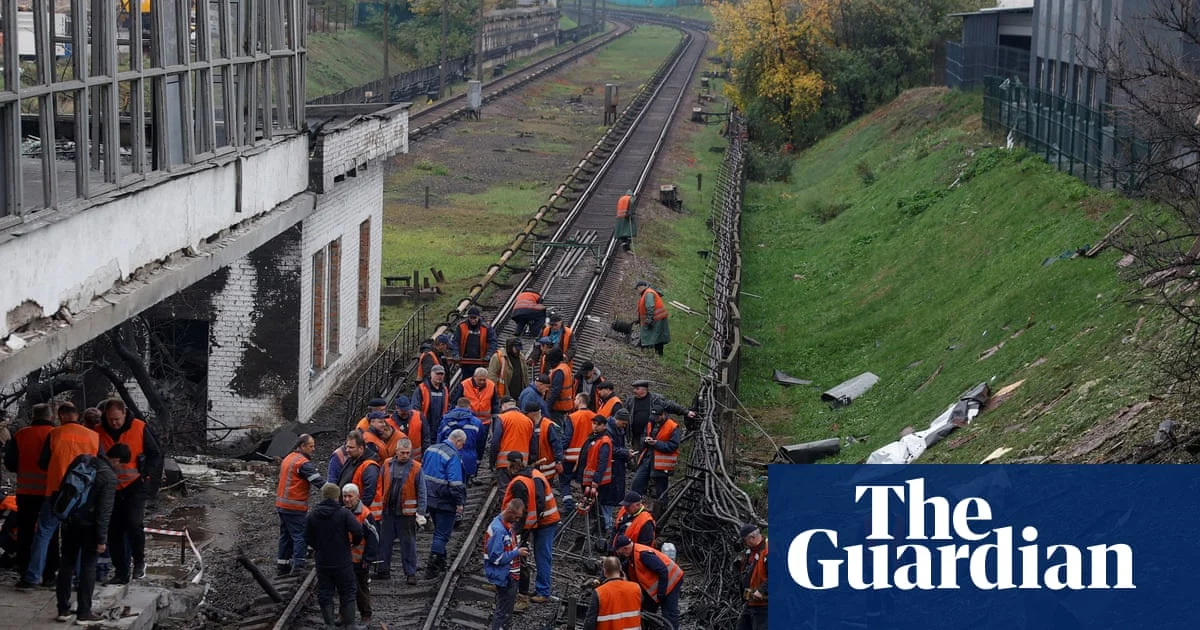
Ukrainian President Volodymyr Zelenskyy said the United States did not provide advance warning before Russian strikes on Kyiv targeted power plants late Sunday evening. His accusation revives concerns that Washington may be withholding intelligence as leverage amid ongoing tensions with former US President Donald Trump. The claim adds to existing friction between Kyiv and Washington over support for Ukraine’s war effort.
Ukraine’s air force spokesperson, Yuri Ihnat, confirmed on Monday morning television that no warning had been issued before the missile barrage struck energy infrastructure in Kyiv around 11 p.m. A government official speaking to The Guardian echoed that statement, reinforcing Zelenskyy’s contention that crucial intelligence was not shared with Ukrainian authorities.
Key Facts
- Ukrainian President Zelenskyy said the US gave no warning of Russian strikes on Kyiv.
- Russian missiles hit power plants in Kyiv around 11 p.m. Sunday.
- Ukraine’s air force said it received no advance notice of the attack.
- A Ukrainian official told The Guardian the US did not issue a warning.
- Zelenskyy accused Washington of “denial of reality” in dealing with Russia.
The Story
What Happened?
According to reports, Russia launched a missile barrage against targets in Kyiv late Sunday evening. The strikes reportedly damaged power plants, disrupting electricity supply in the capital city. Ukrainian officials responded quickly, activating air raid sirens and emergency protocols, but emphasized afterward that they had no prior knowledge of the timing or scope of the assault.
Yuri Ihnat, spokesperson for the Ukrainian air force, appeared on national television Monday morning to confirm that no formal alert had been transmitted from allied partners, including the United States. His remarks corroborate earlier claims made by an unnamed Ukrainian government source to The Guardian, suggesting a breakdown in real-time intelligence cooperation.
These developments come at a fragile moment in U.S.-Ukraine relations. Former President Donald Trump has publicly questioned continued American backing for Kyiv, prompting speculation about potential shifts in policy if he returns to office. Zelenskyy’s public frustration reflects growing concerns within his administration that intelligence sharing might be used as a tool of political pressure rather than genuine military support.
How Did We Get Here?
The controversy stems from longstanding debates over the extent of Western military aid to Ukraine following Russia’s full-scale invasion. Since early 2022, the U.S. has provided billions in weapons, training, and intelligence support. However, recent delays in congressional approval of additional funding have sparked criticism both inside Ukraine and among European allies worried about a shift in U.S. posture under a new administration.
In recent months, senior officials in Kyiv have expressed unease over what they describe as inconsistent communication from Washington. While NATO member states typically coordinate closely during active combat operations, this latest incident highlights how sensitive diplomatic ties can impact battlefield readiness and civilian protection efforts in major cities like Kyiv.
Despite repeated requests for comment from The Guardian, representatives from the U.S. Department of Defense declined to address specific allegations regarding intelligence failures. Analysts note that such disputes often arise when high-stakes decisions involve classified information whose disclosure carries strategic risks—raising difficult questions about trust and transparency between wartime partners.
What We Know — and What We Don’t
Verified by the source:
- Zelenskyy stated publicly that the U.S. gave no warning of the attack.
- Ukraine’s air force confirmed it did not receive an advance alert.
- An official told The Guardian there was no alert issued by the U.S.
- The attack occurred around 11 p.m. Sunday targeting power plants in Kyiv.
Still unconfirmed:
- Whether the U.S. intentionally withheld intelligence or simply failed to detect the threat early.
- The scale of damage caused to the targeted power plants.
- Whether other countries also failed to share warnings or acted independently.
Why It Matters
This dispute underscores the delicate nature of international partnerships during wartime. For Ukraine, receiving timely intelligence is essential not only for defending its cities but also for maintaining public morale and securing ongoing foreign assistance. Any perceived reluctance by major allies to act could embolden adversaries while weakening unity among democratic nations facing shared security threats.
What To Watch
Watch for follow-up statements from either side clarifying whether there were technical or political reasons behind the lack of communication. Officials have yet to respond directly to these allegations, leaving room for further diplomatic tension ahead of upcoming elections in the United States.