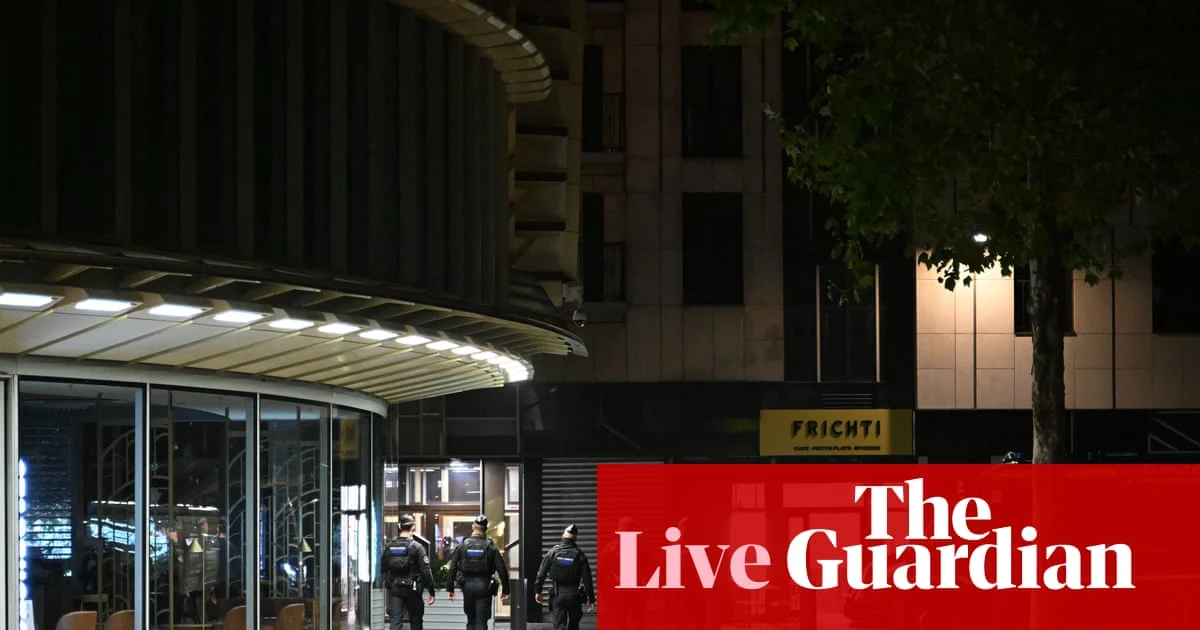
French Prime Minister Sébastien Lecornu said targeted curfews kept French cities calm overnight following weekend protests, while a 40-year-old man was arrested on suspicion of involvement in an arson attack on Limoges town hall.
Lecornu suggested additional curfews could be introduced to prevent further unrest, speaking after a weekend of demonstrations that triggered fires and clashes. The arrest marks the first in connection with the Limoges blaze, which was reported by French media.
KEY FACTS
- French cities were calm overnight after targeted curfews, the prime minister said.
- Sébastien Lecornu suggested more curfews could be introduced to quell unrest.
- A 40-year-old man was arrested over the Limoges town hall arson attack.
- The suspect is described as a far-left activist placed on a watchlist.
- The incident occurred after weekend protests across France.
HOW DID WE GET HERE?
The reported arrest stems from a weekend of protests that French media linked to broader unrest across several cities. Fires and clashes accompanied the demonstrations, prompting authorities to impose targeted curfews in specific areas. These localized measures differ from the nationwide curfews seen in earlier periods of civil tension, focusing enforcement on neighborhoods deemed at higher risk.
Targeted curfews allow authorities to restrict movement in select zones without imposing country-wide lockdowns. This approach follows criticism of broader restrictions, which some viewed as disproportionate. Officials have not detailed criteria for selecting affected neighborhoods, but the strategy aims to balance public safety with civil liberties. The measures come as political leaders navigate public frustration over domestic and international issues.
WHAT HAPPENS NEXT?
Government officials indicated further curfews may be deployed depending on overnight conditions and ongoing assessments of public order threats. The arrested individual remains in custody as investigations continue, with prosecutors expected to decide whether formal charges will be filed. No additional suspects have been publicly named at the time of reporting.
Investigators are reportedly reviewing surveillance footage and witness statements related to the Limoges blaze, which caused significant damage to the historic town hall building. Authorities have not confirmed motives or political affiliations beyond media reports describing the suspect as a far-left activist. Public gatherings remain under heightened scrutiny, though exact restrictions vary by municipality. Updates are expected as the situation develops.
WHAT WE KNOW — AND WHAT WE DON’T
Verified by the source:
- French cities were calm overnight after targeted curfews, according to the prime minister.
- Sébastien Lecornu indicated more curfews could be introduced to address unrest.
- A 40-year-old man was arrested over the Limoges town hall arson attack.
- French media identified the suspect as a far-left activist under watch by security services.
- The unrest followed weekend protests.
Still unconfirmed:
- The specific neighborhoods placed under curfew have not been named.
- Exact details about the suspect’s alleged role remain unknown.
- Formal charges against the suspect have not been announced.
- No official statements from prosecutors or the suspect have been released.
WHY IT MATTERS
This development reflects ongoing challenges facing French authorities as they attempt to restore order after disruptive weekend protests. The use of targeted curfews signals a tactical shift aimed at limiting large-scale disturbances while avoiding blanket restrictions. For residents in affected areas, nightly checks and restricted movement may become routine if tensions persist. Broader implications include potential effects on freedom of assembly and public trust in government response measures. The case also underscores growing concerns about politically motivated violence within domestic activism circles.
Internationally, observers will watch whether France’s approach influences other European nations grappling with civil unrest. As migration pressures, inflation fears, and geopolitical instability fuel dissent, targeted emergency powers may become more common across democracies balancing security and rights. The handling of this episode could shape future policy debates about proportional responses to protest-related incidents.
WHAT TO WATCH
Authorities have yet to announce whether formal charges will be filed against the suspect. Ongoing overnight monitoring of cities will determine if additional curfews are implemented beyond those already active.