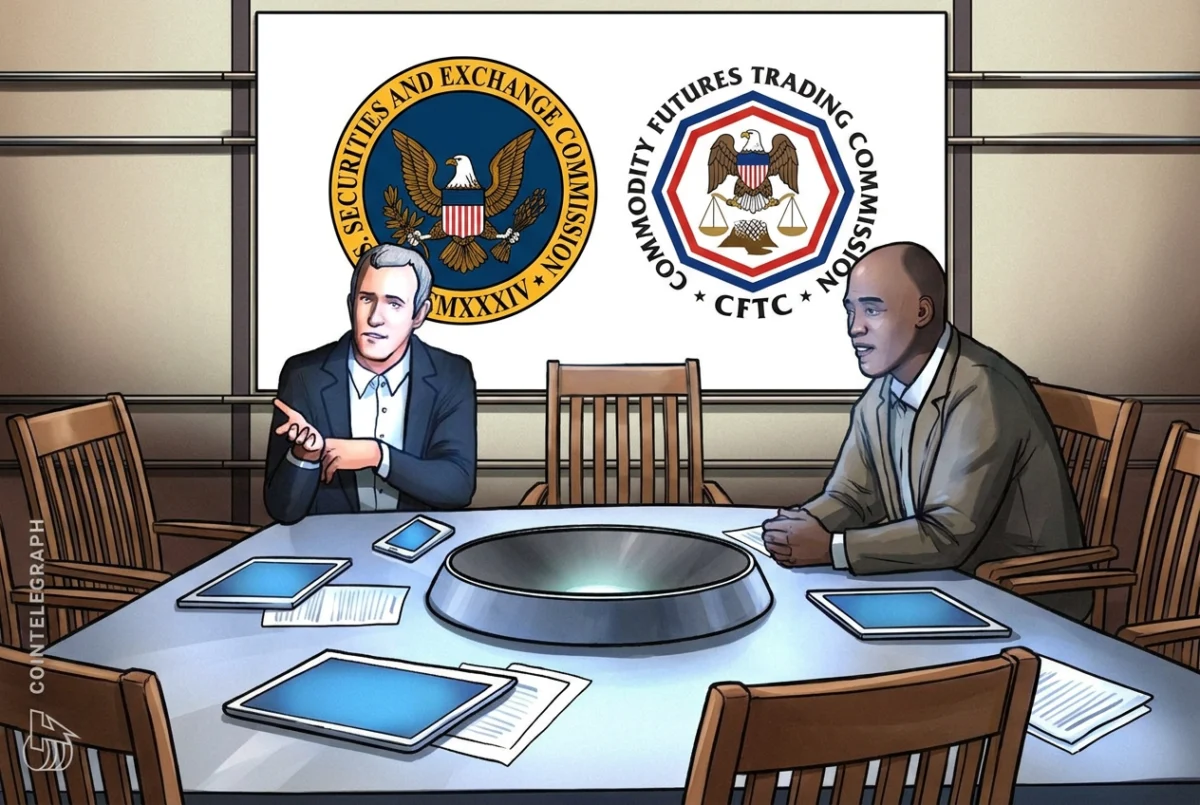
Five commissioner seats at the Securities and Exchange Commission (SEC) and two at the Commodity Futures Trading Commission (CFTC) will become vacant after Friday, following a key resignation that leaves financial regulators with minimal leadership to oversee the $3 trillion crypto industry.
The departure reduces the number of active commissioners at both agencies to just three, raising questions about how the U.S. will regulate digital assets during a period of rapid market growth and evolving enforcement actions. With crypto regulation already a subject of intense debate, the leadership vacuum could reshape the timeline and direction of new rules.
KEY FACTS
- Only three commissioners will remain at the SEC and CFTC after Friday.
- Seven commissioner seats will be empty following a key resignation.
- The agencies oversee aspects of the $3 trillion crypto industry.
What Happens Next?
The SEC and CFTC are responsible for regulating different segments of the cryptocurrency market. The SEC typically handles crypto tokens classified as securities, while the CFTC oversees Bitcoin and other digital assets deemed commodities. With fewer commissioners, the agencies may face delays in approving or blocking new crypto-related proposals, including exchange-traded funds (ETFs) or enforcement actions against major platforms.
Presidential nominations for new commissioners require Senate confirmation, a process that can take months. Until nominees are confirmed, the remaining commissioners must manage day-to-day operations, which could lead to slower decision-making on critical crypto policy issues.
The timing coincides with ongoing legal battles involving major exchanges and renewed calls in Congress for clearer digital asset legislation, adding urgency to questions about regulatory continuity.
Who Is Affected?
Crypto firms, investors, and trading platforms are directly affected by the reduced leadership at the SEC and CFTC. Many have been awaiting clarity on digital asset oversight, particularly as enforcement actions have increased in recent years.
Industry participants often rely on consistent guidance from federal regulators when developing compliance frameworks or launching new products. A leadership gap may slow responses to market developments or delay resolution of key legal disputes involving crypto operations.
Additionally, lawmakers and advocacy groups monitoring crypto regulation may adjust timelines for proposed legislation depending on how the agencies operate during the transition period.
What We Know — and What We Don’t
Verified by the source:
- Seven commissioner seats at SEC and CFTC will be vacant after Friday.
- Three commissioners will remain to oversee operations.
- The agencies regulate parts of the $3 trillion crypto industry.
Still unconfirmed:
- The identity of the resigning commissioner.
- The specific timeline for new nominations and confirmations.
- Immediate impact on pending crypto-related regulatory decisions.
Why It Matters
The stability and staffing of top financial regulators plays a crucial role in shaping how emerging industries like cryptocurrency are governed. With the crypto market valued at roughly $3 trillion globally, any delay or inconsistency in regulatory oversight can influence pricing, compliance costs, and investor confidence across the sector.
The U.S. has yet to pass comprehensive crypto legislation, leaving agencies like the SEC and CFTC to interpret existing laws as they pertain to digital assets. Reduced staffing could intensify pressure on the Biden administration and Congress to fill vacancies quickly or fast-track legislative solutions.
What To Watch
All eyes will be on whether the White House moves quickly to nominate replacements and whether the Senate acts expeditiously to confirm them.
The next major crypto-related decision by the remaining three commissioners will signal whether operations continue smoothly despite the staffing shortfall.
Meta description: Seven SEC and CFTC commissioner seats will be empty after Friday, leaving only three leaders to oversee the $3 trillion crypto industry.