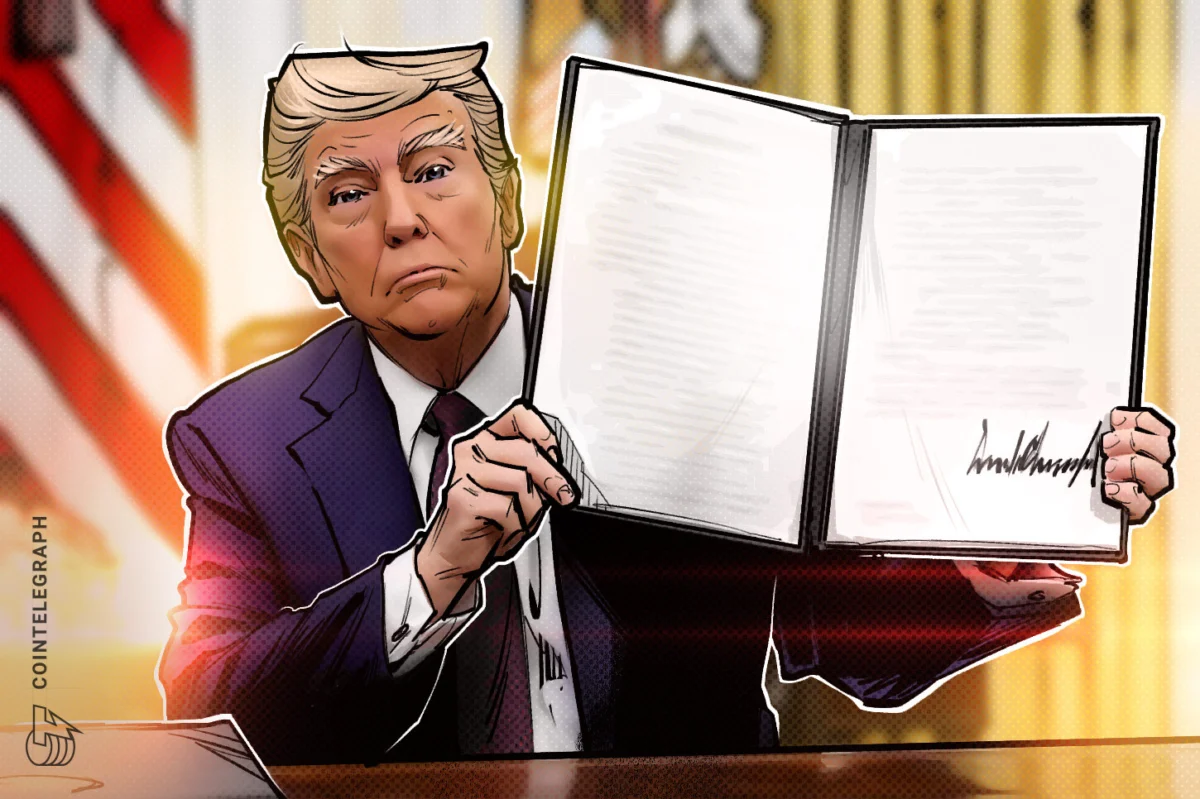
A new voluntary accord tied to Trump-era policymaking asks technology firms to self-police risks connected to frontier AI. The accord places much of the responsibility for managing those risks squarely on developers themselves.
Rather than relying on mandatory regulations, the framework leans on firms to oversee their own frontier AI efforts. This voluntary structure has drawn attention from industry watchers who track how frontier AI governance evolves.
Key Facts
- The accord is described as voluntary, not legally binding.
- Technology firms are asked to self-police their own frontier AI risks.
- Developers bear primary responsibility for managing frontier AI risks.
- The framework is linked to Trump-era policymaking.
How Frontier AI Self-Policing Works
The accord does not establish a federal agency to oversee frontier AI safety standards. Instead, developers are expected to conduct internal reviews and risk assessments around frontier AI systems they build or deploy. Supporters of voluntary approaches often argue that self-policing lets firms adapt quickly while addressing frontier AI concerns.
Critics, however, worry that self-regulation may lack accountability when it comes to frontier AI risks. Without clear enforcement mechanisms, some observers question whether voluntary frontier AI commitments will be enough to prevent harm. Still, the framework signals continued interest in shaping how frontier AI develops in the private sector.
Why This Matters for AI Development
The accord reflects a broader debate over whether frontier AI should face stricter oversight or be guided by industry-led guidelines. Self-policing arrangements are common in fast-moving tech sectors where formal rules lag behind innovation. For frontier AI specifically, experts have warned that unchecked capabilities could pose unique societal risks if left entirely to company discretion.
Because the accord is voluntary, participation ultimately depends on each firm’s willingness to adopt frontier AI safety practices. Whether more companies join or governments later impose mandatory frontier AI rules remains uncertain.
What We Know — and What We Don’t
Verified by the source:
- The framework is described as a voluntary accord.
- Firms are asked to self-police frontier AI risks.
- Developers carry most of the responsibility for frontier AI oversight.
- The initiative is tied to Trump-era policymaking.
Still unconfirmed:
- Which specific firms signed the accord.
- Numerical targets or timelines for frontier AI compliance.
- Enforcement details or penalties for non-participation.
- Exact dates when the accord was circulated or accepted.
In an era of rapid AI advancement, voluntary commitments shape how frontier AI enters the market even as lawmakers weigh stricter rules. Read more on tech and AI policy.
Why It Matters
As frontier AI systems grow more powerful, governance choices made today could influence how safely those capabilities roll out across trading, finance, and consumer platforms for years to come.
What To Watch
Industry adoption rates and any future regulatory pushback will indicate whether voluntary self-policing becomes the dominant frontier AI governance model.