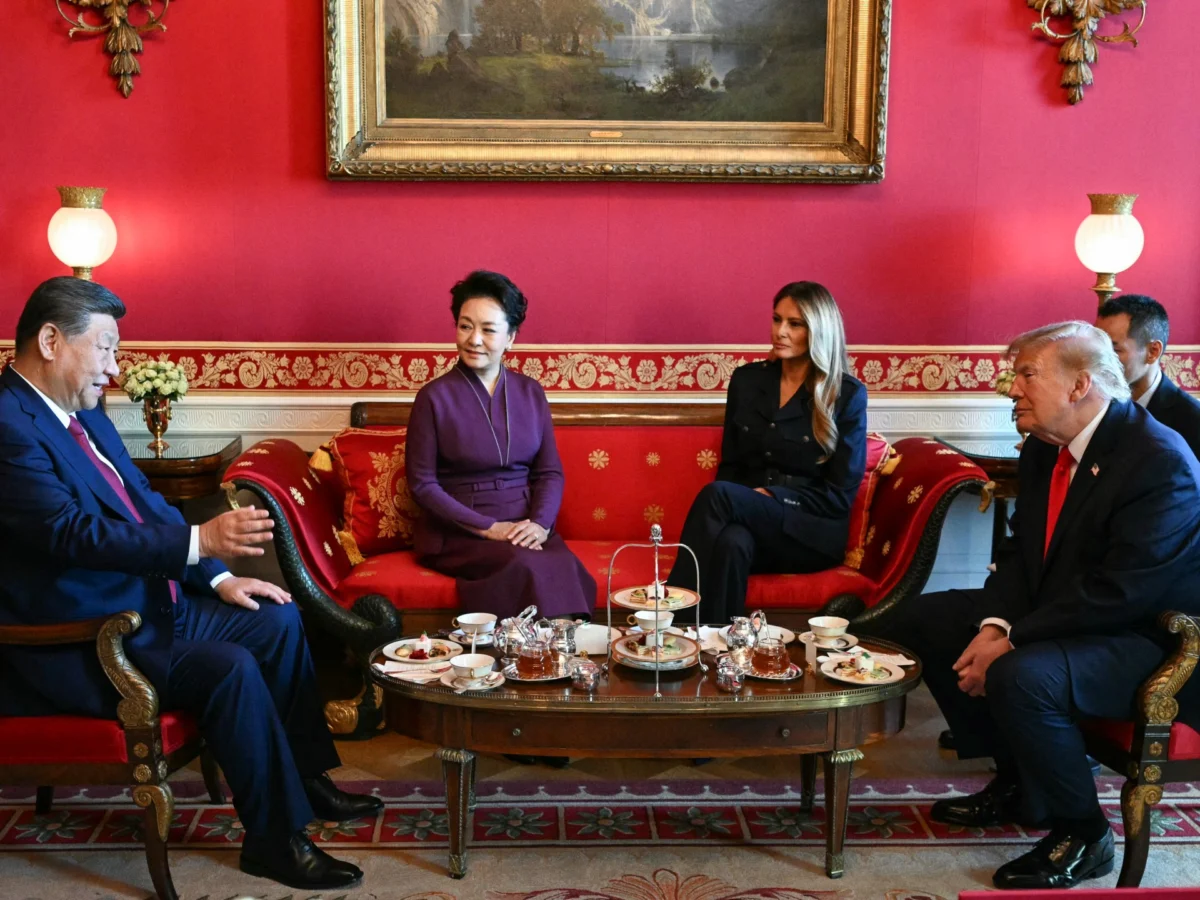
Following a recent summit, the United States and China have agreed to establish a bilateral communication channel focused on artificial intelligence incidents, according to the White House. The move signals a new effort by both nations to coordinate on risks arising from rapidly advancing AI systems.
The agreement comes amid growing international concern over how AI technologies could be used in ways that threaten security or stability. By opening a direct line for incident-related dialogue, the two countries aim to reduce the chance of misunderstandings or escalatory responses tied to AI deployments.
Key Facts
- China and the US agreed to open an AI communication channel.
- The channel is intended to address AI-related incidents.
- The announcement was made by the White House after a summit between the two nations.
- The channel will operate bilaterally between the two governments.
The Story
How did we get here?
The agreement reflects increasing scrutiny of AI development across the globe. As machine learning models become more powerful and autonomous, governments are seeking mechanisms to manage potential fallout from misuse or unintended consequences. The United States and China, long viewed as competitors in the AI space, have previously clashed over technology exports, military applications, and data governance policies.
Establishing a communication channel marks a shift toward structured engagement on AI risks. Rather than relying solely on informal diplomacy or public posturing, both sides are creating a formal pathway to report and discuss incidents. This aligns with past efforts in other domains such as cybersecurity and aviation safety, where crisis communication frameworks have helped prevent escalation.
Critical questions remain about how the channel will function in practice. Who will staff the liaison roles, what constitutes a reportable incident, and how quickly responses must occur are not yet detailed. Observers note that successful implementation would require trust-building measures and clear protocols agreed upon by both parties.
What happens next?
Neither government has provided specific timelines for activating the communication channel, nor has it outlined enforcement mechanisms or consequences for misuse of AI systems. Experts suggest that without binding agreements or transparency measures, the channel may serve more as a confidence-building step than a regulatory tool.
Still, officials familiar with the matter indicate momentum behind continued dialogue. Future discussions could expand beyond incident reporting to include joint research initiatives or shared standards for responsible AI deployment. For now, analysts say the channel represents symbolic progress amid otherwise tense bilateral relations.
Who is affected?
Tech companies operating in either country may find themselves subject to new expectations around disclosure and cooperation. Regulators in both jurisdictions have shown interest in holding developers accountable for unsafe AI behaviors. A formal communication link could facilitate faster coordination during emergencies involving advanced AI tools deployed in sensitive sectors like defense, healthcare, or infrastructure.
Beyond corporations, ordinary citizens might benefit indirectly through reduced exposure to harmful AI outcomes. Clearer lines of communication between governments could enable swifter responses to threats posed by deepfakes, surveillance overreach, or automated weapons systems. However, civil society groups caution against granting too much authority to state actors in defining acceptable use of AI.
What We Know — and What We Don’t
Verified by the source:
- The White House confirmed that China and the US agreed to open an AI communication channel.
- The purpose of the channel is to handle AI-related incidents.
- The agreement followed a summit between the two countries.
Still unconfirmed:
- The exact date when the channel will become operational.
- Which agencies or departments will manage the channel.
- The criteria used to define an AI incident eligible for reporting.
descriptionFollowing a recent summit, the United States and China agreed to open an AI communication channel to manage potential incidents involving artificial intelligence technologies, the White House said.
Why It Matters
This development highlights growing recognition among global powers that artificial intelligence poses unique challenges requiring proactive governance. As AI capabilities evolve faster than existing laws, informal channels like this one offer a way to bridge gaps until comprehensive treaties take shape.
For readers concerned about privacy, security, or fairness in AI applications, any mechanism that encourages cross-border cooperation deserves attention. Whether it leads to meaningful change depends largely on follow-through at technical and political levels.
What To Watch
Moving forward, stakeholders should monitor whether similar frameworks emerge in multilateral forums like the UN or G7. Concrete actions taken by either nation to implement or test the AI communication channel would signal deeper commitment to managing AI risks together.