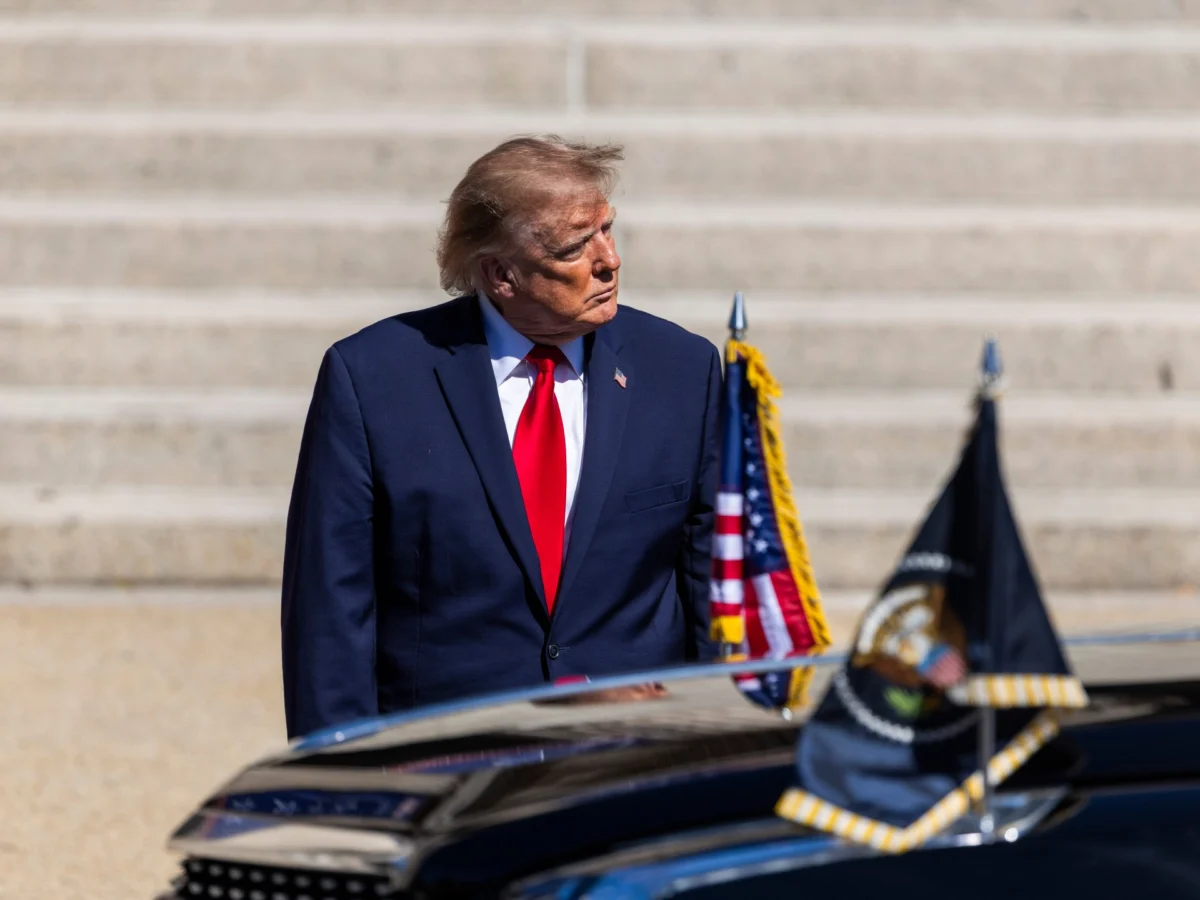
Trump reportedly rejected Iran’s seven-day ceasefire proposal, according to reports cited by Al Jazeera, keeping open the possibility of further military action. Analysts say he may resume attacks on Iran after the November midterm elections. The development comes amid ongoing regional tension and speculation about future U.S. policy toward Tehran.
The reported rejection adds uncertainty to a volatile situation already shaped by past confrontations and diplomatic efforts. With no official confirmation from the White House, both domestic and international observers are left interpreting public commentary and analyst projections. The lack of direct statement from U.S. leadership underscores how fluid and sensitive this matter remains.
Key Facts
- Trump reportedly rejected Iran’s seven-day ceasefire proposal.
- The proposal was said to last seven days, though details remain unclear.
- Analysts believe Trump may resume attacks on Iran after November midterms.
- Reports were cited by Al Jazeera, with no independent verification provided.
- No official confirmation has been issued by the White House or Pentagon.
The Story
What happens next?
According to the summary, analysts suggest Trump might consider resuming attacks on Iran after the November midterm elections. While no timeline or specific plan was outlined in the source, such a delay would align with patterns where major foreign policy decisions are postponed until after domestic electoral outcomes. However, since these predictions come solely from unnamed analysts, their basis cannot be independently verified without further source material.
Regional stability hinges not only on whether hostilities resume but also on diplomatic pathways yet unexplored. A renewed conflict could complicate ongoing negotiations involving other global powers, including those mediating indirect talks between Washington and Tehran. Yet, absence of clarity from official channels leaves room for speculation rather than fact-based analysis.
Who is affected?
This development primarily impacts two nations — the United States and Iran — along with broader Gulf security dynamics. Both countries have previously engaged in rhetoric-filled standoffs, affecting energy markets and alliance structures across West Asia. Regional allies and adversaries alike monitor each move closely due to implications for trade routes, refugee flows, and proxy conflicts.
Beyond government entities, ordinary citizens in both regions face elevated risks during periods of heightened military preparedness. Economic sanctions already imposed often ripple into humanitarian sectors, influencing everything from medicine imports to banking access. Still, without explicit names or roles beyond “analysts,” individual accountability remains undefined in this report.
How did we get here?
Past tensions trace back years, marked by incidents like drone shoot-downs, naval confrontations, and cyberattacks attributed to either side. These precedents contribute to current skepticism around de-escalation initiatives such as the alleged ceasefire offer. Though brief pauses have occurred historically, they’ve rarely held long-term traction amid deeper mistrust between governments.
Media coverage frequently highlights statements from anonymous officials or expert commentary instead of concrete documentation. That trend continues here, with minimal disclosure available publicly regarding internal deliberations within national security councils or defense departments. Consequently, readers must rely heavily on interpretation layers added by journalists summarizing leaked or secondhand information sources.
What We Know — and What We Don’t
Verified by the source:
- Trump reportedly declined an Iranian seven-day ceasefire deal.
- Unnamed analysts predicted possible renewed attacks post-November midterms.
- Al Jazeera reported these claims without citing additional corroborating outlets.
Still unconfirmed:
- The actual content or legitimacy of the original ceasefire proposal.
- Names or affiliations of the analysts referenced in the summary.
- Whether any formal military planning exists behind public remarks or leaks.
- Official responses from Iran or third-party mediators commenting on the matter.
Why It Matters
Geopolitical tensions involving nuclear-capable states carry significant consequences globally, particularly when tied to democratic election cycles elsewhere. Uncertainty fuels market volatility, investor caution, and potential misalignment among diplomatic stakeholders navigating complex bilateral histories.
What To Watch
Monitor for any official remarks from the White House press secretary or Iranian foreign ministry addressing the status of negotiations moving forward.
Meta description: Trump reportedly rejected Iran’s seven-day ceasefire proposal, with analysts predicting possible renewed attacks after November midterms.