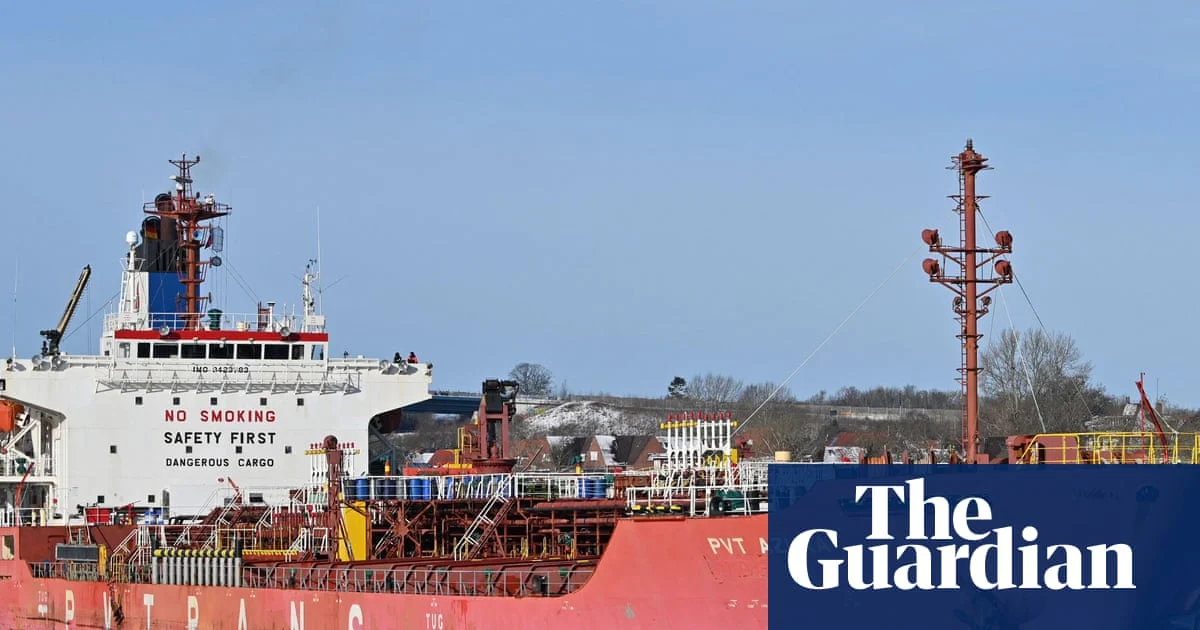
Seven oil tankers carrying an estimated 288,000 tonnes of Russian diesel are sailing towards the US, though uncertainty remains over whether they will be able to unload the cargo. The shipments, tracked by the pressure group Greenpeace, represent the first phase of a supply deal negotiated between Presidents Donald Trump and Vladimir Putin earlier this month.
The developing situation highlights ongoing tensions around sanctions policy and energy trade between the US and Russia. While the tankers are en route, questions linger about port access, regulatory approval, and the legal framework governing these shipments.
Key Facts
- Seven oil tankers are carrying an estimated 288,000 tonnes of Russian diesel towards the US.
- The shipments were tracked by Greenpeace, a pressure group monitoring maritime activity.
- The transport is described as the first phase of a supply deal negotiated between Presidents Donald Trump and Vladimir Putin.
- Sanctions on Russian oil were reportedly reversed as part of the deal.
- There is uncertainty over whether the vessels will unload amid a political row about legality.
The Trump-Putin Deal
The movement of Russian diesel tankers toward US waters follows a recently announced agreement between US President Donald Trump and Russian President Vladimir Putin. According to reporting, the deal reverses years of sanctions previously imposed on Russian oil exports. This marks a notable shift in US-Russia energy relations, especially after extended periods of economic restrictions targeting the Russian energy sector.
The agreement reportedly includes phased deliveries, with these seven tankers representing the initial stage. However, the practical implementation of such deals often encounters logistical and regulatory hurdles, particularly when prior sanctions regimes are involved.
What Happens Next?
As the tankers approach US territorial waters, attention is likely to turn to port authorities, customs officials, and regulatory agencies. Any delay or refusal to allow unloading would signal continued friction despite the diplomatic agreement. Conversely, successful delivery could open the door for further shipments under the same arrangement.
Legal experts suggest that even diplomatic agreements may face domestic political pushback, especially if concerns arise regarding compliance with existing legislation or public sentiment toward Russian energy imports.
What We Know — and What We Don’t
Verified by the source:
- Seven oil tankers are en route to the US with 288,000 tonnes of Russian diesel.
- Greenpeace tracked the vessels.
- The shipments are part of a deal between Trump and Putin.
- Previous sanctions on Russian oil were reportedly lifted.
- Unloading permission remains unclear.
Still unconfirmed:
- Exact ports where tankers intend to dock.
- Total number of phases planned under the deal.
- Whether US law permits unrestricted unloading of sanctioned-origin fuels.
- Official responses from US or Russian governments.
Why It Matters
Russian diesel tankers heading to US shores underscore shifting dynamics in transatlantic energy cooperation. For consumers, increased fuel imports could influence pricing. For policymakers, navigating geopolitical trade while managing domestic politics presents enduring challenges. Related developments in global commodity flows fall under broader trends covered in our [economy-markets](/category/economy-markets) and [war-geopolitics](/category/war-geopolitics) sections.
What To Watch
Observers will watch whether US ports authorize unloading, and whether any legal or political obstacles emerge during the process.