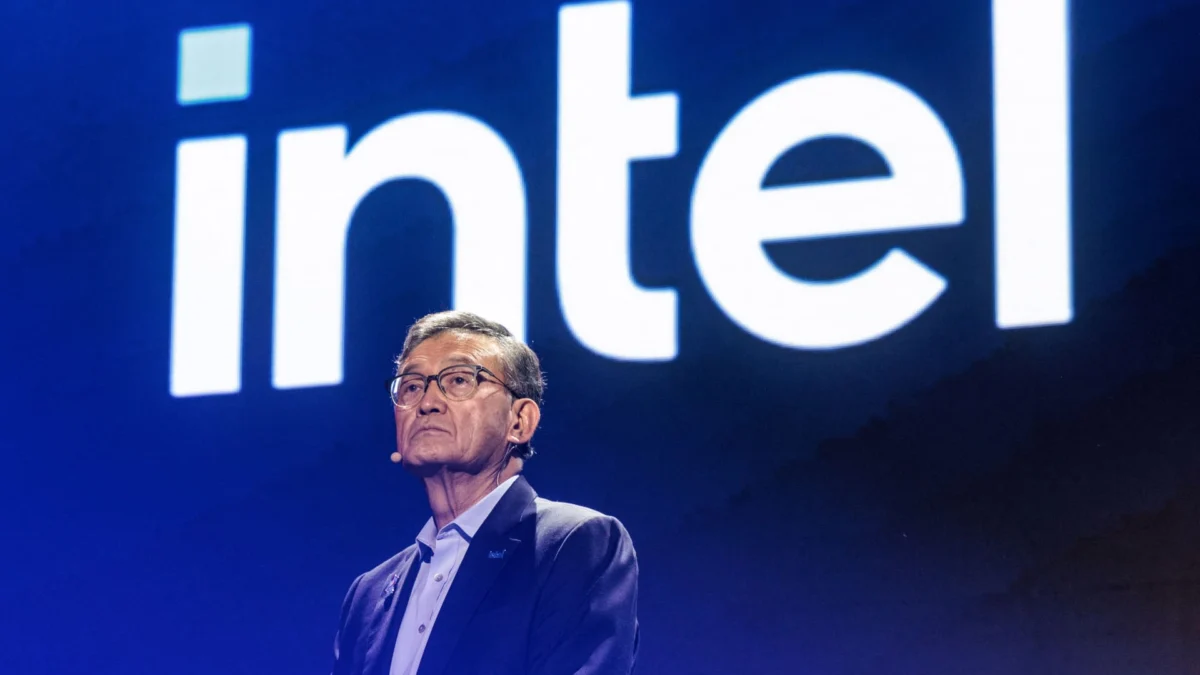
Intel stock plunge highlights renewed investor concern as the chipmaker projected disappointing results, citing a weakening PC market as demand slows.
The drop underscores how Intel stock plunge can reverse quickly even for companies once favored for AI-related momentum. Shares fell sharply after the company issued guidance that fell short of expectations.
KEY FACTS
- Intel stock fell 21% following weak earnings guidance.
- The company cited a slowing PC market as a key factor.
- Intel had been viewed positively this year for AI market entry.
- PC demand weakness weighed on the company’s outlook.
THE STORY
What happens next?
Investors will likely watch upcoming earnings calls and product announcements for signs of recovery. The company’s ability to offset PC declines with AI-focused growth remains uncertain.
Market analysts may revise forecasts in coming weeks. Trading activity suggests continued volatility around Intel’s strategic moves.
How did we get here?
Earlier this year, Intel gained attention for its expansion into artificial intelligence hardware. That momentum helped buoy shares despite long-standing challenges in the PC sector.
However, the broader PC market has shown signs of contraction. Slower consumer and enterprise spending on traditional computing devices has reduced demand for Intel’s core processors.
Who is affected?
Beyond shareholders, suppliers in Intel’s ecosystem may face revenue pressure. Technology sector investors are also reassessing expectations for chipmakers facing mixed demand signals.
Pension funds and index investors holding Intel stock are among those impacted by the decline. Employees with stock-based compensation may also see value diminish.
WHAT WE KNOW — AND WHAT WE DON’T
Verified by the source:
- Intel stock dropped 21% after issuing weak guidance.
- The company linked the outlook to a slowdown in the PC market.
- Intel was previously praised for entering the AI chip space.
Still unconfirmed:
- Exact timing and magnitude of future PC market recovery.
- Specific financial figures beyond the stock percentage drop.
- Internal decision-making or executive commentary on strategy shifts.
WHY IT MATTERS
This development reflects ongoing uncertainty in the global technology supply chain and shifting investor priorities. As AI adoption grows, companies must balance legacy markets with emerging opportunities.
WHAT TO WATCH
Market observers should monitor Intel’s next earnings report and any updates on its AI product roadmap. Analyst reactions may further clarify whether this decline signals a temporary correction or deeper structural concerns.