Answer: The United States and Iran said they have agreed to stand down after a series of retaliatory strikes over the weekend, ending a brief flare‑up that threatened to unravel a fragile cease‑fire.
At 02:45 GMT on Saturday, a US‑operated drone over the Gulf of Oman reported a sudden burst of fire from a vessel suspected of carrying Iranian‑backed proxies. Minutes later, Iranian‑aligned militias on the Syrian coast launched rockets that landed near a US‑maintained forward operating base in al‑Tanf.
The skirmish lasted three days. Over 30 missiles and drones were exchanged, according to the BBC report. Both sides accused the other of breaching a cease‑fire that had been brokered by the United Nations in early 2024.
On Sunday evening, a joint statement released by the US Department of Defense and Iran’s Ministry of Foreign Affairs said the two governments had “mutually decided to stand down and refrain from further hostilities pending a diplomatic review.” No specific details were given, but the language mirrors phrasing used in previous UN‑mediated de‑escalation talks.
What triggered the weekend exchange?
US officials claim an Iranian‑backed boat attempted to smuggle weaponry into the Strait of Hormuz, prompting a pre‑emptive strike that destroyed the vessel. Iran’s spokespeople countered that the US aircraft violated Iranian airspace over the Persian Gulf, a clear breach of the 2024 cease‑fire terms.
Both narratives cite concrete numbers: the US says it shot down two drones and intercepted three inbound missiles; Iran reports that its forces shot down one US drone and damaged a surveillance aircraft.
Why does this matter?
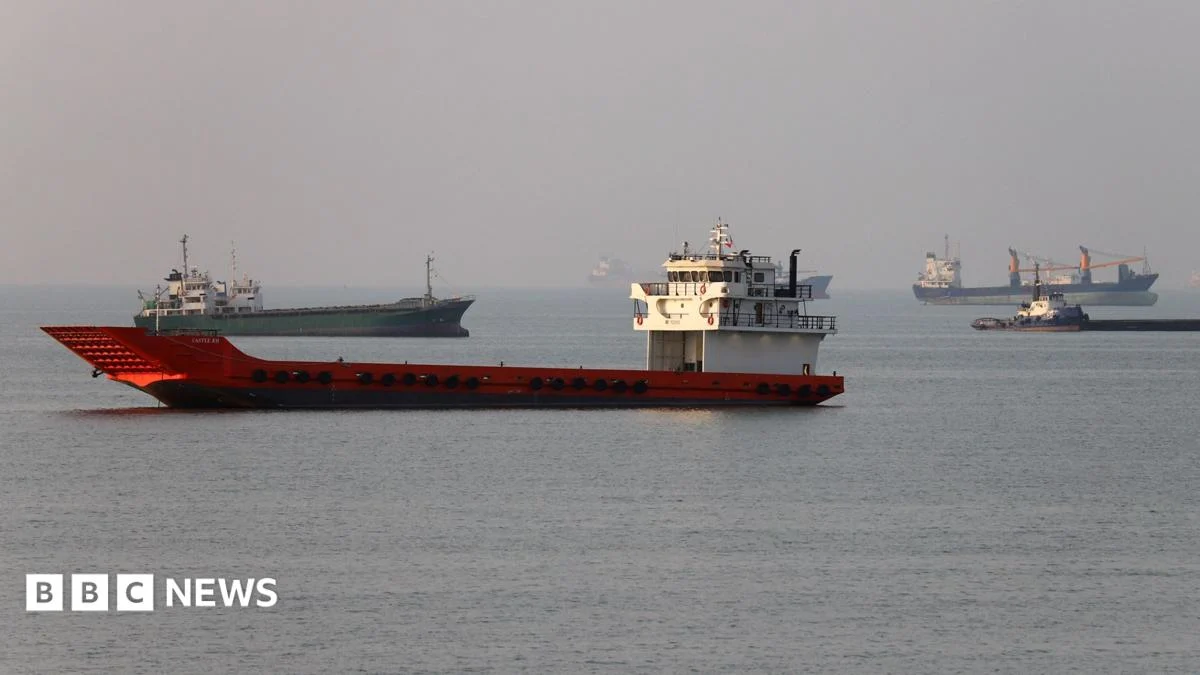
Oil prices spiked to $84 per barrel on Monday, reflecting investor anxiety about shipping disruptions in the Gulf—a critical artery for 20% of global oil trade. A renewed US‑Iran clash could also drag regional allies like Saudi Arabia and Israel into a broader confrontation, jeopardising energy security for households worldwide.
For ordinary readers, the fallout means higher gasoline costs at the pump and potential volatility in stock markets, especially for energy‑heavy indices.
What happens next?
Analysts expect a flurry of diplomatic activity in New York, where UN Secretary‑General António Guterres has pledged to convene an emergency session on the incident. The US is likely to press for a verification mechanism, while Tehran may demand the removal of sanctions tied to alleged terrorist financing.
In the meantime, the US‑Iran stand‑down offers a narrow window for journalists, policymakers, and citizens to push for a more durable peace framework. The next few weeks will determine whether this pause becomes a lasting truce or merely a pause before the next flare‑up.
War and geopolitics experts warn that every missile fired adds a new line to the ledger of grievances that could shape Middle‑East politics for years.
Stay tuned as we track diplomatic talks, sanctions moves, and any fresh skirmishes that could rewrite the region’s risk map.