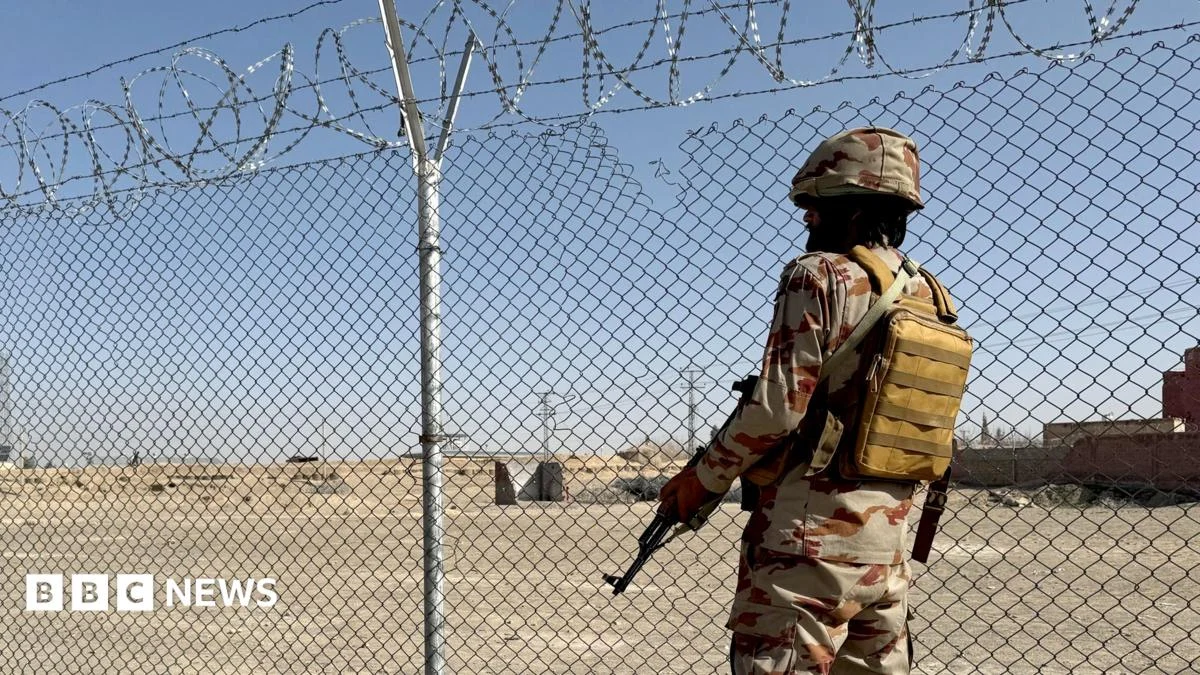
At 03:45 a.m. local time, the roar of artillery echoed across the rugged Khyber Pass, sending plumes of dust over villages that woke residents to a sudden, deadly barrage.
Pakistan border strikes began just hours after Islamabad blamed “recent terrorist attacks against innocent people” for the offensive.
What prompted the Pakistan border strikes?
The military said the attacks were a direct response to a series of bombings in the north‑western city of Peshawar that killed at least 23 civilians on Monday. No group claimed responsibility, but officials linked the violence to militants operating from across the Afghan border.
Pakistan’s armed forces launched precision strikes on three suspected insurgent hide‑outs in the tribal areas of Nangarhar, Afghanistan. Local sources reported at least five militants killed and several unmanned drones destroyed.
Why does this matter?
Escalation along the 2,670‑kilometre border threatens already fragile peace talks between the Afghan Taliban and the Pakistani government. Any spill‑over could disrupt trade routes that move roughly $2.5 billion of goods a month, tightening economic pressure on both nations.
For ordinary citizens, the risk is concrete: families in border districts have fled homes, and humanitarian agencies warn that aid convoys could be delayed.
Analysts note that the strikes may also test the limits of a new U.S.‑approved drone‑sharing agreement with Pakistan, which aims to curb cross‑border militancy without deepening the conflict.
Who is affected?
Beyond the militants, the immediate victims are civilians living in the villages of Miran Shah and Khost, where casualties were reported but not yet confirmed. NGOs operating in the region have called for an independent investigation into possible civilian harm.
International observers, including the United Nations, have urged restraint, warning that unchecked retaliation could ignite a broader insurgency that would reverberate through the war‑geopolitics landscape.
What happens next?
Pakistani officials say they will continue “targeted” operations until the terrorist network is dismantled. The Afghan government, however, has denied any involvement and warned of “sovereignty violations.”
Watch for diplomatic talks in Islamabad next week, where both sides may seek a cease‑fire or risk a spiral of retaliation.
Stay tuned as the situation evolves – the next round of strikes could reshape security dynamics across South Asia.