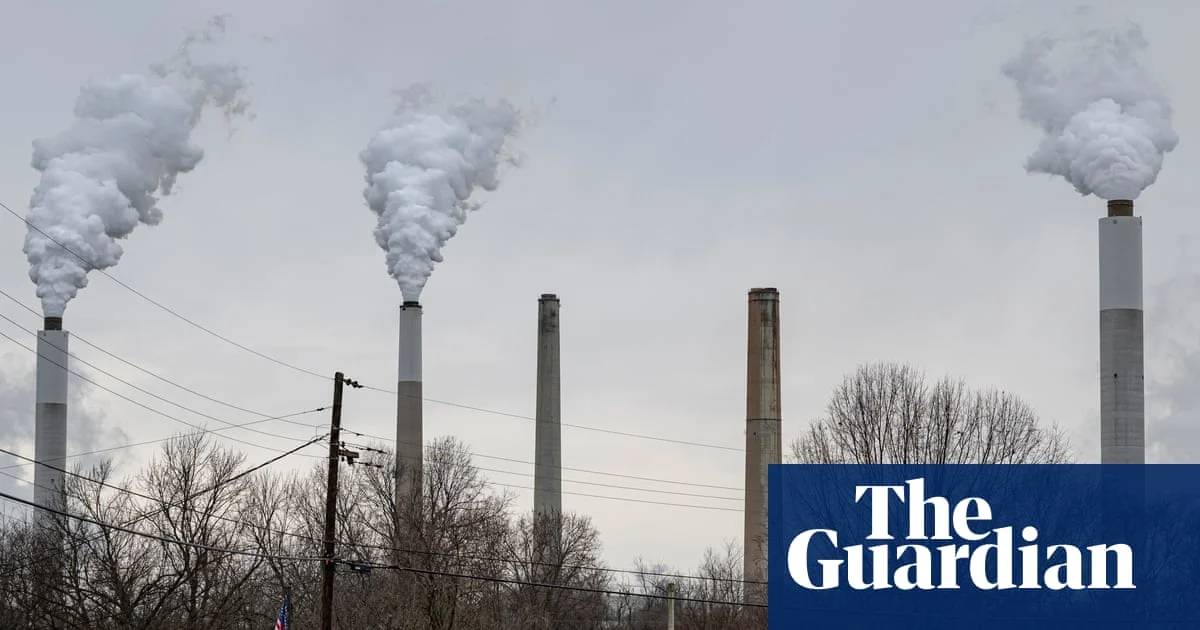
The world must cut carbon emissions by almost one-fifth within four years to stand any realistic chance of limiting global temperature rise, the United Nations said.
According to the UN Environment Programme, such rapid emissions cuts are necessary to avoid overshooting the 1.5C target by a dangerous margin. While the organization acknowledged that the window for holding warming exactly to 1.5C has closed, it said limiting any temporary overshoot remains possible.
Key Facts
- The world needs to cut carbon emissions by nearly a fifth (18%) in the next four years, 18%.
- Cuts of close to half are required within a decade to prevent a disastrous overshoot of climate targets.
- The UN Environment Programme (Unep) issued the warning.
- The window has closed on holding temperature rises to 1.5C, but limiting the overshoot is still possible.
- Failure to act risks overshooting climate targets by a disastrous margin.
How Did We Get Here?
The UN Environment Programme regularly assesses global progress toward climate goals through its Emissions Gap Report. This latest analysis examines the gap between projected emissions and the pathway required to limit long-term warming.
Scientists have long warned that global emissions must peak by mid-century and then decline rapidly to reach net-zero. The 1.5C target, endorsed by the Paris Agreement, aims to cap warming at a level scientists consider less catastrophic than higher thresholds.
The UN’s latest statement underscores how current national commitments and policies leave a substantial gap between projected outcomes and what climate science requires. That gap, if unaddressed, increases the likelihood of crossing critical warming thresholds.
What Happens Next?
The UN emphasized that while the strict 1.5C goal may no longer be fully achievable, efforts to limit any temporary breach remain critical. The difference between a brief overshoot and sustained warming above 1.5C depends heavily on policy choices made in the coming years.
Countries are expected to update their nationally determined contributions under the Paris Agreement. Analysts say stronger near-term commitments would significantly narrow the projected emissions gap.
Delayed implementation or weaker-than-projected ambition could lock in higher warming trajectories. Markets and investors are already factoring climate risk into asset valuations and corporate reporting standards.
Who Is Affected?
Governments, businesses, and financial institutions remain the primary audiences of the UN’s call for urgent emissions reductions. Economies tied to carbon-intensive sectors face increasing pressure to decarbonize.
Developing nations have reiterated concerns about financing and technological support needed to transition cleanly. The UN has repeatedly highlighted that climate action must be paired with equitable support mechanisms.
Insurance firms, energy companies, and supply-chain operators are among those adapting to new regulatory and market signals driven by emissions expectations.
What We Know — and What We Don’t
Verified by the source:
- The world needs to cut emissions by 18% in four years.
- Near-half reductions are needed within a decade.
- The UN Environment Programme issued the warning.
- The 1.5C overshoot risk is classified as disastrous without faster cuts.
- Limiting any temporary overshoot is still possible.
Still unconfirmed:
- Exact baseline year for the 18% emissions figure.
- Region-specific timelines or responsibilities.
- Names of specific policymakers involved.
- Mechanisms that will enforce or track progress.
Why It Matters
Climate projections rely on cumulative emissions. Faster cuts now reduce long-term economic disruption, lower adaptation costs, and improve chances of reaching net-zero targets without triggering irreversible feedback loops that could raise global temperatures beyond safe levels for human society.
What To Watch
Upcoming UN climate meetings and revised national climate plans will signal whether countries align with the emissions trajectory the UN describes as necessary.
Meta description: The UN warns global emissions must fall 18% in four years to avoid a dangerous overshoot beyond 1.5C, even as the strict target window closes.
Economy and markets continue to reflect climate risks in investment decisions, while climate environment reporting tracks policy alignment with emissions goals.