Lede
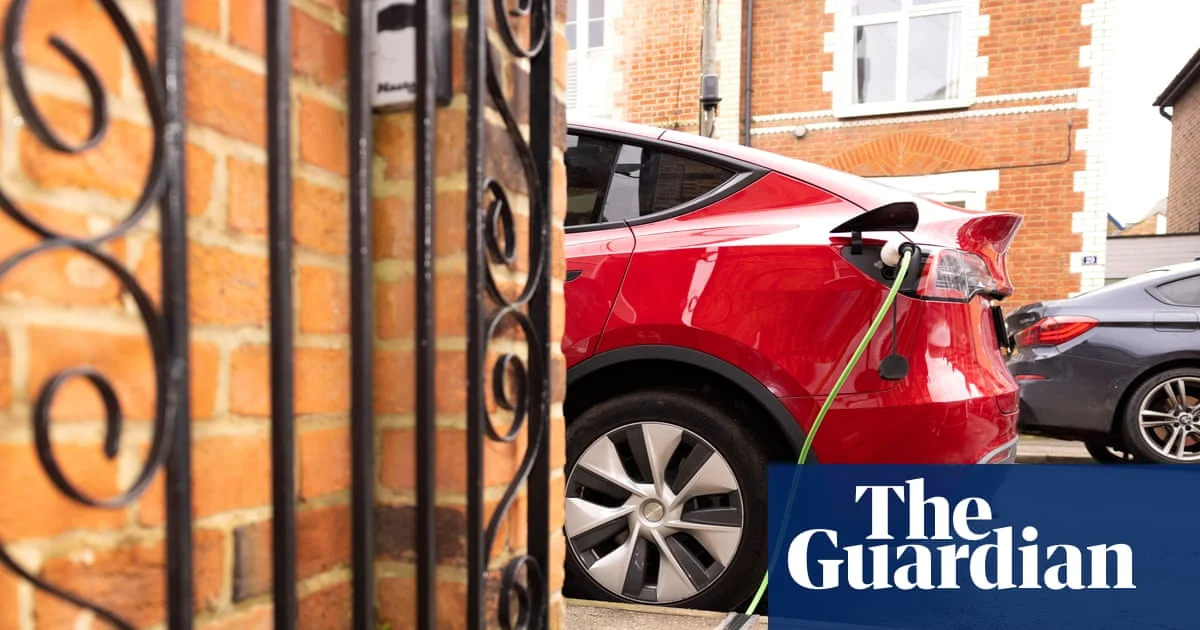
A change in the law may allow some electric vehicle (EV) drivers in England without off-street parking to reduce charging costs by installing cross-pavement gullies. However, availability appears to depend heavily on where people live, raising concerns about unequal access.
Alison Williams, who owns an electric Volkswagen ID.3 and lives in a terraced house in London, hoped the new regulations would let her charge her car more affordably at home. Despite upgrading her property with insulation and solar panels, she still cannot install the necessary infrastructure due to local restrictions.
Key Facts
- New rules could allow EV drivers to cut charging costs by installing cross-pavement gullies.
- Homeowners without driveways are affected, particularly those in terraced housing.
- Installation of cross-pavement gullies remains blocked for some, despite legal changes.
- The rollout is described as a “postcode lottery”, meaning access varies by region.
The Story
What happens next for the cross-pavement gully scheme?
The change in legislation opens the door for residents to apply for permission to lay narrow cable channels across public pavements. These gullies connect private properties to street-side charging points, enabling overnight charging without requiring off-street parking. But councils retain discretion over approval, leading to inconsistent implementation across regions.
Who is affected by the postcode lottery?
Terraced homeowners and residents of flats without private parking spaces form the primary group impacted by these restrictions. While they benefit environmentally from switching to EVs, many face higher charging costs compared to those with dedicated home chargers. The disparity grows when comparing urban areas like London—where demand is high—to rural counties where rollout may lag behind.
How did we get here?
EVs have gained popularity as part of broader climate goals aimed at reducing emissions from transport. Previously, only households with garages or driveways could easily install private chargers. As sales increased among city dwellers lacking such amenities, pressure mounted on policymakers to address this gap. The recent regulatory shift reflects growing recognition that equitable access to clean transport options matters for wider adoption.
What We Know — and What We Don’t
Verified by the source:
- A legal change now permits installation of cross-pavement gullies under certain conditions.
- Some homeowners continue to be unable to install them, even after the rule update.
- Access to the technology differs significantly based on geographic area (“postcode lottery”).
- The story features a real resident, Alison Williams, struggling with current limitations.
Still unconfirmed:
- Exact timeline or nationwide rollout schedule for the gully scheme.
- Which specific councils approve or reject applications most often.
- Cost savings claimed versus actual measured reductions for users.
- Full list of eligible neighborhoods or future expansion plans.
Why It Matters
Equitable access to affordable EV charging infrastructure plays a key role in supporting sustainable mobility transitions. When large segments of the population struggle with high-energy bills or inconvenient public charging networks, it slows down progress toward net-zero targets. Ensuring fair treatment across income brackets and neighborhoods helps maintain momentum for green initiatives.
What To Watch
Future updates on which local authorities adopt standardized approval processes will determine how smoothly the EV charging rules translate into widespread practical benefits. Stakeholders await further guidance clarifying eligibility criteria and funding support mechanisms.