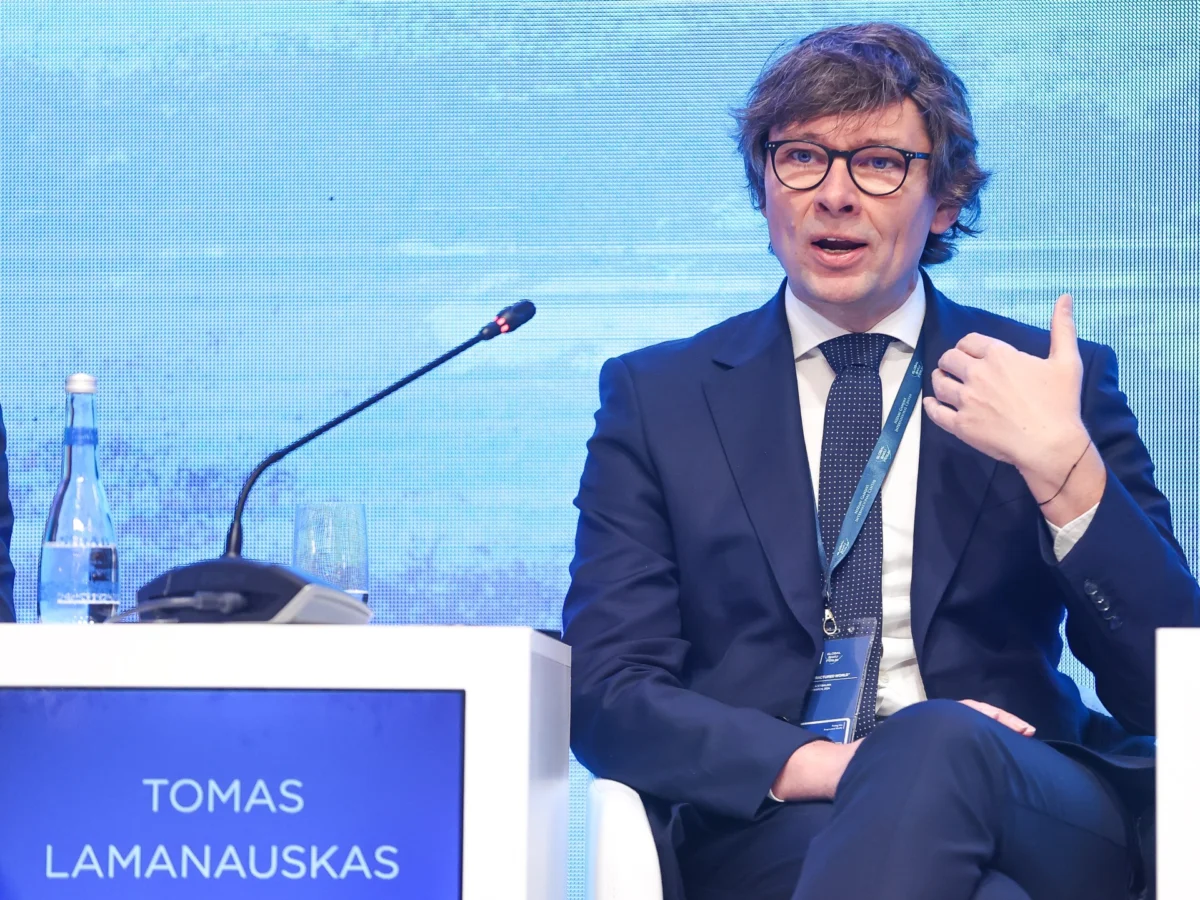
A top United Nations official has warned that the growing gap in access to artificial intelligence — what he described as an AI opportunity divide — could deepen global inequality and leave poorer nations further behind. The deputy secretary-general of the UN’s International Telecommunication Union made the remarks in a recent statement, underscoring concerns that wealthier countries are better positioned to benefit from advances in machine learning and automation.
Speaking on behalf of the UN’s ICT agency, the official highlighted that unequal access to AI means poorer nations may be left behind as the technology reshapes economies worldwide. The warning comes amid broader discussions at the UN about how emerging technologies could exacerbate existing disparities between developed and developing countries.
Key Facts
- A UN deputy secretary-general warned about an AI opportunity divide.
- Unequal access to AI may leave poorer nations behind.
- The UN ICT agency says the divide could deepen global inequality.
- Richer countries are seen as better positioned to benefit from AI.
What Is the AI Opportunity Divide?
The AI opportunity divide refers to the widening gap between those who can develop, adopt, and benefit from artificial intelligence technologies and those who cannot. As AI systems reshape industries such as healthcare, agriculture, finance, and education, countries with strong digital infrastructure, skilled workforces, and research capabilities gain a competitive edge. Nations lacking sufficient investment in technology or internet connectivity risk falling further behind, limiting their ability to participate in the global digital economy.
Experts have long cautioned that without deliberate efforts to bridge this divide, AI could reinforce patterns of exclusion rather than create inclusive growth. The UN official’s comments echo concerns raised by researchers and policymakers about the role of AI governance in ensuring equitable access to its benefits.
Who Is Affected and Why This Matters
Poorer and developing nations are most vulnerable to being left behind in the age of AI, according to the UN ICT agency representative. These countries often face challenges including limited broadband coverage, underfunded educational systems, and weaker institutional capacity to regulate new technologies. When access to AI tools and training remains concentrated in wealthier regions, innovation gaps widen, affecting everything from job creation to public services delivery.
The issue reflects broader themes in digital equity, where access to cutting-edge technology is increasingly tied to national competitiveness and societal progress. Without targeted interventions, the AI opportunity divide may not only deepen economic inequality but also reduce developing countries’ influence in shaping global technology standards and norms.
How Did This Concern Emerge?
Worries about an AI opportunity divide have grown alongside rapid advances in generative AI, machine learning platforms, and automation over the past decade. The UN’s International Telecommunication Union has been tracking global digital development indicators, including internet penetration, device ownership, and skills readiness — all factors that determine how fairly AI is distributed. As demand increases for AI-driven solutions across sectors, the agency has urged member states to prioritize inclusive digital policies that address disparities before they become irreversible.
Discussions around AI governance continue within multilateral forums, with calls for frameworks that ensure responsible use while expanding access. The recent warning signals mounting urgency among UN officials to act on these challenges before the gap becomes entrenched.
What We Know — and What We Don’t
Verified by the source:
- A UN deputy secretary-general addressed an AI opportunity divide.
- The statement was issued through the UN ICT agency.
- The official linked AI inequality to risks for poorer nations.
- Global inequality was cited as a potential consequence.
Still unconfirmed:
- The exact identity or country of the speaking official is not named.
- No specific timeline or policy proposals were provided.
- No data or statistics were cited to quantify the divide.
- The precise audience or context of the remarks remains unclear.
Why It Matters
The uneven distribution of AI capabilities threatens to amplify global inequities already strained by economic and environmental pressures. Ensuring fair access to artificial intelligence is essential for sustainable development and international cooperation in the digital era. Without inclusive strategies, technological progress may benefit only a few while marginalizing many.
What To Watch
Updates from UN bodies monitoring digital equity, especially regarding AI governance initiatives and funding commitments to close the opportunity divide. Follow our coverage of [tech-ai](/category/tech-ai) and [economy-markets](/category/economy-markets) for continued reporting.