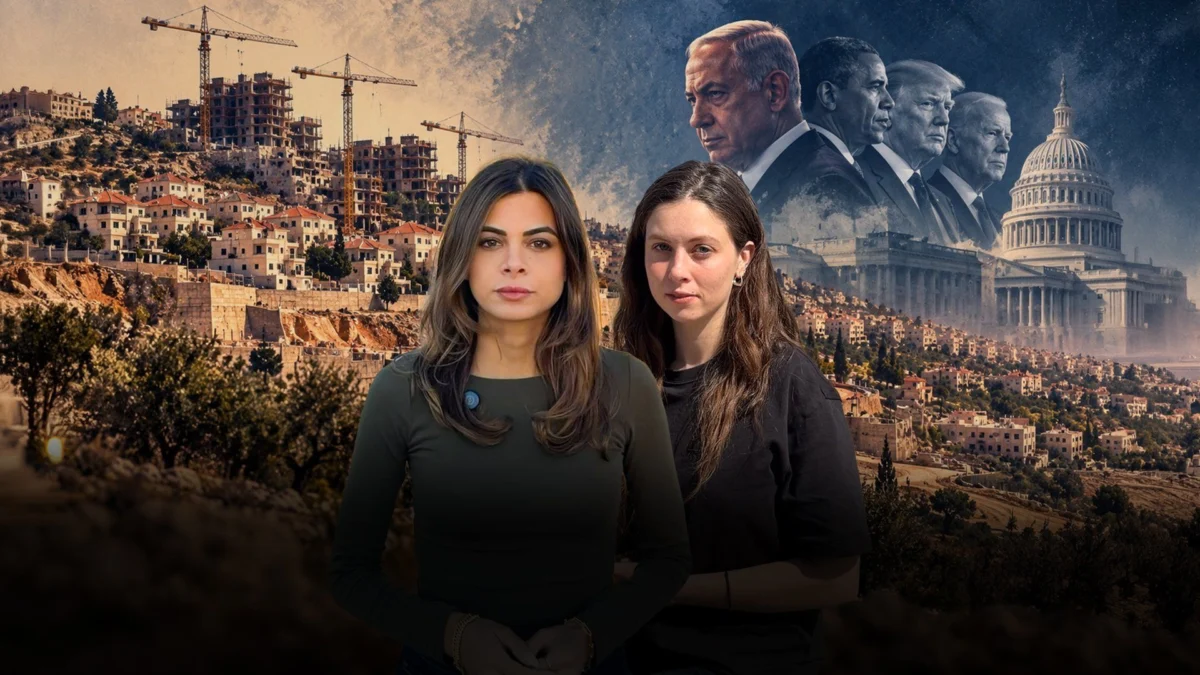
New leaders in both the United States and Israel have taken office, but reporting suggests that settlement activity on occupied Palestinian land continues. Al Jazeera – Breaking News, World News and Video from Al Jazeera highlights this persistence of policy despite electoral turnover in two key allies.
The observation underscores how strategic decisions often outlast electoral cycles in both nations. While campaign promises and political debates dominate public discourse, day-to-day governance — especially around long-standing territorial issues — tends to follow institutional patterns. This dynamic raises questions about the extent to which voting changes translate into shifts in foreign policy implementation.
Key Facts
- Israeli governments have changed over time, while US presidents come and go, per Al Jazeera reporting.
- Settlement expansion on occupied Palestinian land continues, according to the summary provided.
- The article links this continuity to broader electoral cycles in both countries.
SETTLEMENT EXPANSION PERSISTS DESPITE ELECTORAL SHIFTS
How did we get here? Historically, the status of settlements in occupied territories has been a recurring point of tension in Middle Eastern diplomacy. Successive Israeli administrations — regardless of party alignment — have pursued varying degrees of construction in these areas. Similarly, US administrations have issued divergent statements and policies regarding settlement activity, sometimes criticizing expansions and other times adopting quieter stances.
In recent decades, peace negotiations between Israelis and Palestinians have repeatedly stalled or collapsed, leaving the question of settlements largely unresolved. The international community remains divided on whether such expansions violate international law. Meanwhile, domestic political considerations within both nations influence how aggressively or cautiously each government approaches the issue.
What Happens Next?
Who is affected by this ongoing situation? Primarily, Palestinians living under occupation experience direct consequences from settlement growth. Their access to resources like water, land, and movement corridors can shift based on nearby developments. For Israelis, especially those advocating for security or ideological connections to biblical lands, settlements represent deeply held values.
Internationally, global powers including European Union members and regional actors monitor developments closely due to implications for regional stability. In Washington, policymakers must balance support for an ally with criticism from human rights groups and certain diplomatic partners. These pressures ensure that settlement policy remains a sensitive diplomatic topic even amid other pressing global concerns.
SETTLEMENT CONTINUITY SPARKS DEBATE
Beyond immediate impacts lies a larger pattern: enduring conflicts resist quick fixes through elections alone. Even dramatic political upheavals rarely alter foundational national security doctrines overnight. Experts often emphasize structural constraints embedded in bureaucracies, defense establishments, and treaty obligations that limit rapid policy pivots post-election.
This reality affects citizens too. Voters expecting sweeping reforms after casting ballots may grow disillusioned if core policies remain unchanged. Conversely, supporters of existing frameworks see consistency as strength. Regardless of perspective, recognizing these limitations helps frame realistic expectations for democratic input into complex geopolitical matters.
What We Know — and What We Don’t
Verified by the source:
- Israeli governments have changed over time.
- US presidents come and go.
- Settlement expansion on occupied Palestinian land continues.
Still unconfirmed:
- The specific timeframe of this continued expansion.
- Exact locations or scales of recent settlement activity.
- Official responses from either government referenced in the report.
WHY IT MATTERS Whether in Jerusalem or Washington, understanding persistent policies beyond electoral rhetoric matters for informed civic engagement. Citizens worldwide deserve clarity on how their votes align with actual outcomes — especially when those outcomes touch contested lands and fragile peace processes.
WHAT TO WATCH Future statements or actions from either capital could clarify whether US and Israel elections lead to renewed attention on settlement-related questions. Until then, observers note that institutional momentum often overshadows campaign promises in shaping foreign affairs trajectories.