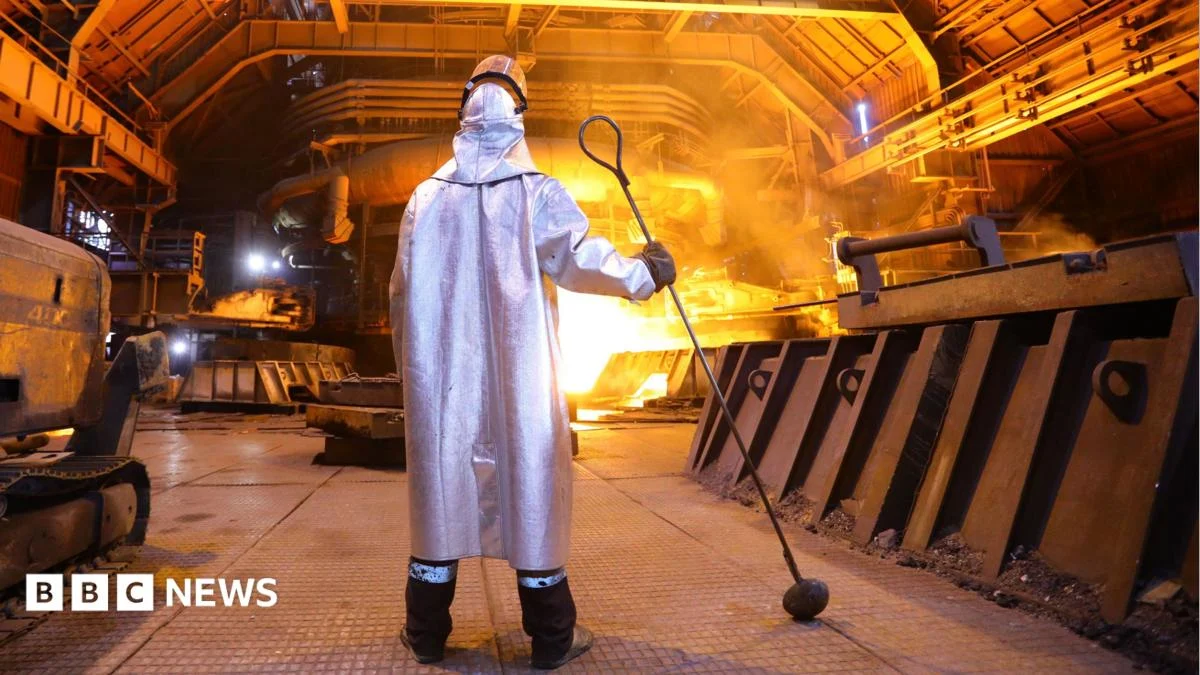
Ukraine’s steel industry has been left in ruins after sustained Russian missile attacks shut down the country’s remaining steelworks, according to BBC News. The sector, long considered vital to Ukraine’s economy, has effectively ground to a halt as a result of relentless strikes targeting industrial infrastructure.
The damage reflects a broader pattern of deliberate pressure on Ukraine’s industrial base, with steel production once forming a cornerstone of national manufacturing and export revenue. The halt in operations marks a significant blow to a sector that has already faced years of conflict-related disruption.
Key Facts
- Ukraine’s steelworks have all but stopped operating due to Russian missile attacks.
- The steel industry is described as a vital part of Ukraine’s economy.
- All remaining steelworks are affected by the ongoing Russian missile campaign.
- The attacks are described as relentless and focused on industrial targets.
What’s left of Ukraine’s steel industry?
The remaining steel plants in Ukraine have largely ceased operations following intensified Russian missile campaigns, according to the report. These facilities, which once contributed significantly to the nation’s industrial output and export earnings, are now operating at minimal capacity or not at all. The shutdown compounds earlier losses in the sector, which had already seen major plants idled since the start of hostilities. With little production left, Ukraine’s steel industry appears functionally paralyzed. This collapse undermines a key pillar of the country’s manufacturing economy and reduces its ability to sustain post-war reconstruction through domestic industrial capacity. The strikes highlight how modern warfare is targeting not only military assets but also economic foundations. For Ukraine, the loss of steel output weakens both current wartime resilience and long-term recovery prospects.
How did we get here?
Russia’s missile campaign against Ukraine has increasingly targeted critical industrial infrastructure, including energy grids, transportation hubs, and manufacturing sites such as steel plants. Over time, these strikes have degraded the productive capacity of sectors central to the Ukrainian economy. The steel industry, which historically anchored regions like the Donbas, has faced repeated disruptions since the conflict began. Early in the war, active combat in eastern Ukraine forced several major steel producers to suspend operations. Since then, retaliatory and preemptive strikes have continued to chip away at the sector. Analysts note that damaging economic infrastructure serves strategic goals beyond immediate battlefield gains. By crippling heavy industry, Russia may seek to weaken Ukraine’s financial stability and erode public morale. For a country dependent on exports and industrial output, the loss of steel production is both symbolic and material. As of now, there are no publicly confirmed timelines for full restoration of these facilities. Reconstruction would likely require significant investment and security guarantees. Until conditions change, Ukraine’s steel industry remains in a state of near-total shutdown. The broader implications extend beyond economics. A weakened industrial base hampers government efforts to fund defense and social programs. It also limits options for domestic rebuilding once hostilities end. In this context, the destruction of steelworks represents more than facility damage—it signals a strategic assault on Ukraine’s economic sovereignty. The international community has yet to announce specific aid packages for restarting production, though support for critical infrastructure remains a stated priority in diplomatic discussions.
What we know — and what we don’t
Verified by the source:
- Ukraine’s remaining steelworks have stopped or drastically reduced output.
- The disruption is attributed to Russian missile attacks.
- The steel industry holds economic importance for Ukraine.
- Attacks have been described as relentless.
Still unconfirmed:
- No specific steel plants or locations are named in the report.
- Casualty figures or civilian impact details are not provided.
- Timelines for restarting production remain unspecified.
- Extent of physical damage or reconstruction costs unknown.
Why it matters
Steel is a foundational material for construction, automotive production, and infrastructure development. When a country loses its steel-making capacity, rebuilding efforts—whether for homes, roads, or factories—are delayed or made costlier. Ukraine’s struggle to maintain its steel industry affects not just its own economy but global supply chains that once relied on its output. Beyond economics, the shutdown of key industries signals how warfare increasingly targets civilian and commercial infrastructure. This trend threatens long-term stability and complicates post-conflict recovery. For international partners watching, supporting Ukraine’s industrial survival becomes as crucial as supplying weapons or humanitarian aid. The fate of the steel industry reflects the broader challenge of defending economic sovereignty in wartime. As Ukraine looks toward eventual reconstruction, reviving sectors like steelmaking will be essential to true recovery. Right now, those prospects remain dim under continued bombardment.
What to watch
Future developments may include further targeting of industrial zones, potential international aid responses, or shifts in Ukraine’s defense posture toward protecting critical infrastructure. No official statements on production timelines have been confirmed. For more updates, follow our war and geopolitics coverage or explore related stories in our economy and markets section.