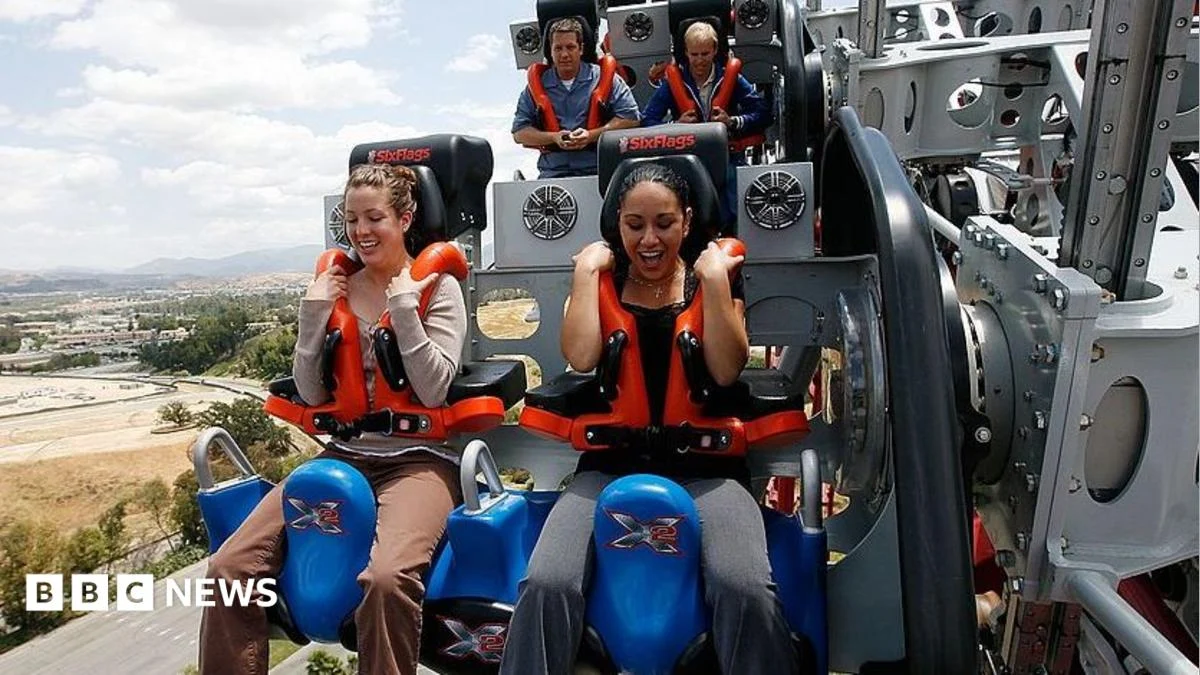
Six Flags has shut down its X2 roller coaster after multiple lawsuits alleged that hundreds of riders suffered brain injuries from the ride, which features seats that spin 360 degrees. The decision follows growing legal scrutiny over the safety of the attraction.
The move comes amid mounting concerns from injured parties and their legal representatives, who allege that the design of the ride may pose unforeseen risks to riders. As investigations continue, attention is turning to how such incidents are reported and addressed by both the company and regulatory bodies.
KEY FACTS
- Six Flags has shut down the X2 roller coaster.
- Hundreds of riders allegedly suffered brain injuries from the ride.
- Multiple lawsuits have been filed in connection with the injuries.
- The X2 ride features seats that spin 360 degrees.
The Story
What happens next?
Following the shutdown of X2, Six Flags has not released detailed operational changes, but the ongoing lawsuits suggest further legal developments are expected. Courts will likely review the claims made by riders and assess whether the design of the ride posed undue risk.
Legal experts note that ride-related injury lawsuits often hinge on whether the risks were known and disclosed. The outcome of these cases may influence industry-wide safety reviews for similar attractions.
Regulatory agencies may also take interest, given the scale of allegations. Investigations could determine if existing safety standards were adequately enforced and whether additional measures are needed.
Who is affected?
Hundreds of riders have come forward with allegations of brain injuries sustained while riding X2. These individuals are represented in multiple lawsuits seeking compensation for damages.
Beyond the riders, the shutdown affects Six Flags operations and potentially its reputation. The company has not commented on the specific reasons behind the closure beyond acknowledging the legal pressure.
Industry stakeholders, including other theme parks using similar ride technology, may face heightened scrutiny. Consumer confidence in high-adrenaline rides could also be impacted by these allegations.
How did we get here?
The X2 roller coaster gained attention for its unique 360-degree spinning seats, designed to enhance the rider experience through full rotational motion. Over time, however, concerns began to surface regarding the physical effects of such intense movement.
Riders started reporting symptoms consistent with brain injuries, prompting medical evaluations and legal action. These claims formed the basis of the lawsuits now tied to the ride’s operation.
The accumulation of allegations eventually led to public pressure and, ultimately, Six Flags’ decision to halt operations of X2 pending resolution of the legal challenges.
What We Know — and What We Don’t
Verified by the source:
- Six Flags has shut down the X2 roller coaster.
- Multiple lawsuits allege hundreds of riders suffered brain injuries.
- The ride features seats that spin 360 degrees.
Still unconfirmed:
- The exact number of reported injuries.
- Medical confirmation of brain injury diagnoses.
- Whether Six Flags will reopen the ride in the future.
- Details of any internal safety reviews.
Why It Matters
This case highlights growing concerns over the safety of extreme amusement rides and the legal responsibilities of operators when serious injuries are reported. For consumers, it raises questions about transparency and oversight in an industry built on thrill-seeking. For companies like Six Flags, it underscores the importance of proactive safety management to protect both riders and brand integrity.
More broadly, as theme parks adopt increasingly complex ride technologies, incidents like these may prompt calls for stricter national safety standards and clearer reporting mechanisms across the industry.
What To Watch
Legal proceedings related to the X2 lawsuits are ongoing, and further outcomes may set precedent for similar cases involving amusement park rides.