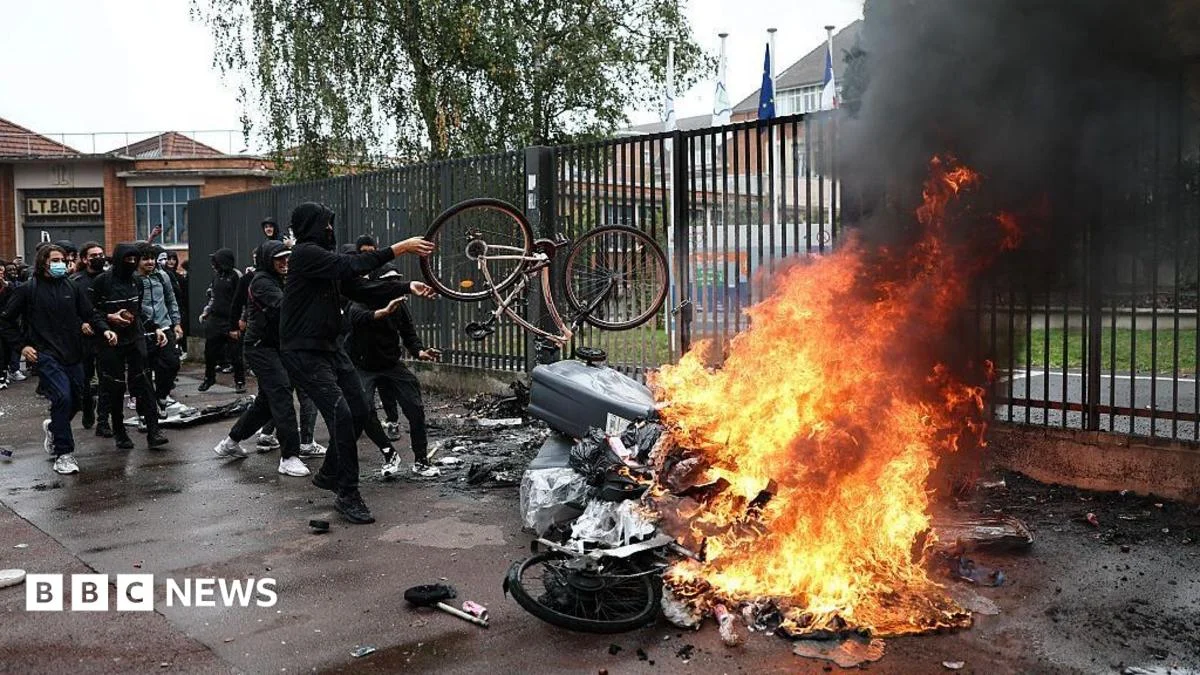
More than 400 people were detained as France student protests escalated this week, reflecting growing unrest among high school students over conditions and resources. The detentions occurred amid a wave of demonstrations that began last week, with students taking to the streets to voice their frustration. These developments signal a deepening crisis in the nation’s educational landscape, raising questions about public order and academic equity.
The protests, which originated in response to longstanding grievances about underfunding and overcrowding in high schools, have since spread across multiple regions. Authorities responded swiftly to contain the unrest, though the scale of arrests underscores the intensity of the movement. As tensions continue to rise, the situation remains fluid and closely watched by educators, policymakers, and families alike.
Key Facts
- 400+ people detained during escalated student demonstrations.
- Protests began last week over high school conditions and resources.
- Demonstrations have spread nationwide following initial unrest.
- Students are voicing concerns about educational environment and funding.
- Arrests represent one of the largest crackdowns in recent French youth-led movements.
Who Is Affected by the France Student Protests?
The primary group impacted by these events is France’s high school population, particularly those attending overcrowded institutions lacking adequate infrastructure and support. Many students report insufficient access to teaching materials, outdated facilities, and staffing shortages. Beyond the directly involved pupils, parents and teachers have also expressed concern over safety measures implemented during the demonstrations. Educational administrators nationwide now face mounting pressure to address systemic issues while managing ongoing security challenges tied to student activism.
Government officials have not yet issued detailed statements regarding policy changes, but sources indicate internal discussions are underway within ministries responsible for education reform. Meanwhile, unions representing educators have signaled potential backing for student demands if formal negotiations begin. This intersection of youth advocacy and institutional dialogue may shape future approaches to resolving grievances rooted in resource allocation disparities.
What Happens Next for France Student Protests?
As authorities process the implications of mass detentions linked to rising France student protests, attention turns toward possible follow-up actions from both sides. Legal proceedings involving detained protesters could influence morale among demonstrators, potentially escalating further unrest or prompting renewed calls for dialogue. Government agencies tasked with maintaining public order must balance enforcement protocols against constitutional rights governing peaceful assembly and expression—an equilibrium tested amid reports of widespread disruption.
Meanwhile, educational watchdogs monitor whether schools remain open as planned or close early due to safety concerns stemming from continued civil disobedience. Stakeholders across sectors await clarity from officials on timelines for proposed reforms addressing foundational complaints cited by striking learners. Any delays risk amplifying discontent, increasing likelihood of additional rallies demanding immediate resolution rather than protracted bureaucratic review processes typically associated with national-level adjustments in public education systems.
Verified by the source:
- Over 400 individuals were detained during escalated protests.
- Student demonstrations focused on high school conditions and resources.
- Protests originated last week and have since expanded geographically.
Still unconfirmed:
- Exact number of arrests beyond stated figure of 400+.
- Specific cities or regions where detentions occurred.
- Official government response or planned reforms.
- Number of injuries reported among protesters or law enforcement.
- Future schedule or organization plans for upcoming demonstrations.
France student protests highlight broader global trends where Generation Z leverages collective action to challenge entrenched institutional norms, especially concerning access to quality education—a fundamental pillar affecting millions worldwide. When governments fail to meet basic expectations around learning environments, youth mobilization often serves as catalyst pushing agendas forward faster than traditional legislative channels might allow.
Watch closely whether dialogue opens between striking students and ministry representatives; any formal engagement could mark turning point determining trajectory of nationwide unrest echoing through upcoming academic term.