Lede
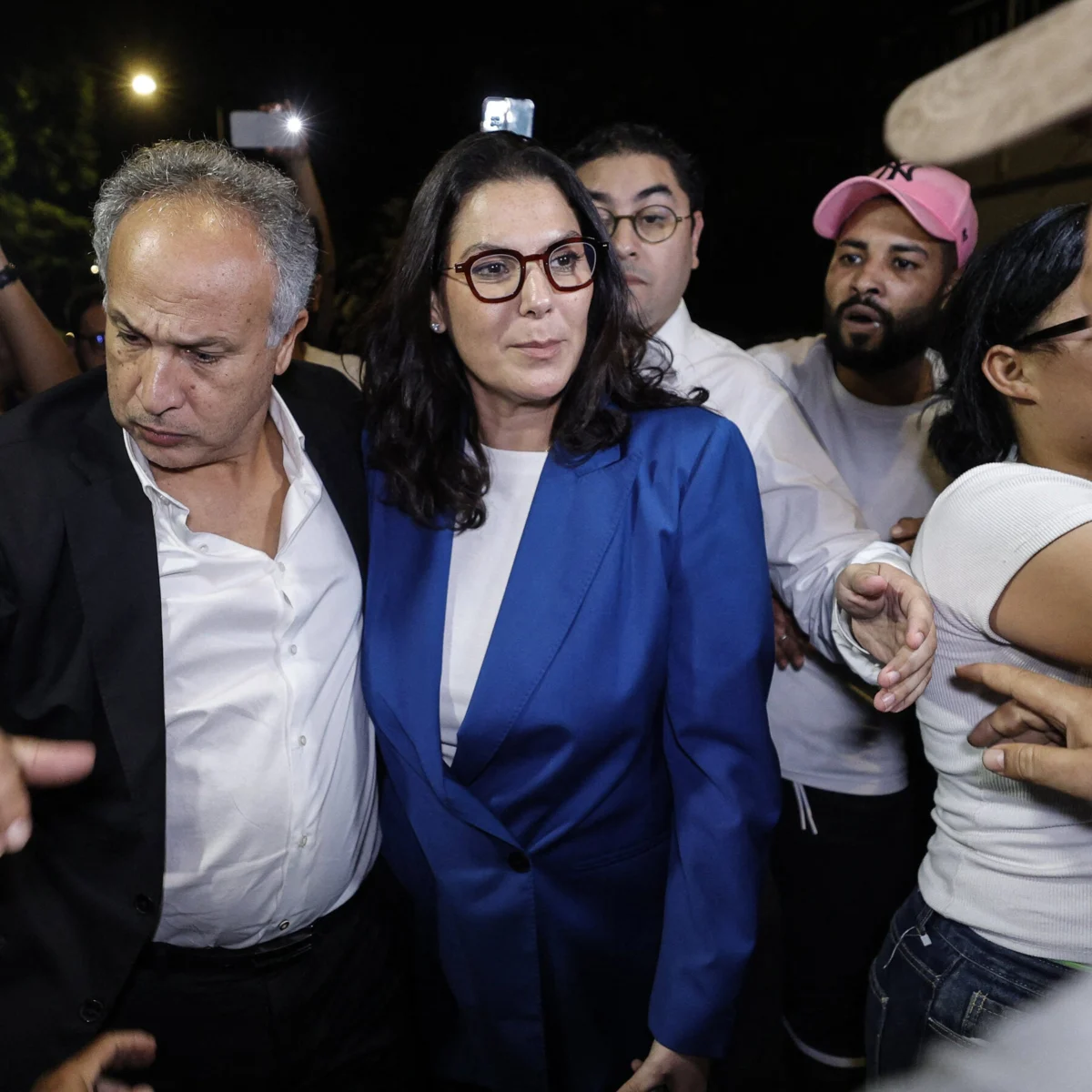
Morocco’s King Mohammed VI has appointed Fatima Ezzahra El Mansouri as the country’s new prime minister, marking a historic first for North Africa’s most populous nation. She is only the second woman to head a government anywhere in the region.
El Mansouri, a lawyer and member of the centrist Authenticity and Modernity Party (PJD), steps into one of the most senior political roles in Morocco. The appointment underscores shifting dynamics within the country’s coalition politics and reflects broader conversations about women’s participation in governance across the Arab world.
Morocco operates under a constitutional monarchy in which the king holds significant executive powers, including the authority to appoint the prime minister after legislative elections. El Mansouri’s selection follows the formation of a new government after prolonged negotiations among political parties. The move is being closely watched by regional observers given its symbolic weight.
KEY FACTS
- Headline: Morocco’s King Names a Female Prime Minister
- Summary: Fatima Ezzahra El Mansouri is only the second woman to lead the government of a North African country
- Party Affiliation: She belongs to the Authenticity and Modernity Party
- Background: She is described as a lawyer and politician
THE STORY
How Did We Get Here?
The appointment of Fatima Ezzahra El Mansouri comes at a pivotal time in Moroccan domestic affairs. The country held legislative elections in late 2026, which resulted in no single party winning an outright majority. As is customary under the Moroccan constitution, the monarch then tasked the leader of the largest parliamentary bloc with forming a government.
After weeks of negotiations involving multiple parties, including her own Authenticity and Modernity Party, El Mansouri emerged as a consensus candidate capable of commanding support across ideological lines. Her legal training and experience in public service likely contributed to her selection during these delicate talks.
Historically, women have held ministerial positions in several North African states but rarely ascended to premierships. Tunisia appointed a female prime minister briefly in 2020, making El Mansouri the second such figure in modern history for the region.
What Happens Next?
With her appointment confirmed, Fatima Ezzahra El Mansouri now faces the task of assembling a full cabinet and presenting a policy platform to parliament. Her government will need to secure a vote of confidence within ten days, according to Article 92 of the Moroccan constitution governing government formation procedures.
The success of her administration may hinge on maintaining unity among diverse coalition partners while addressing pressing economic concerns affecting ordinary citizens. Inflation, unemployment—particularly among youth—and healthcare access remain top issues for voters who expect tangible reforms from their new leadership team.
Internationally, observers are watching whether this historic milestone signals lasting change or merely temporary progress regarding gender equity in governance throughout the Maghreb region where conservative norms often dominate politics.
WHAT WE KNOW — AND WHAT WE DON’T
Verified by the source:
- Fatima Ezzahra El Mansouri was named prime minister by Morocco’s king
- She is affiliated with the Authenticity and Modernity Party
- She works professionally as a lawyer and politician
- She is the second woman to lead a North African government
Still unconfirmed:
- Exact date or context behind her nomination announcement
- Names or statements from other political figures involved in coalition talks
- Specific policies or priorities expected under her premiership
WHY IT MATTERS
This appointment carries symbolic importance beyond Morocco’s borders, especially amid ongoing global efforts to increase women’s representation in executive branches. While much remains uncertain about how effectively she can govern amid entrenched power structures, the very act of naming a female leader represents incremental progress toward more inclusive political systems—a shift many advocates say builds credibility for deeper institutional reforms over time.
WHAT TO WATCH
All eyes now turn to Rabat as El Mansouri attempts to build a functioning coalition cabinet ahead of scheduled parliamentary sessions beginning early October 2027.
For continuous updates on developments in [war-geopolitics](/category/war-geopolitics) and broader [politics](/category/politics), follow our live coverage.
Meta description: Morocco names lawyer Fatima Ezzahra El Mansouri as prime minister—the first woman in the role—appointed by King Mohammed VI after coalition talks.