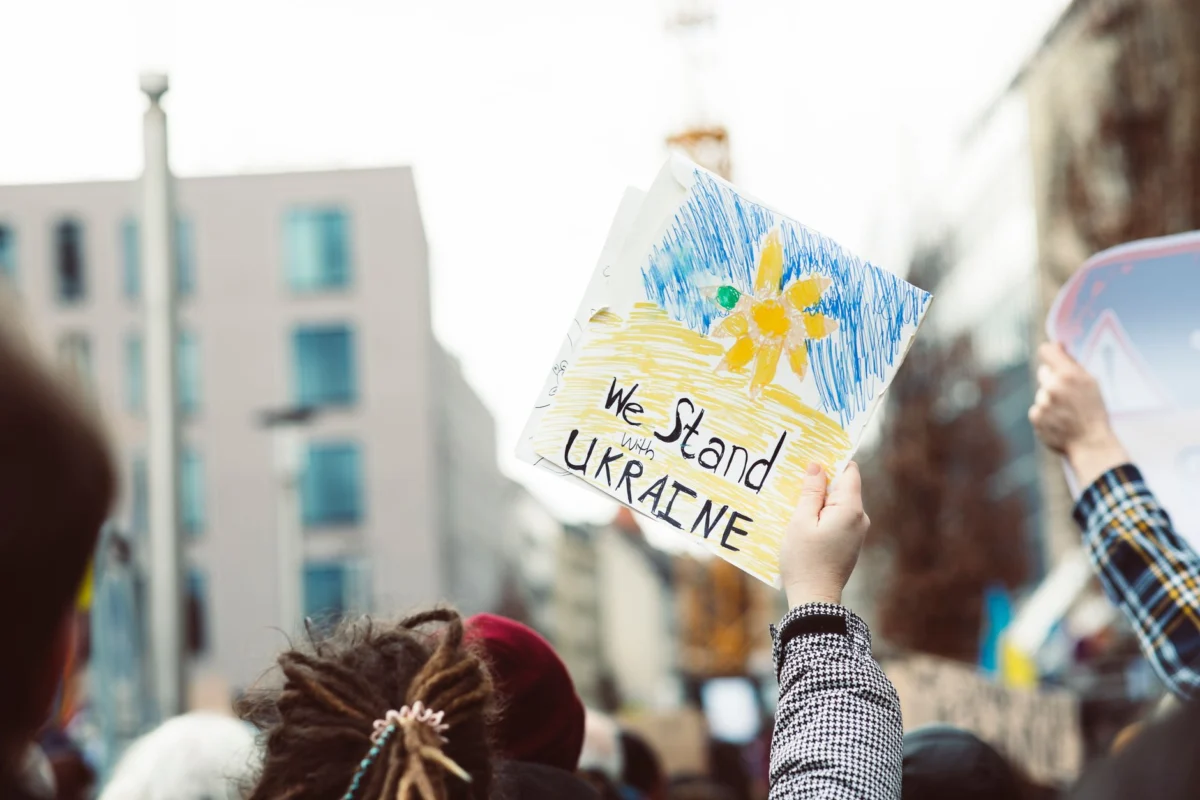
At 6 a.m. Kyiv’s Maidan Square was illuminated by the glow of anti‑aircraft fire, yet a lone choir still sang the national anthem as officials gathered to mark Constitution Day Ukraine.
The ceremony coincided with the 30th anniversary of the 1996 constitution that anchored Kyiv’s independence after Soviet collapse.
What the day looks like on the frontlines
President Volodymyr Zelenskyy appeared on state TV from a reinforced bunker in the capital, flanked by Defense Minister Rustem Umerov. He praised “the unbreakable will of the Ukrainian people” and warned that the war “has not eroded the rule of law.”
In the city’s western district, a school‑yard ceremony for children was interrupted when a Russian 9K720 Iskander missile slammed into a nearby industrial park, shattering windows within a two‑kilometre radius. No casualties were reported, but the blast sent a plume of black smoke over the celebratory banners.
Why does this matter?
Celebrating Constitution Day Ukraine while under attack sends a stark message to the world: Ukraine refuses to let war rewrite its democratic foundation. For ordinary citizens, the day underscores why every bomb that hits a school or market is also an attack on the legal guarantees enshrined in the 1996 charter.
Economically, the timing matters. The Ukrainian hryvnia has slipped 4 % against the dollar since the start of the month, and foreign investors watch each symbolic gesture for clues about stability.
30 years of a fragile charter
The 1996 constitution introduced a parliamentary‑presidential system, guaranteed free speech, and set out the separation of powers. Over the past three decades, successive reforms have tried to curb oligarchic influence, but the 2014 Euromaidan uprising and the 2022 full‑scale invasion have tested those safeguards.
Legal scholars cited in the national broadcasting service said the document’s Article 5, which guarantees “the inviolability of the territory of Ukraine,” now reads like a battlefield map. Yet they argue the same article reinforces Ukraine’s claim to all occupied regions in future peace talks.
International allies, including the United States and European Union, reaffirmed their support during a live‑streamed press conference. NATO’s Secretary‑General reiterated that “the alliance stands with a sovereign Ukraine that upholds its constitution even under fire.”
What happens next?
Next week, the Verkhovna Rada will vote on a package of emergency amendments aimed at streamlining wartime procurement and protecting judges from intimidation. Critics warn that rapid changes could erode checks and balances, while proponents argue they are essential for fighting the war.
For readers, the image of a nation chanting its constitutional pledge amid explosions is a reminder that geopolitics isn’t abstract; it shapes daily life, markets, and the safety of neighborhoods around the globe.
Stay tuned as Ukraine’s leaders balance war‑time urgency with the long‑term health of their democratic framework.