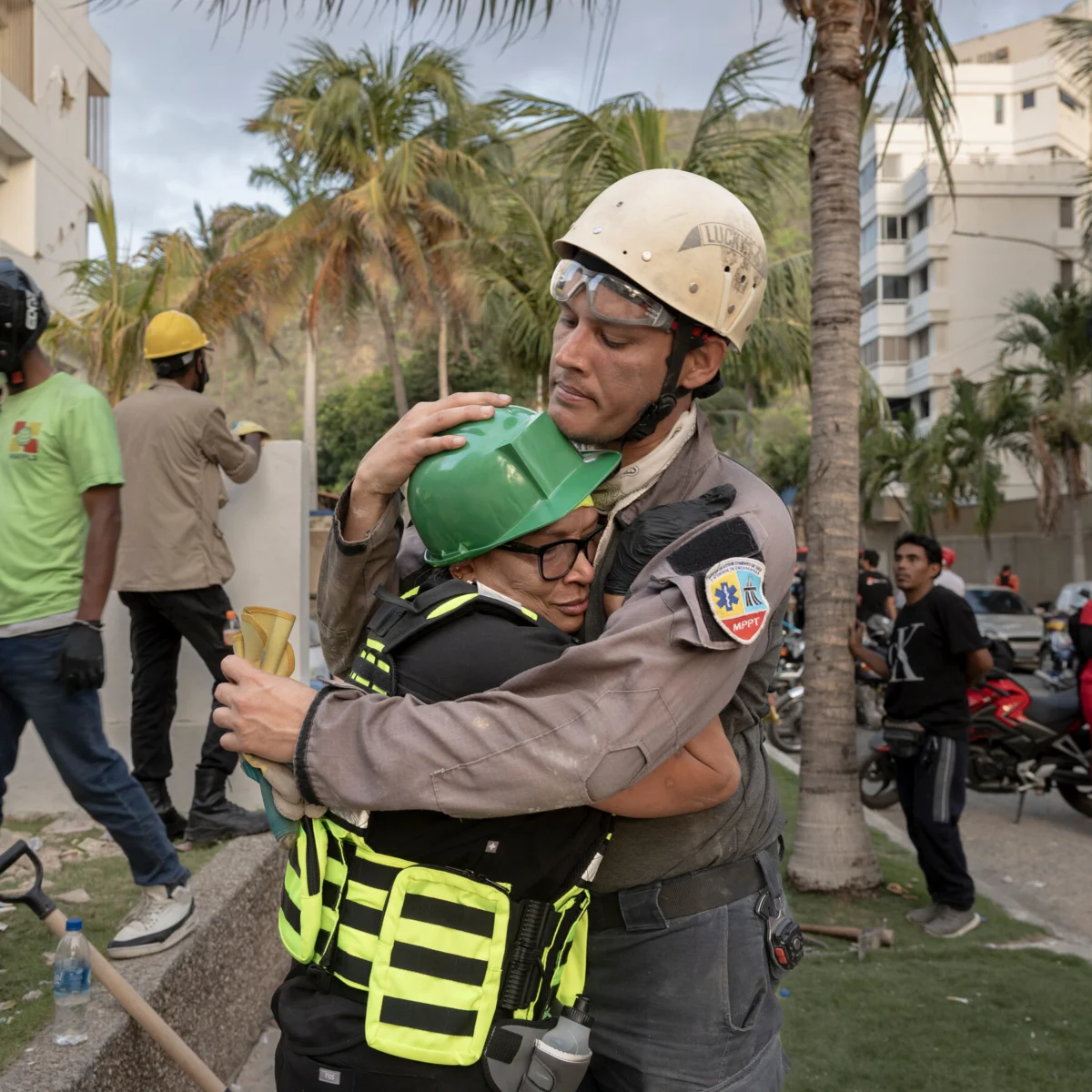
Rescuers have uncovered a shattered school cafeteria where a single concrete beam still bears the imprint of a child’s hand, a haunting reminder that the Venezuela earthquake left more than 900 dead and countless others buried beneath rubble.
The twin quakes that struck the coastal town of Cariaco on Saturday rattled buildings, snapped utility lines, and sent shockwaves through the nation’s already fragile infrastructure.
By Sunday morning, 12,483 people were registered as displaced; 917 bodies had been recovered; and 1,106 individuals remained trapped, according to the on‑scene coordination center.
International aid floods the disaster zone
Teams from Brazil, Colombia, and Spain arrived with sniffer dogs, mobile cranes, and thermal‑imaging drones. A Brazilian engineering squad set up a portable power grid that now runs 15 generators, keeping field hospitals operational.
“We have five days to locate as many survivors as possible before the weather turns,” said a spokesperson for the Venezuelan Red Cross, who requested anonymity for safety reasons.
Spanish rescue volunteers are working the night shift, using acoustic listening devices that can detect faint sounds from beneath concrete. Their efforts have already yielded two survivors rescued from a collapsed apartment block.
Why does this matter?
The Venezuela earthquake is the deadliest natural disaster the country has seen in a decade, striking just as inflation spirals past 300% and the government grapples with dwindling oil revenues. A prolonged humanitarian crisis could destabilize the already volatile political landscape, prompting migration spikes toward neighboring Colombia and Brazil.
For expatriates and investors watching the region, the quake underscores how climate‑linked hazards can amplify existing economic and security risks, reshaping supply chains and prompting insurers to reassess exposure in the Caribbean basin.
What happens next?
Rescue teams plan to expand their search radius to rural hamlets that reported tremor‑related landslides. The United Nations has pledged $12 million for emergency shelter and clean water, pending approval from Venezuela’s Ministry of Interior.
Authorities will also conduct a forensic audit of building codes, a step many fear will be delayed amid political infighting.
As night falls, a helicopter hovers above the shattered remains of a former market, its searchlight scanning for any glimmer of life. The window to save those still trapped is closing fast, but every hour brings a new chance for hope.
Stay tuned for updates on survivor counts, aid distribution, and the geopolitical ripple effects of the Venezuela earthquake.