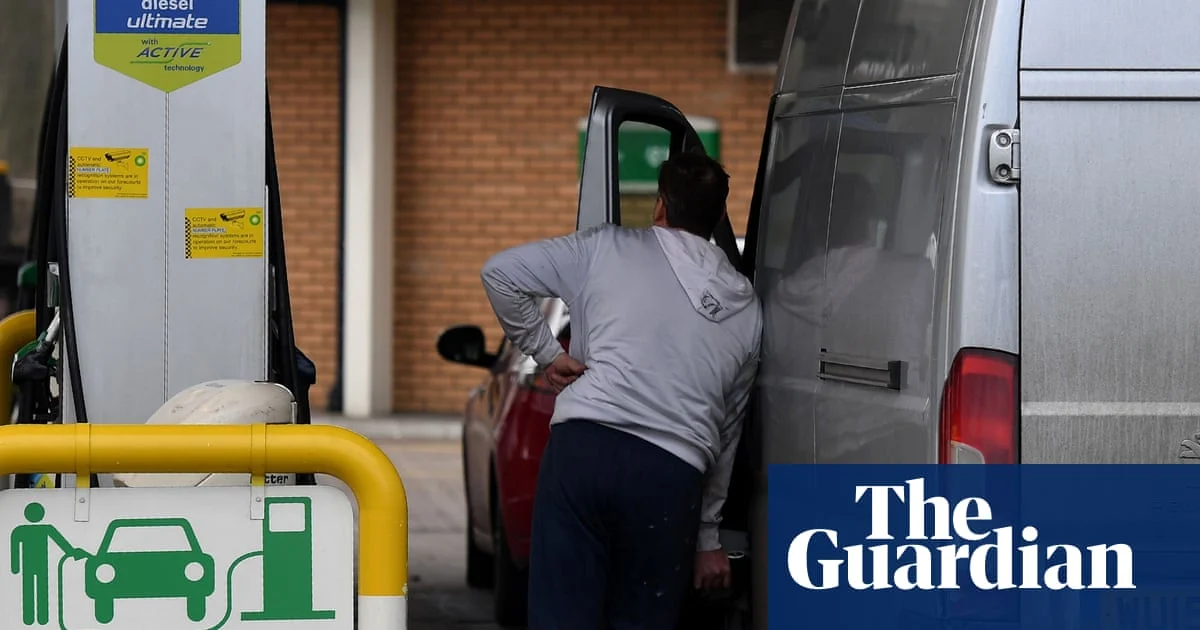
Lede
Millions of British van drivers face a combined £2.5bn increase in diesel costs this year, according to figures reported by Politics | The Guardian. The rising diesel prices have intensified calls for the government to scrap its planned fuel duty rise. Analysis for the Guardian estimates the average fuel bill for van and pickup owners will reach £1,965, up from £1,294. These climbing diesel costs stem from record-high prices driven by global fuel shortages linked to refinery disruptions in the Middle East and Russia.
This surge affects diesel costs across the commercial vehicle sector, with owners of diesel vans and pickups expected to spend nearly £8.5bn collectively at the pump in 2026. The financial pressure has sparked renewed political debate over energy policy and the impact of fuel taxation on working drivers. Calls to reverse the planned fuel duty increase are gaining traction, particularly among groups representing small businesses and independent contractors who rely heavily on road transport.
Key Facts
- £2.5bn extra diesel costs expected for UK van drivers this year.
- Average fuel bill could rise to £1,965, up from £1,294.
- Collective spending at pumps may hit £8.5bn for diesel van and pickup owners.
- Rising prices linked to global fuel shortages from Middle East and Russia refinery disruptions.
- Figures prompt fresh calls to scrap planned UK fuel duty rise.
Who Is Affected by Rising Diesel Costs?
The primary group affected by these diesel costs includes owners of diesel vans and pickups across the UK. This demographic often consists of tradespeople, delivery drivers, and small business operators who depend on their vehicles for daily work. With fuel being a major operational expense, the projected increase from £1,294 to £1,965 per driver represents a significant financial burden. For self-employed individuals or micro-businesses operating on tight margins, this rise in diesel costs can directly impact profitability and cash flow.
The £2.5bn collective increase translates into millions of pounds in additional expenses for an already strained segment of the economy. Many van drivers operate in sectors such as construction, logistics, and local services where vehicle usage cannot easily be reduced. As diesel costs climb, there is growing pressure on policymakers to provide relief, either through tax adjustments or targeted support schemes. The timing of these cost increases coincides with broader economic pressures, including inflation and energy market volatility, compounding the challenges faced by commercial drivers.
How Did Diesel Costs Reach This Level?
Rising diesel costs have been attributed to record-high fuel prices driven by global supply chain disruptions. According to Politics | The Guardian, issues affecting refineries in the Middle East and Russia have significantly reduced output, leading to tighter global fuel markets. These geopolitical and industrial bottlenecks have pushed crude oil and refined fuel prices upward, with little immediate relief in sight. Analysts suggest that the ongoing conflicts and maintenance shutdowns in key producing regions continue to influence pricing dynamics worldwide.
The impact on UK motorists, particularly those driving diesel vehicles, reflects broader trends in the energy market. While the government monitors fuel duty as a lever for managing transport-related emissions and revenue, the current climate has made taxation policy a contentious issue. With calls mounting to pause or reverse the planned fuel duty rise, officials are under scrutiny to balance fiscal responsibility with relief for hard-hit sectors. The situation underscores how external factors can quickly translate into domestic economic strain, especially for mobile workers dependent on affordable fuel.
What Happens Next on Fuel Duty?
Political momentum is building around the demand to scrap the planned fuel duty rise. While no official response has been announced, pressure is mounting from advocacy groups representing van drivers and small businesses. If the government chooses to act, it would likely delay or cancel the upcoming increase scheduled for later this year. However, postponing the duty rise could affect public spending, as fuel duties contribute to national revenue. Officials may also consider alternative measures such as temporary subsidies or rebates for commercial vehicle operators.
In the coming months, attention will turn to whether the Treasury shifts its stance on energy taxation. Any decision will need to factor in both public sentiment and economic forecasts. With diesel costs already placing strain on household budgets and business operations, the outcome of this debate could have wide-reaching implications for consumer confidence and sectoral stability. For now, van drivers remain in a precarious position as they await clarity on future policy directions.
What We Know — and What We Don’t
Verified by the source:
- Diesel costs for UK van drivers are projected to rise by £2.5bn collectively in 2026.
- The average fuel bill is expected to reach £1,965, up from £1,294.
- Total spending by diesel van and pickup owners may climb to nearly £8.5bn.
- Fuel price increases are linked to refinery disruptions in the Middle East and Russia.
- There are calls to scrap the planned fuel duty rise due to rising diesel costs.
Still unconfirmed:
- No specific date has been confirmed for the planned fuel duty rise.
- It is unclear how the government intends to respond to calls for a duty freeze.
- The exact percentage breakdown of the £2.5bn cost increase per region is not provided.
- There is no mention of compensation or support programs for affected drivers.
Why It Matters
Diesel costs are more than just a personal expense—they reflect the health of the broader economy. When commercial vehicle operators face steep fuel bill hikes, it can ripple through supply chains, local services, and ultimately consumer prices. Rising diesel costs also highlight the vulnerability of the UK’s transport-dependent sectors to global energy shocks. For voters and businesses alike, decisions around fuel duty carry weighty implications for economic fairness and sustainability.
What To Watch
All eyes are now on potential government action regarding the planned fuel duty increase. A policy shift could either ease financial pressure on van drivers or signal continued prioritization of fiscal targets over short-term relief. Keep watching developments in Parliament and Treasury announcements for clues on how this evolving issue will be addressed.