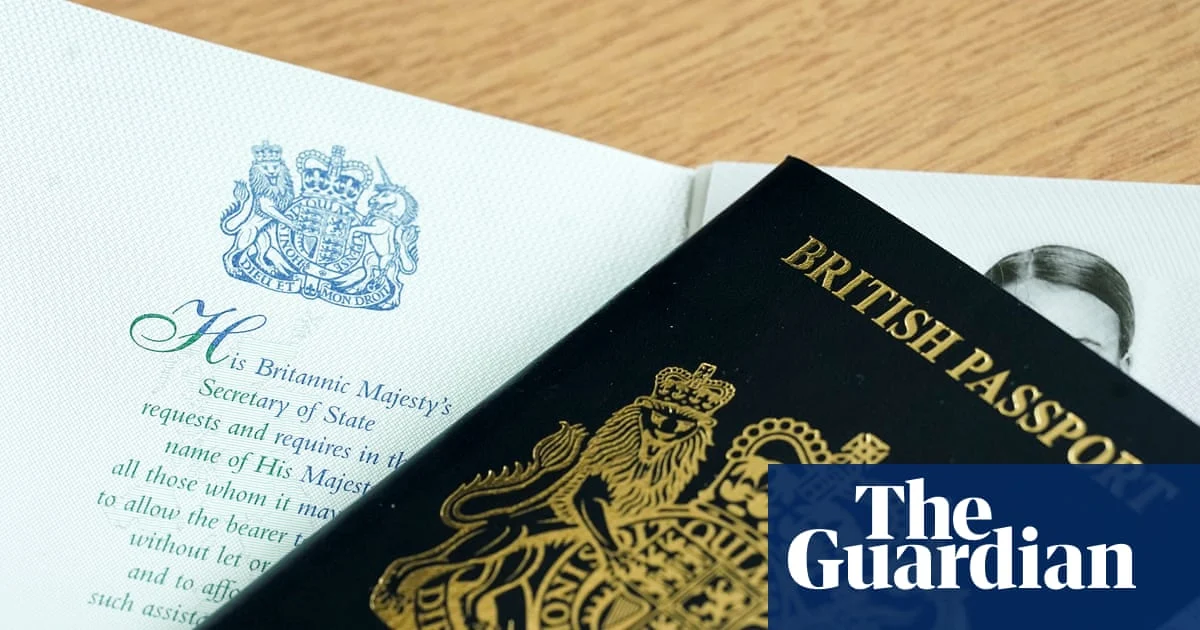
Post-Brexit UK immigration rules now bar dual nationals from entering the UK unless they hold a British passport, a policy that has left some families unable to reunite with relatives. A UK citizen living in France reports being asked for a DNA test to secure a passport for his daughter, who was born in Zimbabwe and holds only a French passport, preventing her from visiting her UK-based grandparents.
KEY FACTS
- A father was asked for a DNA test to obtain a UK passport for his daughter.
- New post-Brexit rules require dual nationals to hold a UK passport to enter the UK.
- The family lives in France; the father is a UK citizen married to a French national.
- Their daughter, born in Zimbabwe, only holds a French passport.
- She cannot visit her UK-based grandparents under current rules.
The Family’s Situation
A UK citizen living in France with his French spouse has two older children who hold both French and UK passports, allowing them free movement between countries. Their third child was born in Zimbabwe while the family was living abroad, and this child holds only a French passport. Under the UK’s post-Brexit entry requirements, dual nationals without a British passport can be denied entry, leaving the daughter unable to travel to the UK to see her grandparents.
The father was reportedly asked to provide a DNA test as part of an application process to secure UK citizenship or a passport for his daughter, highlighting the administrative hurdles faced by families navigating cross-border nationality laws. While the older children enjoy unrestricted access to both countries, the youngest remains effectively barred from entering the UK despite her parent’s British citizenship.
Why This Matters for Dual Nationals
The UK’s departure from the EU ended the automatic right of free movement for EU citizens, introducing stricter documentation checks at borders. For dual nationals, the rules now stipulate that entry to the UK must be on a valid UK passport, and those arriving without one—even if legally entitled to enter—may be turned away. This creates particular challenges for children born overseas to mixed-nationality parents who may not have secured all relevant passports at birth.
Families in similar situations report lengthy delays in processing applications, with some facing requests for additional documentation such as DNA evidence to confirm parentage. While the Home Office states that legitimate applications are processed according to standard procedures, critics argue that rigid interpretations of border control post-Brexit are causing unnecessary hardship and separation within families already entitled to live in the UK.
What We Know — and What We Don’t
Verified by the source:
- Post-Brexit rules require dual nationals to enter the UK with a British passport.
- A UK citizen father was asked to submit a DNA test for his daughter’s passport application.
- The daughter was born in Zimbabwe and holds only a French passport.
- She cannot currently visit her grandparents in the UK.
Still unconfirmed:
- No official statement from the UK Home Office is cited regarding the specific case.
- It is unclear whether the DNA request is standard procedure across all applications.
- No figures are available on how many families are affected by this rule.
Why It Matters
This case reflects broader tensions arising from the UK’s post-Brexit immigration framework, where streamlined policies for EU nationals have given way to stricter controls affecting ordinary citizens’ ability to exercise family rights. As more children are born abroad to binational couples, navigating complex passport and citizenship requirements becomes increasingly difficult.
What To Watch
The UK government has not announced changes to its entry requirements for dual nationals, but ongoing pressure from advocacy groups may lead to reforms aimed at easing passport access for children of British citizens born overseas.