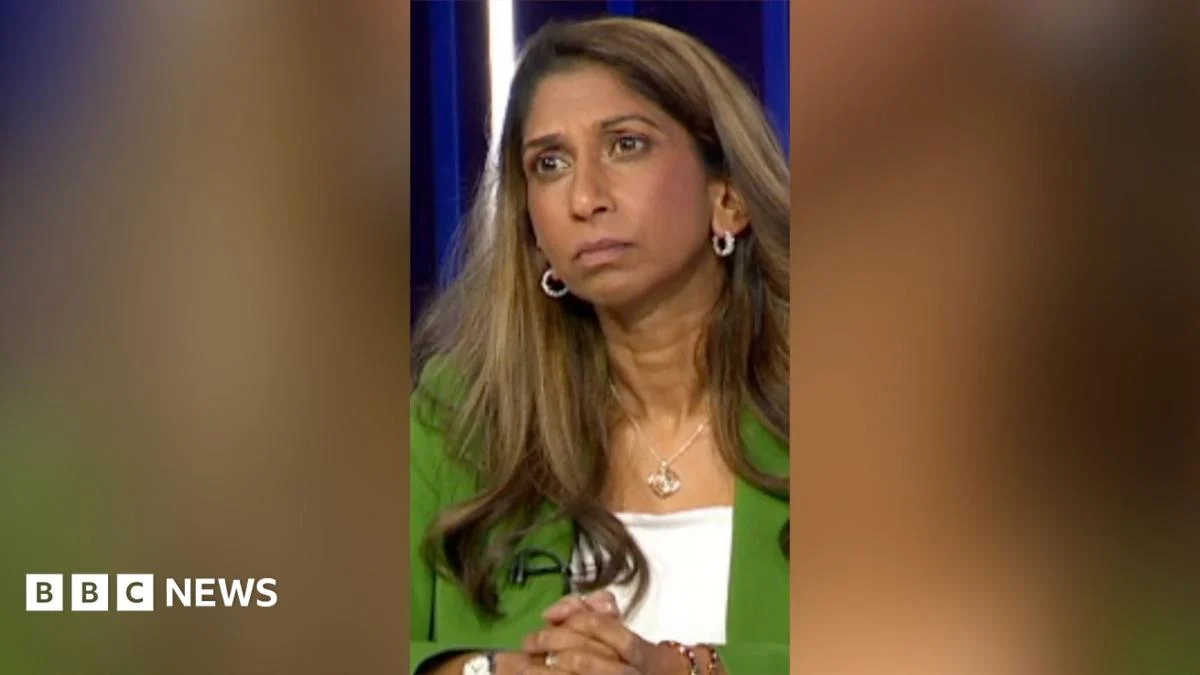
UK politics faces increasing scrutiny over whether it prioritises the interests of older generations, known as ‘boomers’, over younger voters. A recent BBC News debate explored this issue, asking if the political system is becoming too centred around the concerns of older people.
The discussion brought together political figures and analysts to examine generational divides in British politics. With older voters traditionally showing higher turnout and younger people facing economic pressures like housing affordability and job insecurity, questions about representation across age groups have gained prominence. The debate was part of broader public discourse about whether UK politics adequately serves all demographics.
Key Facts:
- A BBC News debate questioned whether UK politics is ‘boomer-centric’.
- The discussion included Miatta Fahnbulleh, Julia Lopez, Suella Braverman, and Oli Dugmore.
- The topic focused on generational representation in British political life.
The Generational Divide in Representation
Political engagement patterns in the UK show notable differences across age groups. Older citizens tend to vote at higher rates compared to younger people, potentially influencing policy priorities in Westminster. This dynamic raises questions about how well UK politics reflects the needs of all age demographics, particularly when issues like housing costs, education debt, and employment prospects disproportionately affect younger generations.
What Happens Next?
Public debate around generational equity continues to evolve alongside demographic shifts. As younger voters become a larger share of the electorate, pressure may grow on parties to address concerns traditionally associated with older voters, such as pension security and healthcare access. Whether this creates lasting change in UK politics remains uncertain and will likely depend on future electoral outcomes.
Broader Context on Political Discourse
Discussions about fairness and representation are longstanding elements of democratic dialogue. The framing of UK politics as favouring certain age groups reflects wider conversations happening across democracies about inclusivity and responsiveness. Media outlets regularly facilitate these debates through panel discussions and expert commentary, helping shape public understanding of complex social issues.
What We Know — and What We Don’t
Verified by the source:
- A BBC News debate examined claims that UK politics is ‘boomer-centric’.
- Participants included Miatta Fahnbulleh, Julia Lopez, Suella Braverman, and Oli Dugmore.
Still unconfirmed:
- No specific conclusions or outcomes from the debate were reported.
- Viewpoints expressed by individual participants are not detailed.
Why It Matters
Generational tensions in politics reflect broader societal challenges around fairness and inclusion. How democracies balance competing interests across age groups affects everything from fiscal policy to social services.
What To Watch: Whether future elections see increased youth turnout and whether parties adopt new policies targeting younger voters.