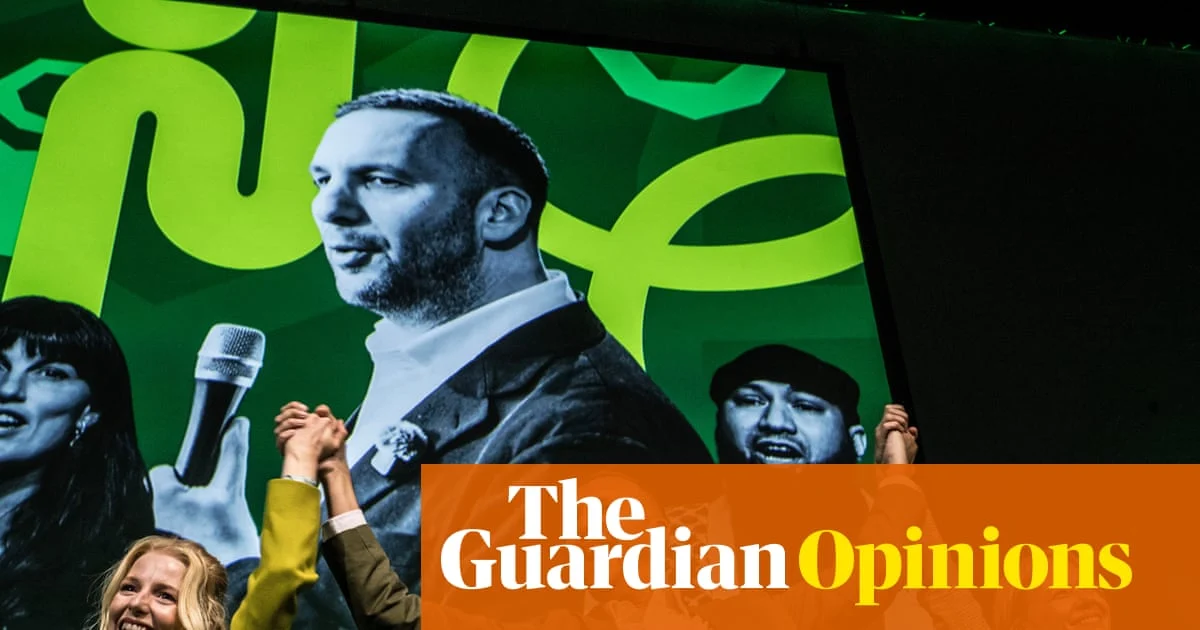
At a Brighton byelection, Zack Polanski raised his arms in triumph, yet the gesture felt more like a wave goodbye than a victory lap. Under his leadership, the Green Party surged to record poll levels, capitalizing on voter dissatisfaction with Labour. However, the result hinted at constraints on that momentum, suggesting the party may be closer to a ceiling than a breakthrough.
Polanski emerged as a sharp critic of Keir Starmer’s Labour, arguing the party was not radical enough on issues like Gaza. Voters responded, helping the Greens reach an 18% polling high and win a byelection against a prominent opponent. But recent setbacks suggest the party’s rise may be slowing, raising questions about Polanski’s long-term viability as leader.
Key Facts
- Zack Polanski leads the Green Party and faced criticism over Labour’s stance on Gaza.
- The Green Party reached a record 18% in polls under his leadership.
- The party won a byelection in Gorton and Denton against Matt Goodwin.
- Polanski is described as one of Keir Starmer’s fiercest critics.
- Analysts suggest he is one byelection away from losing his job.
How Did We Get Here?
Under Zack Polanski’s leadership, the Green Party positioned itself as a progressive alternative to Labour, attracting voters disillusioned with Keir Starmer’s approach. The party gained traction on issues such as Gaza, where Polanski accused Labour of insufficient concern. This strategy helped the Greens climb to a record 18% in the polls and secure a byelection win in Gorton and Denton, defeating a high-profile opponent. Polanski’s criticism of Labour resonated with activists and undecided voters alike, but it also placed the Greens under intense scrutiny. As expectations rose, so did the pressure to deliver concrete policy proposals beyond agitprop messaging.
What Happens Next?
The Brighton byelection marked a turning point in public perception of the Green Party’s trajectory. While Polanski’s triumphant gesture may have symbolized personal achievement, it also underscored the fragility of protest-driven political movements. Analysts note that eight Liz Trusses — a reference to rapid political turnover — could signal instability. The party now faces the challenge of converting its surge into sustained influence. With Labour still a dominant force, the Greens must balance idealism with governance readiness. Their next moves will determine whether they evolve into a governing party or remain a protest vote.
What We Know — and What We Don’t
Verified by the source:
- Zack Polanski leads the Green Party.
- The Green Party reached a record 18% in polls.
- The party won a byelection in Gorton and Denton.
- Polanski criticized Keir Starmer’s Labour stance on Gaza.
- Polanski defeated Matt Goodwin in the byelection.
Still unconfirmed:
- Exact vote margin in the byelection.
- Specific policy proposals Polanski supports.
- Timeline for any potential leadership challenge.
Why It Matters
The Green Party’s fluctuating popularity reflects broader tensions within UK politics, where protest movements struggle to translate energy into institutional power. As parties vie for influence ahead of future elections, the ability to sustain momentum will be crucial for smaller parties seeking relevance.
What To Watch
Future byelections and poll movements will test whether the Green Party can maintain its current trajectory or whether internal pressures will intensify. Stay tuned for official responses and upcoming electoral contests.
[Politics category archive](https://www.sourcerated.com/politics) | [Economy and Markets archive](https://www.sourcerated.com/economy-markets)