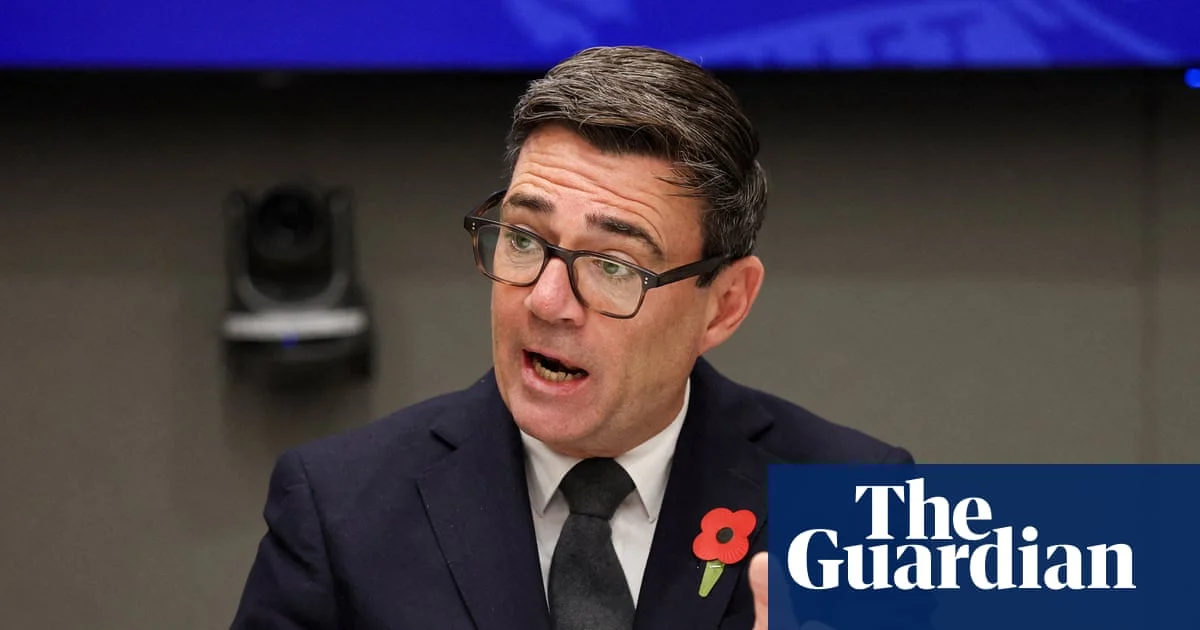
Lede: UK Prime Minister Andy Burnham has said he is open to calls for a formal apology for Britain’s role in the transatlantic slave trade. In an article published by The Guardian, Burnham said he would hold formal talks with affected parties, including individual countries and campaign groups, as pressure grows for accountability. His comments come ahead of a Commonwealth leaders’ summit where the issue is expected to be a focus.
Burnham’s stance marks a notable shift in tone from previous prime ministers, who have generally avoided issuing a formal state apology. The leader said British people cannot be made to pay reparations for historical wrongs, but acknowledged the country must confront its complicated history. This framing has drawn both praise from advocacy groups and criticism from those who argue reparations remain necessary.
- Key Facts:
- Andy Burnham is open to a formal apology for Britain’s role in the slave trade.
- The UK Prime Minister rejected demands for reparations but supported formal talks.
- His comments were published in a Guardian article ahead of a Commonwealth summit.
- He called for confronting Britain’s complicated history involving the transatlantic slave trade.
- Press and campaign groups from the Caribbean and UK are expected to engage in talks.
What happens next?
Burnham is preparing to travel to the Caribbean next week for the Commonwealth leaders’ summit, where the topic of historical accountability is expected to dominate discussions. Formal talks will likely include representatives from Caribbean nations, the UK, and various campaign groups. Those advocating for reparations have long argued that wealthy Western nations benefited economically from the transatlantic slave trade and should offer compensation. The Prime Minister’s openness to dialogue has been interpreted as a diplomatic gesture, though his rejection of reparations may limit the scope of negotiations.
Who is affected?
Affected parties include Commonwealth nations with historical ties to the slave trade, particularly in the Caribbean. Campaign groups and descendants of enslaved people in both the UK and abroad are also key participants. Advocacy organizations have long pushed for recognition, apologies, and financial compensation. While Burnham dismissed reparations, his willingness to engage in formal discussions signals a potential opening for broader conversations about historical justice and reconciliation.
How did we get here?
Pressure for an apology and reparations has built for decades, with historians and activists highlighting Britain’s central role in the transatlantic slave trade from the 17th to 19th centuries. Previous prime ministers avoided issuing formal apologies, citing legal and moral complexities. Burnham’s recent statements reflect growing international momentum, including calls from Caribbean leaders and movements like CARICOM’s reparations commission. The timing coincides with increased scrutiny of colonial legacies and demands for systemic change.
Verified by the source:
- Burnham expressed openness to a formal state apology.
- He rejected demands for reparations.
- His comments were made in a Guardian article.
- He plans to attend a Commonwealth leaders’ summit.
Still unconfirmed:
- Specific names of affected countries or groups involved in talks.
- Exact dates for negotiations or summit proceedings.
- Official responses from Caribbean leaders or campaign groups.
- Details of any formal reparations proposal that may be presented.
Why it matters: Britain’s role in the transatlantic slave trade shaped global wealth disparities, and ongoing debates over apologies and reparations highlight unresolved issues of historical injustice.
What to watch: Updates may emerge after the Commonwealth summit next week, particularly if formal talks or new proposals are announced.