LEDE
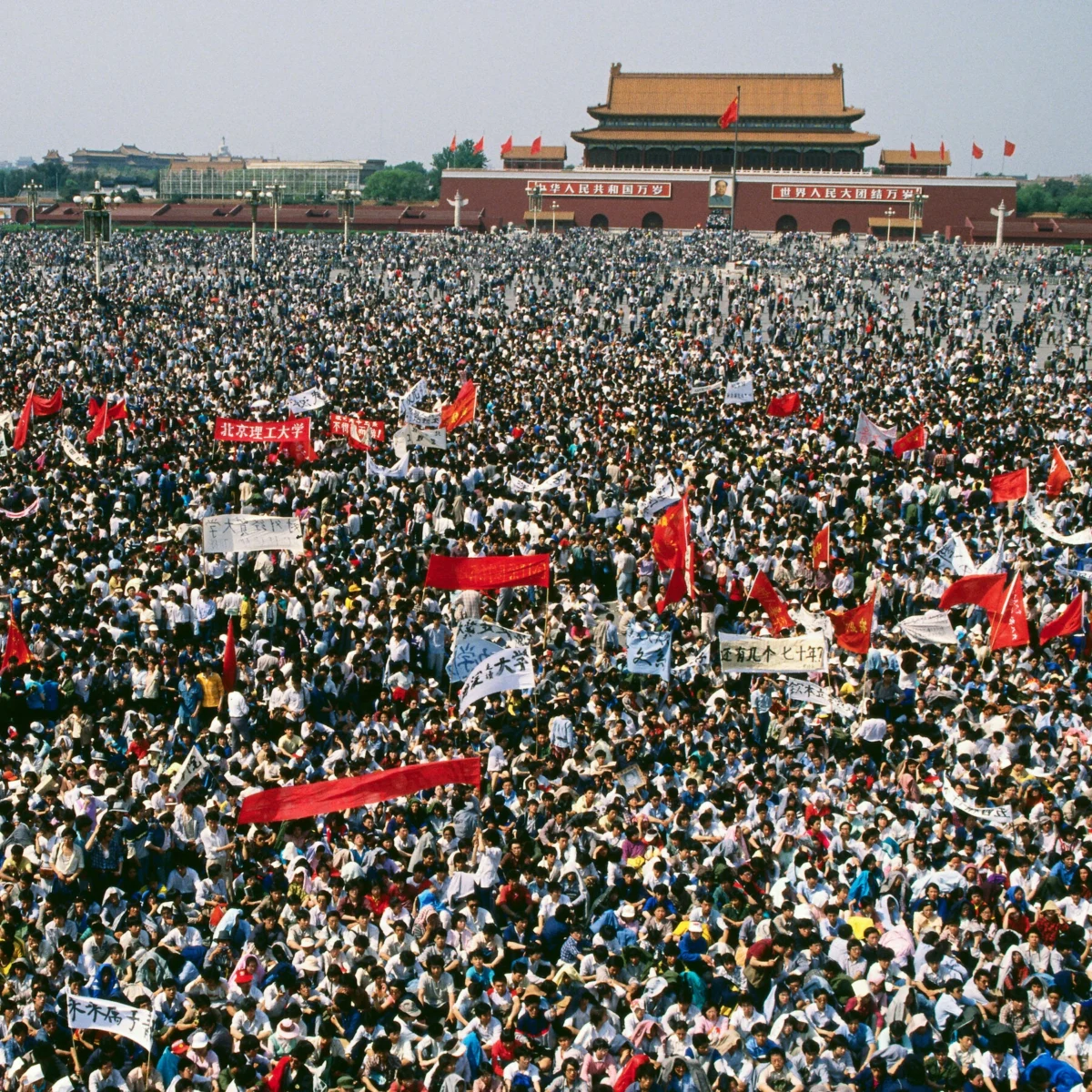
A New York Times opinion piece reflects on covering the Tiananmen Square events, describing how the experience shaped the writer’s understanding of true courage. The article, published as a personal memoir, revisits a pivotal moment in modern Chinese history through the lens of a foreign correspondent who was present.
The writer recounts being on the ground during the events surrounding Tiananmen Square and reflects on the moral weight of witnessing history unfold. The piece does not offer new documentation or data but instead offers retrospective reflection tied to previously reported coverage.
KEY FACTS
- A New York Times columnist covered the Tiananmen Square events firsthand.
- The events are described as a turning point in modern Chinese history.
- The writer says the experience taught them how to recognize true courage.
- The article is framed as a personal reflection on reporting from that time.
WHAT HAPPENED NEXT?
The columnist does not specify future plans but notes that the memory of the events continues to influence their journalistic perspective. Readers seeking additional context are directed to past reporting archives for corroborating details.
The article situates the 1989 events within broader geopolitical developments affecting China and global diplomacy. While no new claims are advanced, the personal account underscores how traumatic historical moments leave lasting professional and ethical impressions on those who report them.
The piece also touches on media responsibility when covering politically sensitive topics. By relying solely on recollection rather than newly uncovered evidence, the author avoids re-reporting contested facts and instead focuses on introspection about the role of journalism in documenting contentious episodes.
WHAT WE KNOW
Verified by the source:
- The article originates from NYT Top Stories.
- It is authored by someone who covered the Tiananmen Square events.
- It claims those events changed modern China.
Still unconfirmed:
- No named individuals or quoted officials are provided.
- Dates and locations beyond general references are not stated.
- No external corroboration cited within this summary.
WHY IT MATTERS
Personal reflections like this remind readers that major geopolitical moments carry deep individual consequences for those tasked with telling the story. Understanding how journalists process such experiences helps contextualize the long-term impact of conflict reporting on public discourse.
WHAT TO WATCH
Further commentary or archival releases may provide additional perspectives on the same period. For now, the focus remains on interpretive storytelling rather than breaking developments.
Related reading can be found in the war-geopolitics and politics sections.