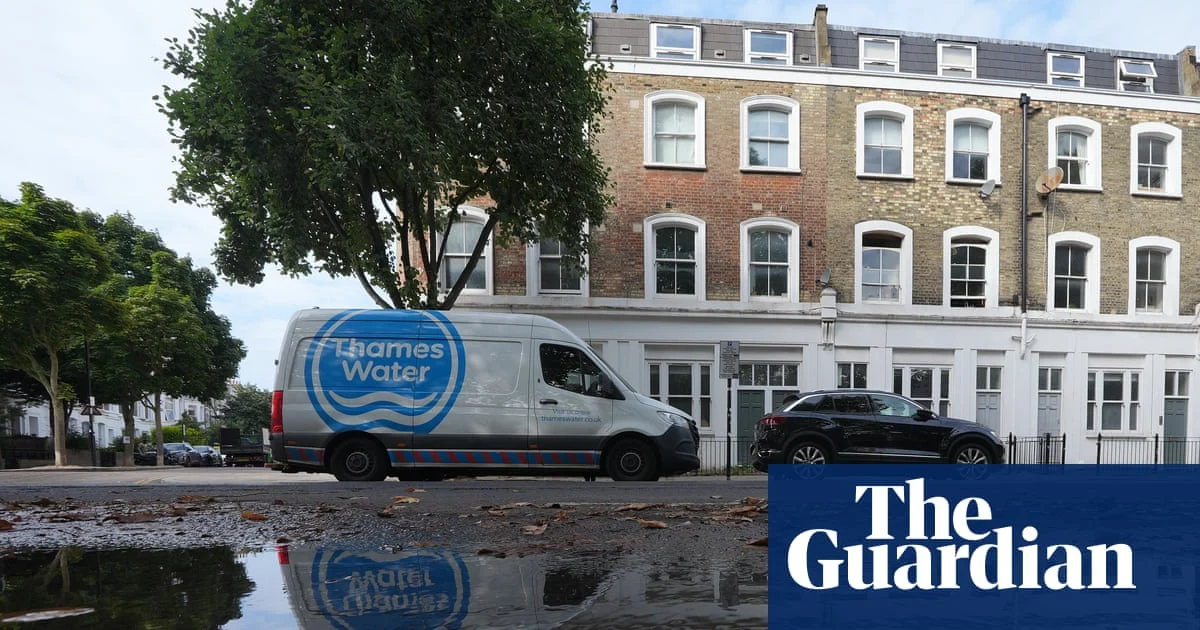
The UK government is preparing an unprecedented intervention in the setting of water bills, directing utility companies to reduce costs and address issues such as leaks and sewage overflows. Environment Secretary Angela Eagle has signaled she will step into the next price review, which is normally conducted independently by the water regulator Ofwat.
This move marks a notable shift in how water bills are determined, suggesting ministers intend to play a direct role in shaping pricing and investment priorities for water companies operating in England and Wales.
Key Facts
- UK government to make unprecedented intervention in setting of water bills.
- Ministers directing companies to bring down costs and stop leaks and sewage overflows.
- Angela Eagle told utility bosses the next price review must focus on value for money.
- Intervention targets the ongoing process run by the water regulator Ofwat.
- Companies affected operate in England and Wales.
How the Intervention Works
The next price review is conducted by Ofwat, the independent regulator for the water sector in England and Wales. These reviews typically determine how much water companies can charge customers over a set period, balancing affordability with the need for infrastructure investment.
By stepping into this process, the government is signaling its concern over rising bills and ongoing environmental failures. Ministers appear to want companies to prioritize customer value, reduce unnecessary spending, and accelerate efforts to fix aging pipes and treatment systems.
Water companies have faced mounting pressure over repeated incidents of sewage overflows and criticism over executive payouts during periods of high consumer costs. A government-led intervention could reshape the regulatory landscape and alter long-standing norms of independent oversight.
Who Is Affected and What Changes Next
The intervention applies to water and sewerage companies operating in England and Wales, which serve millions of households and businesses. These include some of the largest firms in the sector, many of which have struggled with debt and reputational damage in recent years.
While no formal decisions have yet been announced, ministers have indicated they will direct how the price review proceeds. This could lead to stricter caps on pricing, revised investment expectations, and new performance standards tied to executive compensation.
Ofwat is still expected to oversee the technical aspects of the review, but the government’s involvement raises questions about potential conflicts with the regulator’s independence. Consumer groups are likely to push for protections to ensure affordability does not come at the expense of environmental cleanup or long-term infrastructure needs.
What We Know & What We Don’t
Verified by the source:
- The UK government plans to intervene in the next water bill price review.
- Angela Eagle communicated this plan to utility bosses.
- Focus of the review should be value for money and cost reductions.
- Companies are being told to stop leaks and sewage overflows.
- The price review is normally handled by the regulator Ofwat.
Still unconfirmed:
- Exact timeline or process for the government’s intervention.
- Specific measures proposed beyond cost reduction and investment.
- Whether new legislation or policy documents will be published.
- How Ofwat will respond to the government’s involvement.
- Whether affected companies support or oppose the intervention.
Why It Matters
Higher water bills and persistent environmental failures have eroded public trust in privatized utilities. This intervention reflects growing political pressure to align pricing with performance and ensure providers meet basic service standards while keeping costs fair for households already facing financial strain across other essentials.
What To Watch
All eyes will turn to any formal announcements from the government or updates from Ofwat clarifying the scope and legality of the planned intervention. Details are expected soon, with stakeholders awaiting clarity on how investment targets and pricing caps will be set. Follow our economy and markets coverage for ongoing updates on this developing story.