Lede
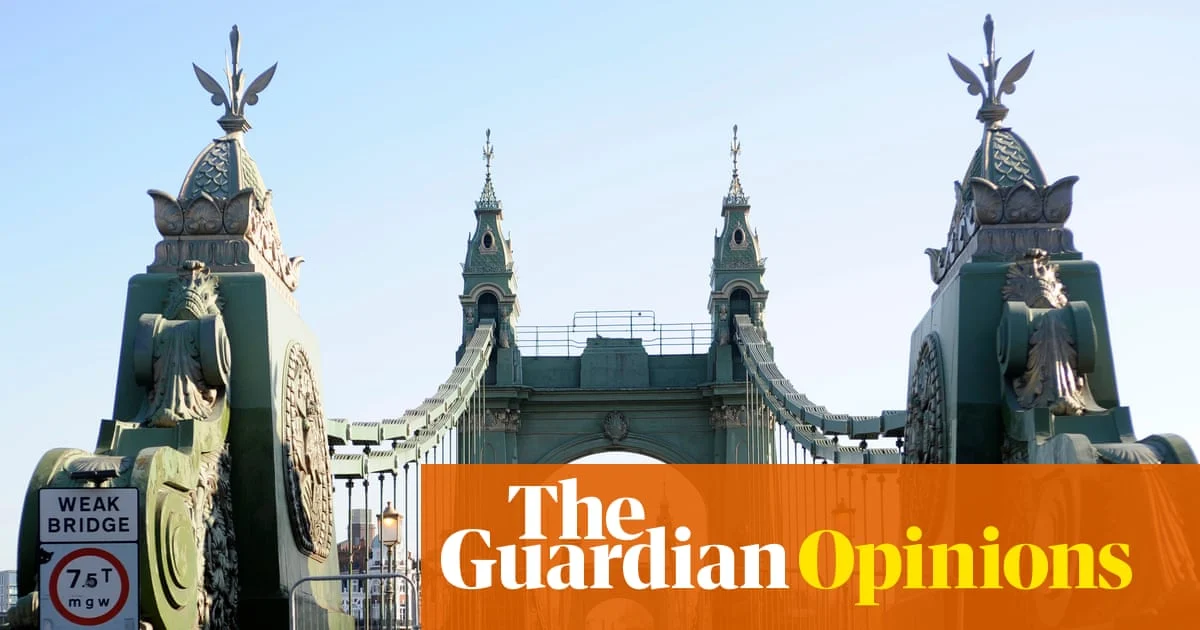
Since its closure to motor traffic seven years ago, Hammersmith Bridge has become a symbol of broader infrastructure and governance challenges across the UK. The Grade II*-listed bridge, spanning the River Thames in west London, has remained largely inactive, reflecting systemic issues in public administration and transport planning.
As one of London’s key crossings, its prolonged downtime has disrupted traffic patterns, forcing thousands of vehicles onto alternative routes and contributing to worsening congestion in surrounding areas. This situation reflects deeper structural problems affecting not just transport but housing targets, healthcare wait times, and urban planning decisions across the capital.
Key Facts
- Hammersmith Bridge has been closed to motor vehicles for seven years.
- Albert Bridge is also currently closed, increasing pressure on nearby routes.
- Roadworks and aging infrastructure are causing delays across London.
- Kensington’s housing target rose from 1,381 to 5,107 homes per year.
- The bridge is described as a metaphor for government dysfunction.
The Story
What Happens Next?
The ongoing closure of Hammersmith Bridge continues to impact daily commutes in west London. With both Hammersmith and Albert Bridges inaccessible to vehicles, an estimated 37,000 additional cars daily seek alternative routes through south London, leading to persistent gridlock.
Transport for London (TfL) has previously cited structural safety concerns and funding shortfalls as reasons for the extended repair timeline. However, progress has stalled amid bureaucratic delays and shifting priorities within Whitehall departments.
How Did We Get Here?
The roots of the current crisis trace back to 2014 when engineers first identified critical defects in the bridge’s cast-iron casing. Subsequent inspections revealed significant deterioration requiring major reconstruction work.
Despite repeated promises from local councils and national agencies, funding allocation has been inconsistent. While central government funds exist, coordination between boroughs and TfL remains fragmented, delaying implementation of viable solutions.
Broader policy paralysis mirrors this pattern—uncertainty around projects like HS2 and Heathrow expansion further illustrates how strategic decisions get bogged down by interdepartmental disagreements and shifting political agendas.
What We Know — and What We Don’t
Verified by the source:
- Hammersmith Bridge remains closed to motor vehicles after seven years.
- Albert Bridge is also currently closed to traffic.
- Extra vehicle use due to bridge closures affects south London roads.
- Government housing targets increased significantly in Kensington.
Still unconfirmed:
- Exact cause of the delay in reopening Hammersmith Bridge.
- Specific budget allocated towards bridge repairs or infrastructure upgrades.
- Timeline for resolution of the gridlock caused by the closures.
- Naming of specific officials involved in decision-making processes.
Why It Matters
These recurring failures reflect a wider erosion of confidence in public services and planning efficiency. For residents and businesses relying on predictable access to central London, uncertainty translates into lost productivity and rising costs—echoing concerns far beyond the Thames.
What To Watch
Stakeholders are awaiting updated guidance from TfL regarding future phases of the bridge restoration project. Broader reforms aimed at streamlining infrastructure delivery will likely face increased scrutiny if delays persist.